Building a Participatory Museum
Jewish Museum of Maryland
Jewish Museum of Maryland
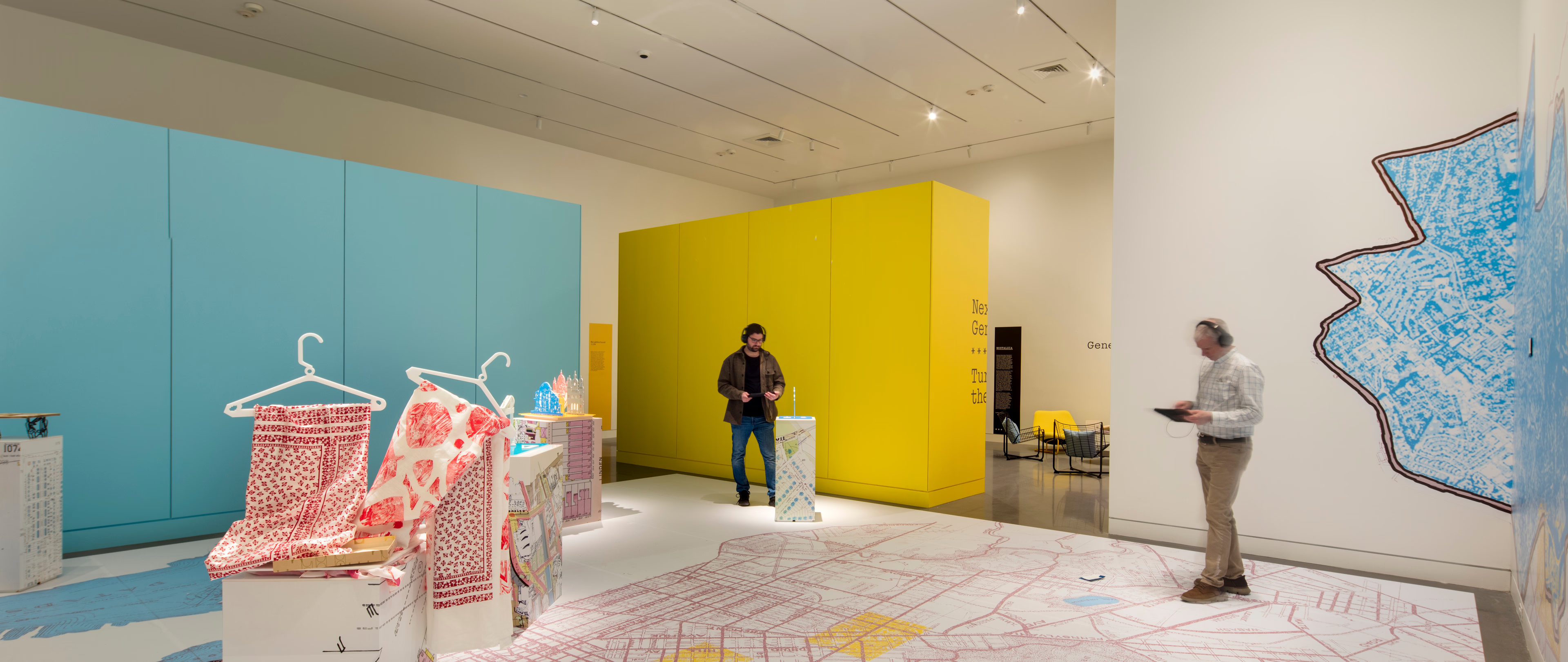
The Jewish Museum of Maryland’s leadership had a bold vision: to recast their institution as a place of co-creation, where visitors could explore digital content, contribute to the narrative, or further their own creative projects. To support this ambition, we transformed the 8,200-sf museum’s front-of-house into a series of flexible and adaptable spaces that dissolve traditional boundaries between exhibition, interpretation, and participation.
By modernizing the museum’s public spaces while honoring its existing character, our design helps the museum welcome a new generation of visitors and deepen its connection to the community it serves. Our design was honored with AIA Baltimore’s inaugural Bicycle Award, which recognizes a project that “showcases that impactful design is not directly proportional to project budget.”

We have redesigned the museum’s architecture and updated its technologies to support a practice that prioritizes collaboration with community onsite and online.
History & Context
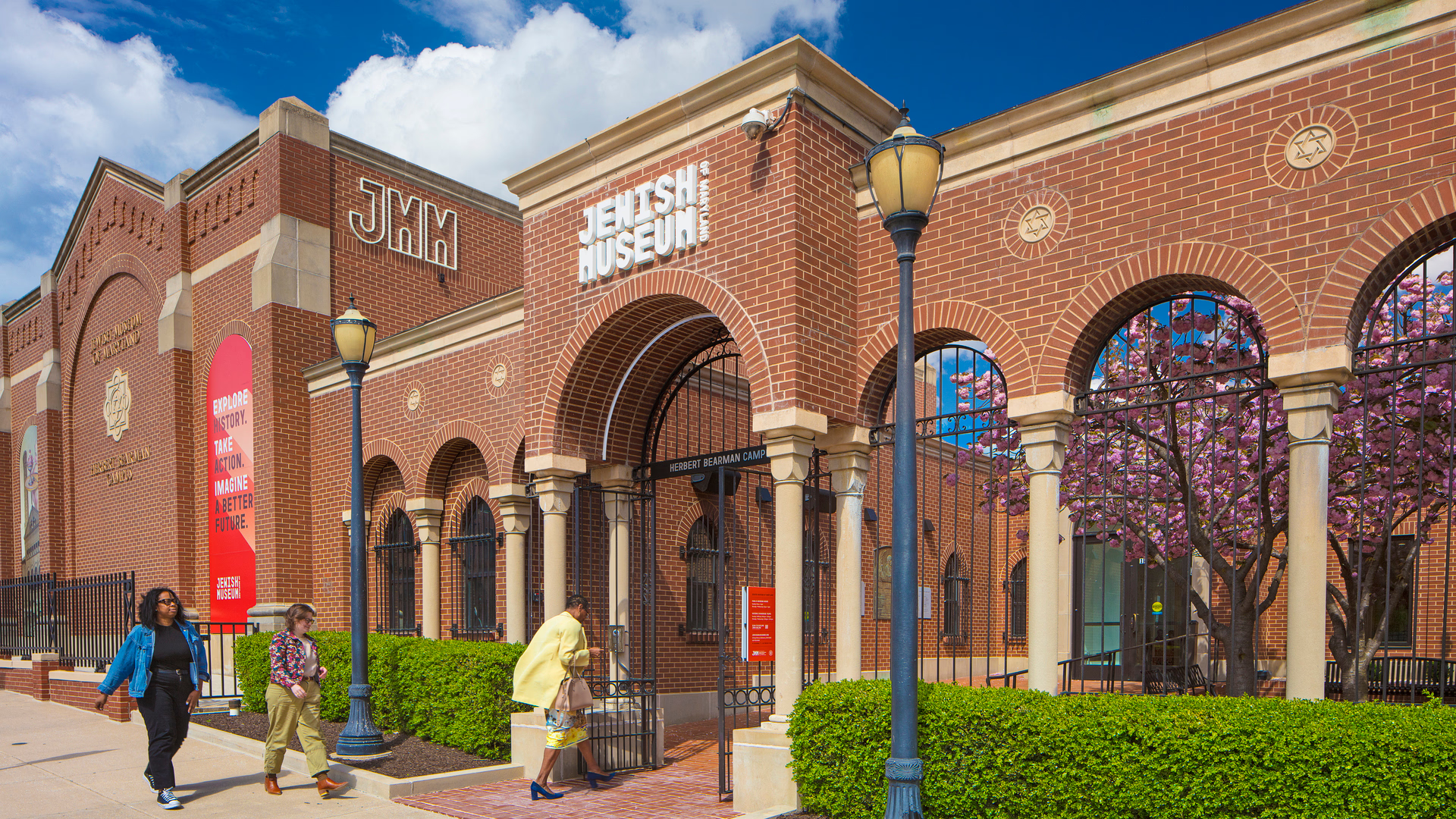
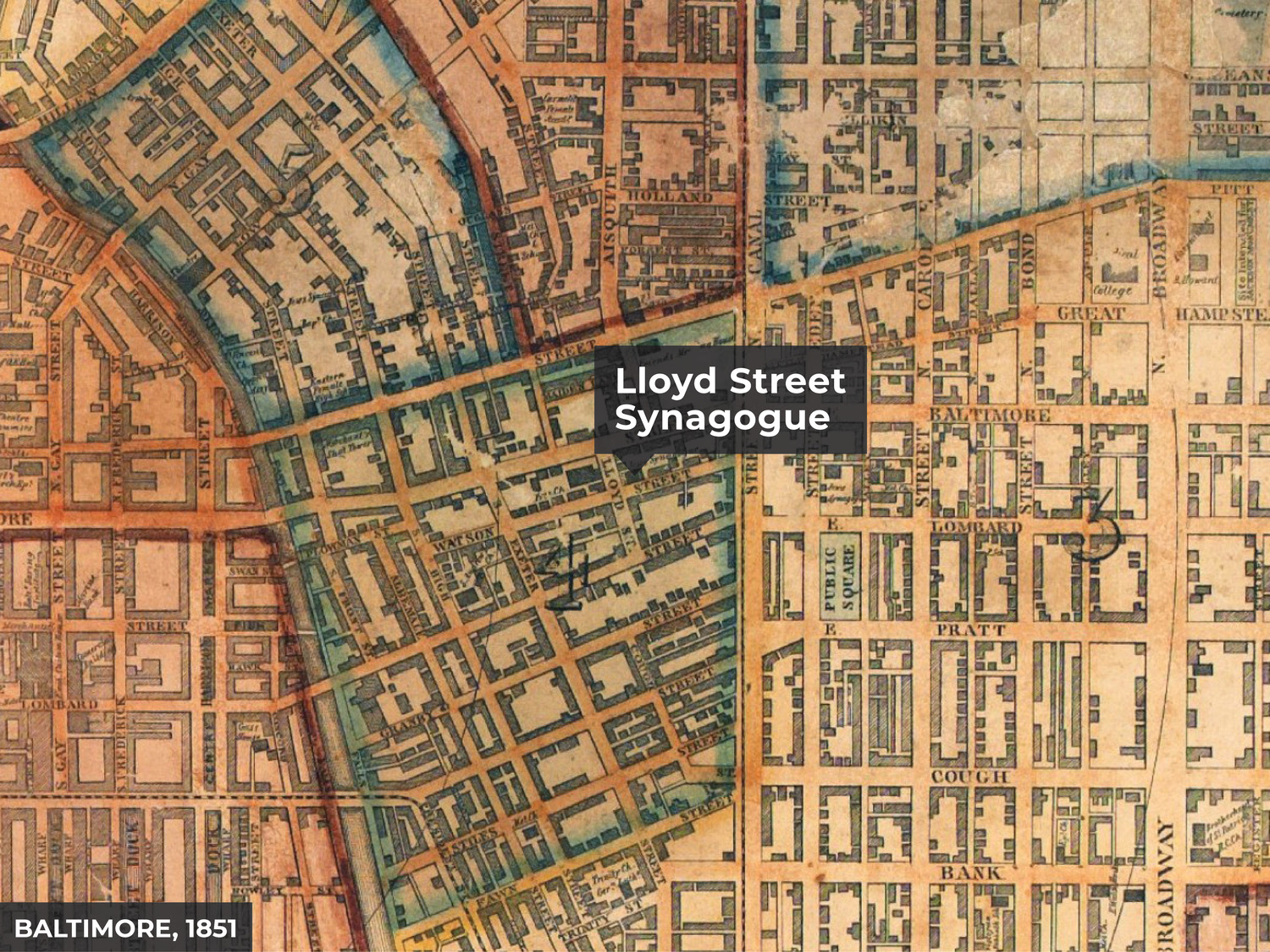
The museum is located in Baltimore’s Jonestown neighborhood, a hub for Jewish immigrants to the city in the 19th and early 20th centuries. The museum building opened in 1985. It’s flanked by the historic B’nai Israel Synagogue (1876), and across the street is Maryland’s oldest synagogue, the Lloyd Street Synagogue (1845)—both of which the museum preserves and interprets through guided tours.
Entry Experience
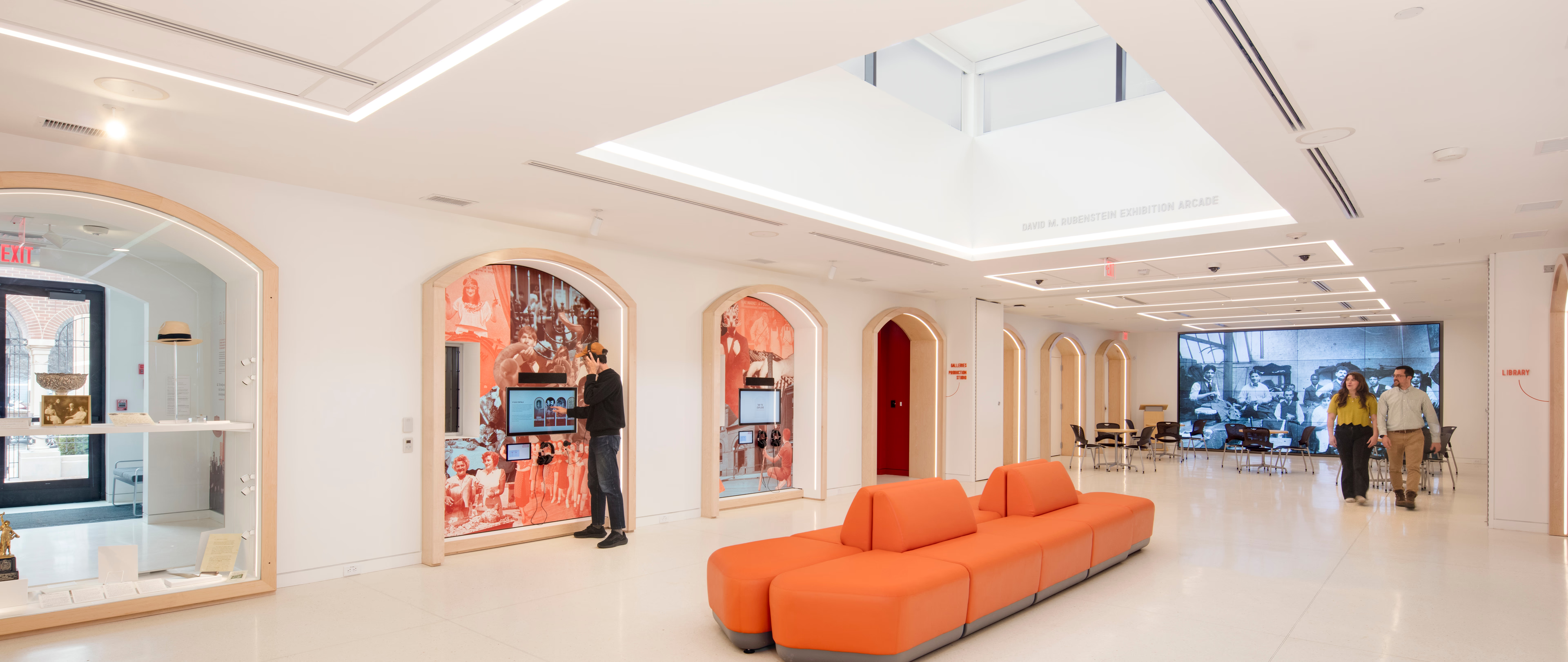
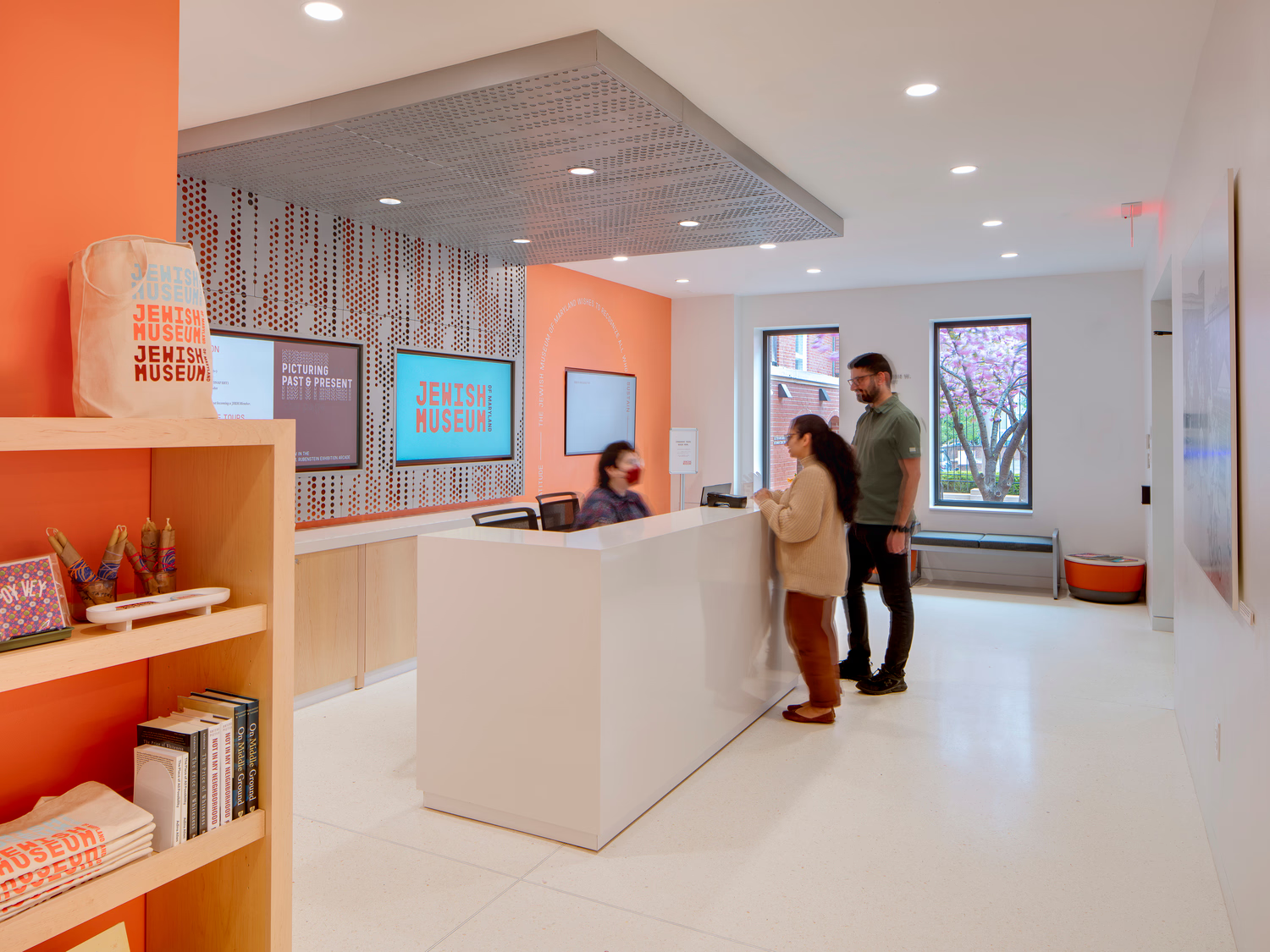
To remove bottlenecks and maximize the arcade program space, we reconfigured the entry experience. Instead of entering directly into the arcade, visitors are now diverted through a lobby and ticketing area. A floor-to-ceiling vitrine in the entry vestibule builds anticipation by previewing the activity, artifacts, and digital experiences in the arcade.
Arcade
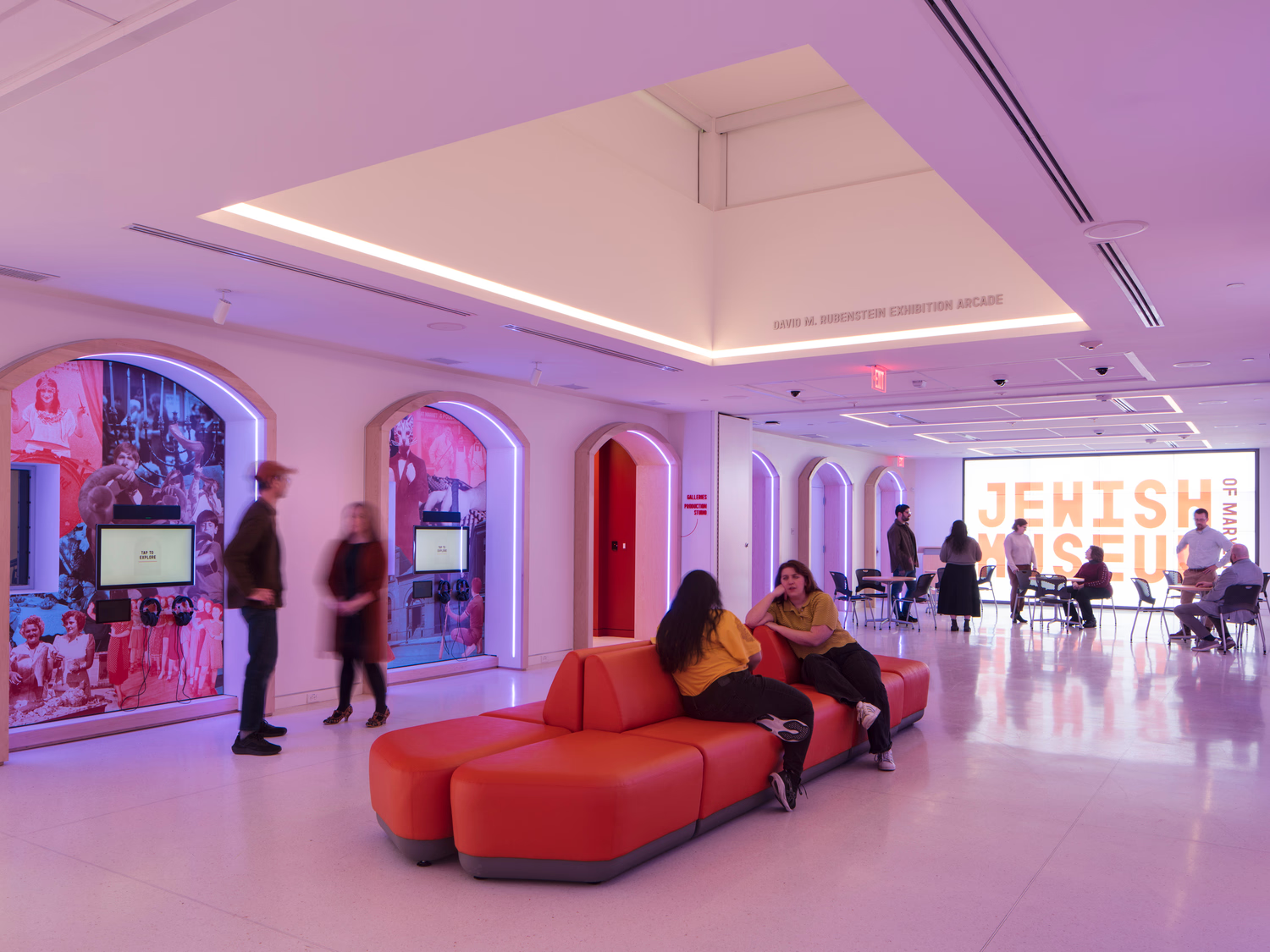
Beyond serving as a circulation space, the atrium has been reimagined as the museum’s cross-programmed, technology-rich heart. Simultaneously supporting public programs, artifact displays, and interactive digital content, the arcade reimagines existing arched openings as portals that can contain doorways, graphics, artifacts, or interactive media.
Production Studio
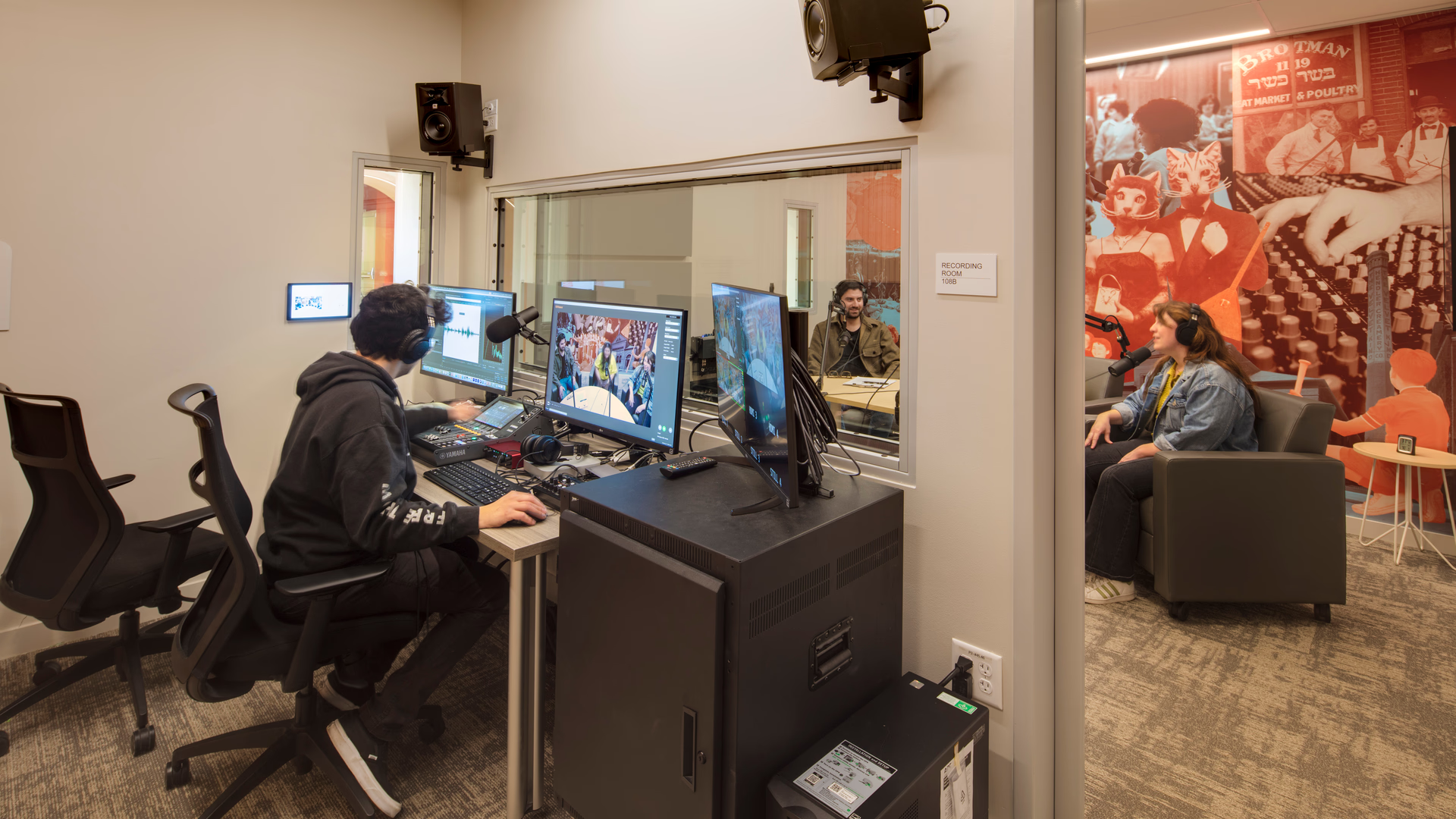
An early and influential design idea came from the museum’s executive director, who suggested that the square footage previously devoted to the gift shop should be put toward a multimedia production studio where visitors can become creators—capturing oral histories for the museum’s collection or working on personal projects. Windows to the arcade put this creative work on display.
Multimedia Gallery
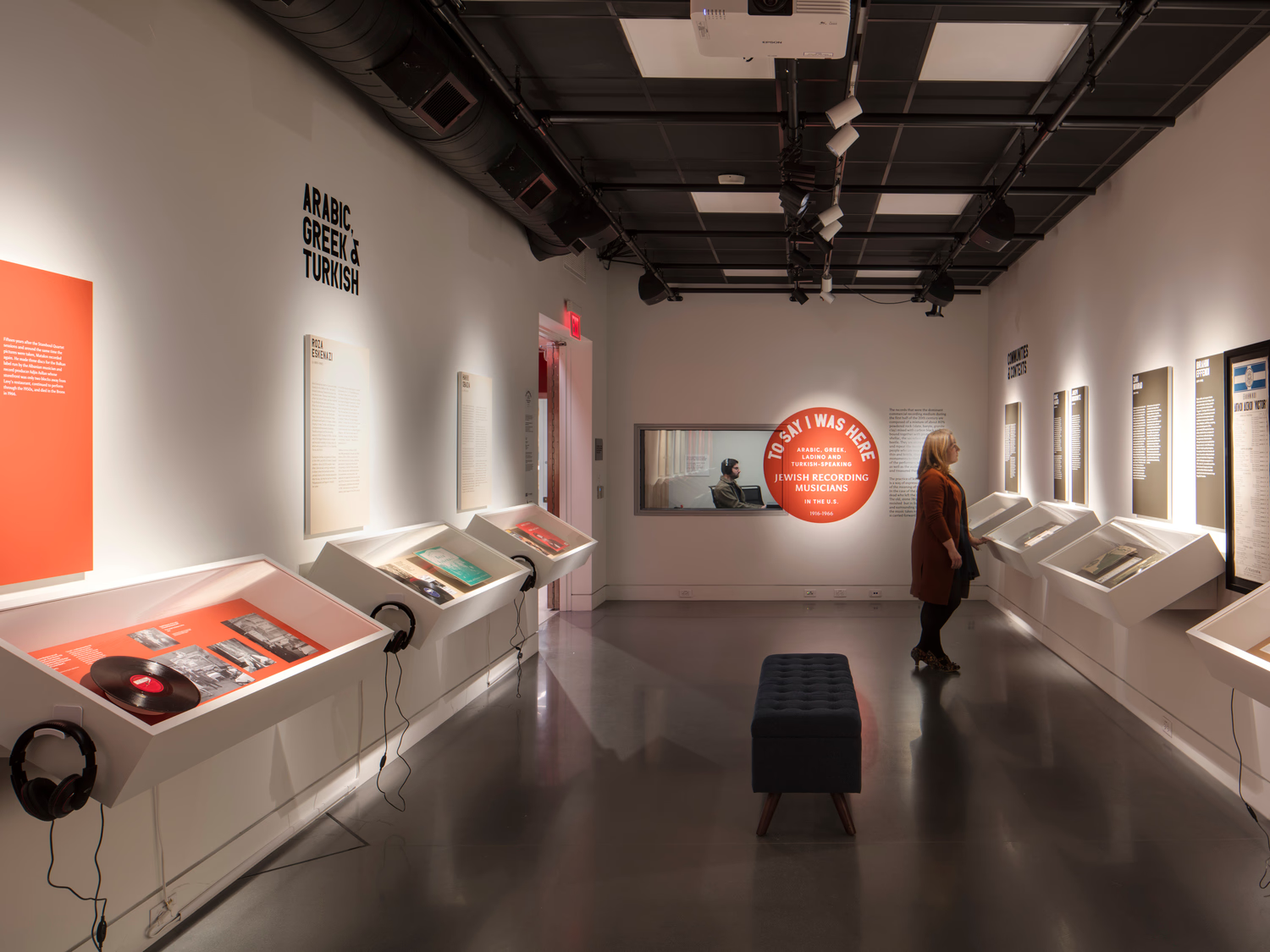
Collaborative ideation with the museum’s director inspired the multimedia gallery adjacent to the production studio. Blending aspects of a traditional museum gallery with a black-box theater, the experimental space features integrated A/V equipment and gridded lighting that allow it to serve as an exhibit space, a small theater, or a platform for digital performances orchestrated from the production studio.