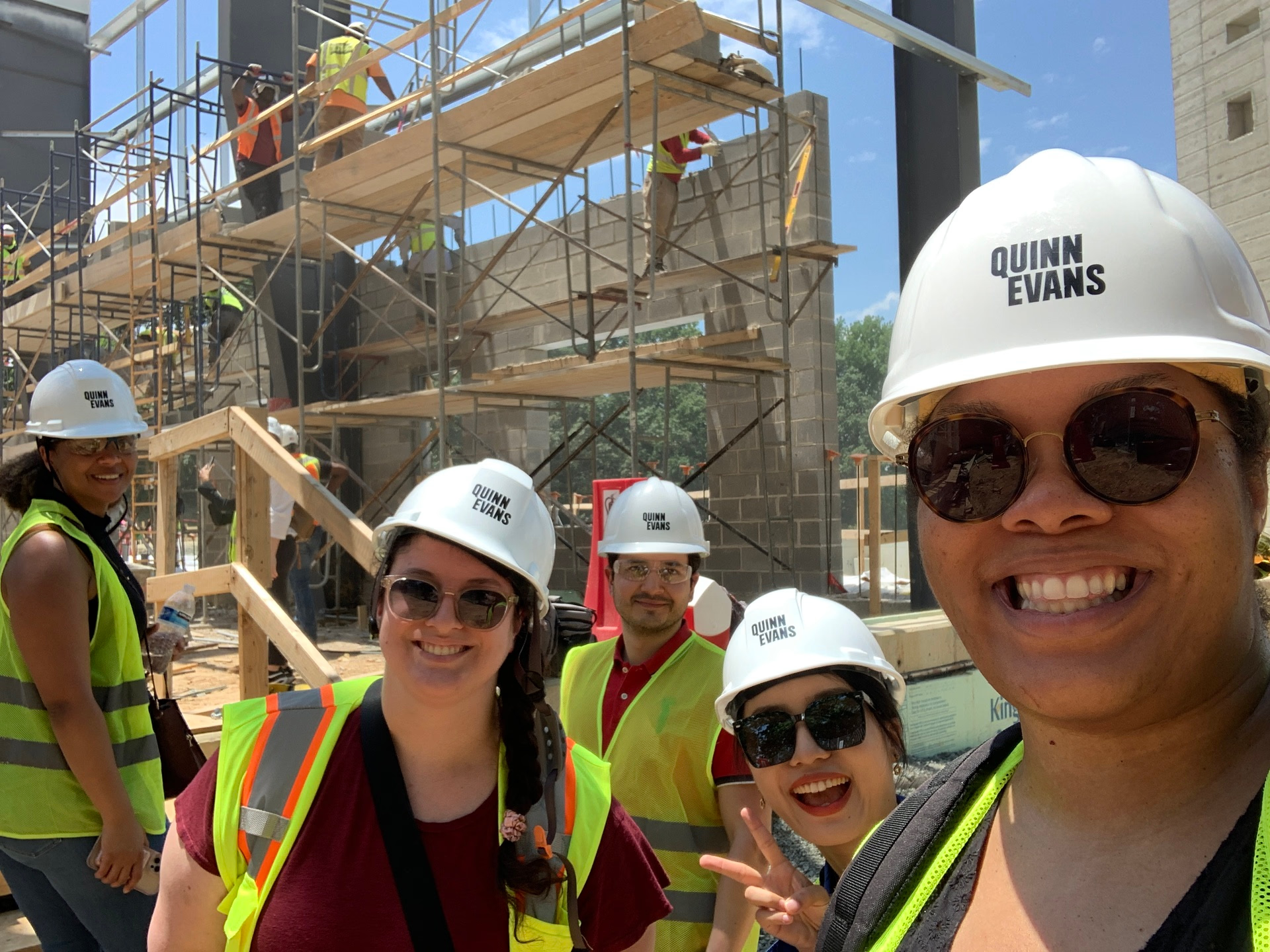
Securing an internship is a critical step for architecture students to gain hands-on experience and kickstart their careers. While the process can feel overwhelming, breaking it down into manageable steps can make it more approachable. Here are some tips to guide you through the internship application process, from networking to interviews and beyond.
Do Your Research
The most fulfilling internships are the ones that align with your interests and values, so take the time to find firms that feel like a good fit.
Make use of your network when searching for internships! Networking doesn’t have to be at formal happy hours etc., volunteering and participating in committees is a great way to start building your network. Be sure to use the opportunities that your university provides, engaging with professors and alumni to learn about firms that might be right for you.
Make full use of your university’s career fair, where possible. It can be difficult to step away from your studio work to prepare your materials but don’t forget what the ultimate goal of your education is – to be an architect, which usually means finding a job at an architecture firm.
Another good reason to do research is so you can be specific in your application about why you want to work at a particular firm. Is it their commitment to sustainable practice, or the types of projects they work on? An internship can be a springboard to a full-time job, so firms want to know that you’re excited about their work.
Applying to Firms
Be sure you understand how to apply to your chosen firms; some have set application windows and require online submissions through a hiring platform, while others may rely more on email or even mailed portfolios. Tailoring your application to each firm shows dedication and attention to detail, both of which will set you apart. If you have a connection at a firm you’re applying to, it always helps to have a current employee help highlight your application.
Make note of application windows, which are sometimes available on a firm’s website. If not, ask for the timeline when you submit your application, so you know when to follow up. Be aware that architects are often the ones reviewing candidates, and it can take time for them to get through the applications on top of project work; sometimes the process takes a while.
Application Materials
Take advantage of your university’s portfolio review! If your university doesn’t offer one, consider setting one up with your classmates. Start with the 30 second review of the portfolio; what first impressions do you get?
If you can, highlight projects that align with the work that you want to and the firm’s work. Make sure you do a final quality check before you submit—spelling and grammar matter!
Include a cover letter, let the firm know why you’re applying to work there. (Use the research you’ve already done on the firm.) Share any information that may set you apart from other candidates. Where possible, reference your relevant experience in the specific field you’re interested in. This can include studio projects, volunteer work, or competition submissions in addition to past work experience.
Feel free to include your resume in your portfolio, but it’s often helpful to include a separate copy as well for quick reference.
Make sure your documents are easy to review. When you save files to submit, be sure to make sure your PDFs have saved the way you want them to be viewed; you may consider exporting two-page spreads as a single page, to ensure they’re viewed together. Be sure to include your name in the file names so that they’re easy to find and keep track of.
Compress your portfolio; keep it to 10-15mb where possible, especially if you’re emailing it directly—some firms’ email clients limit attachment sizes. When submitting a larger file via email, follow up with a separate email to confirm that the documents have been received.
Interviews
Interviews are a two-way street. Not only are firms evaluating you, but you should also be evaluating them. Be sure to interview the interviewer; prepare thoughtful questions about the firm’s culture, and how they support the professional development of their interns and employees. Some good questions to ask might be:
- What kind of mentorship or training programs do you offer for interns?
- How does the firm handle professional development for junior staff?
- Can you describe the firm’s culture, particularly in terms of work-life balance and collaboration?
Firms often pay close attention to the questions you ask, as they reflect your interest and insight. Don’t forget, politeness and persistence go a long way. If you haven’t heard back after an interview, it’s okay to follow up, especially if you’ve received an offer from another firm. Keep them updated about your timeline—it shows professionalism and respect for their time.
Typical Timeline
Timing can play a significant role in the application process. Like many firms, Quinn Evans typically offers summer internships running from mid-May to mid-August. The ideal time to apply is early in the year, as we begin reviewing applications in February to align with university career fairs.
This means that by February, you should have your portfolio, resume, cover letter, and other application materials polished and ready to go. Starting early ensures you’re well prepared, as many firms make their selections in late winter or early spring. It also gives you time to reach out to professors, mentors, or career services for feedback on your application materials.
Accepting or Rejecting Offers
The internship application process can sometimes leave you with multiple offers, or the need to make a decision on an offer from one firm before another has finished reviewing your application. Here are some tips for handling those situations with professionalism and leave the door open for future opportunities.
If you accept another offer. If you receive an offer from a firm and decide to accept it while another firm is still reviewing your application, it’s important to notify the other firm promptly. A short, polite email will do. Express your gratitude for their consideration and let them know that you have accepted another offer. This helps them understand your situation and ensures there are no hard feelings. Here's an example:
“Thank you so much for considering my application. I wanted to let you know that I have accepted an offer with another firm. However, I’ve been very impressed with your work and hope we can keep in touch for future opportunities. I truly appreciate the time and effort you’ve invested in reviewing my application.”
If you decide not to take an offer. If you receive an offer but decide it’s not the right fit, it's crucial to respond with professionalism. Turn down the offer graciously, expressing appreciation for the opportunity and leaving the door open for potential future collaboration. For example:
“Thank you very much for offering me a position at your firm. After careful consideration, I have decided to pursue another opportunity that aligns more closely with my current goals. However, I have great respect for the work you do, and I would love to stay in touch for future collaborations.”
By handling these conversations with respect, you’ll leave a positive impression, making it easier to reconnect in the future if another opportunity arises.
Bonus Tip: Start Saving Early!
Once you get that first full-time position, be sure to start saving for retirement from the jump. Participate in your company’s 401(k) plan, or consider opening an individual Roth IRA if your firm doesn’t offer retirement benefits. Through the magic of compound interest, even small contributions add up over time. Like planting a tree, the best time to start investing is 20 years ago, but the second-best time is now!
TO LEARN MORE ABOUT INTERNSHIPS AT QUINN EVANS, CLICK HERE.
.avif)