The students we surveyed for our study on school belonging identified a range of design features that promote feelings of connection. These five things would cost schools little or nothing to implement.
At a time when adolescents are feeling acutely disconnected from others, schools should support belonging. Because research shows that places contribute to our identities and environmental cues can communicate that a space is or is not for certain people, design must be part of the conversation. However, architects have lacked guidance for how to design schools that promote belonging.
Our team of interdisciplinary researchers designed a study to directly understand from teens the relationship between their school’s built environment and their feelings of belonging. 585 current and former high school students responded, describing how various spaces in their school make them feel and suggesting features that would support connection.
The US Government Accountability Office estimates that more than half of schools are due for major renovations or replacement. We hope school districts will incorporate our research into the design guidelines that shape the next generation of educational facilities. In the meantime, many of the strategies our high-school-age survey respondents identified as promoting belonging don’t require a capital project—just some flexibility and resourcefulness.
Read on for five low- or no-cost school features that support belonging.

1. Color and Decoration
The [class]room just felt devoid of personality, character, or novelty, which made it feel very cold.
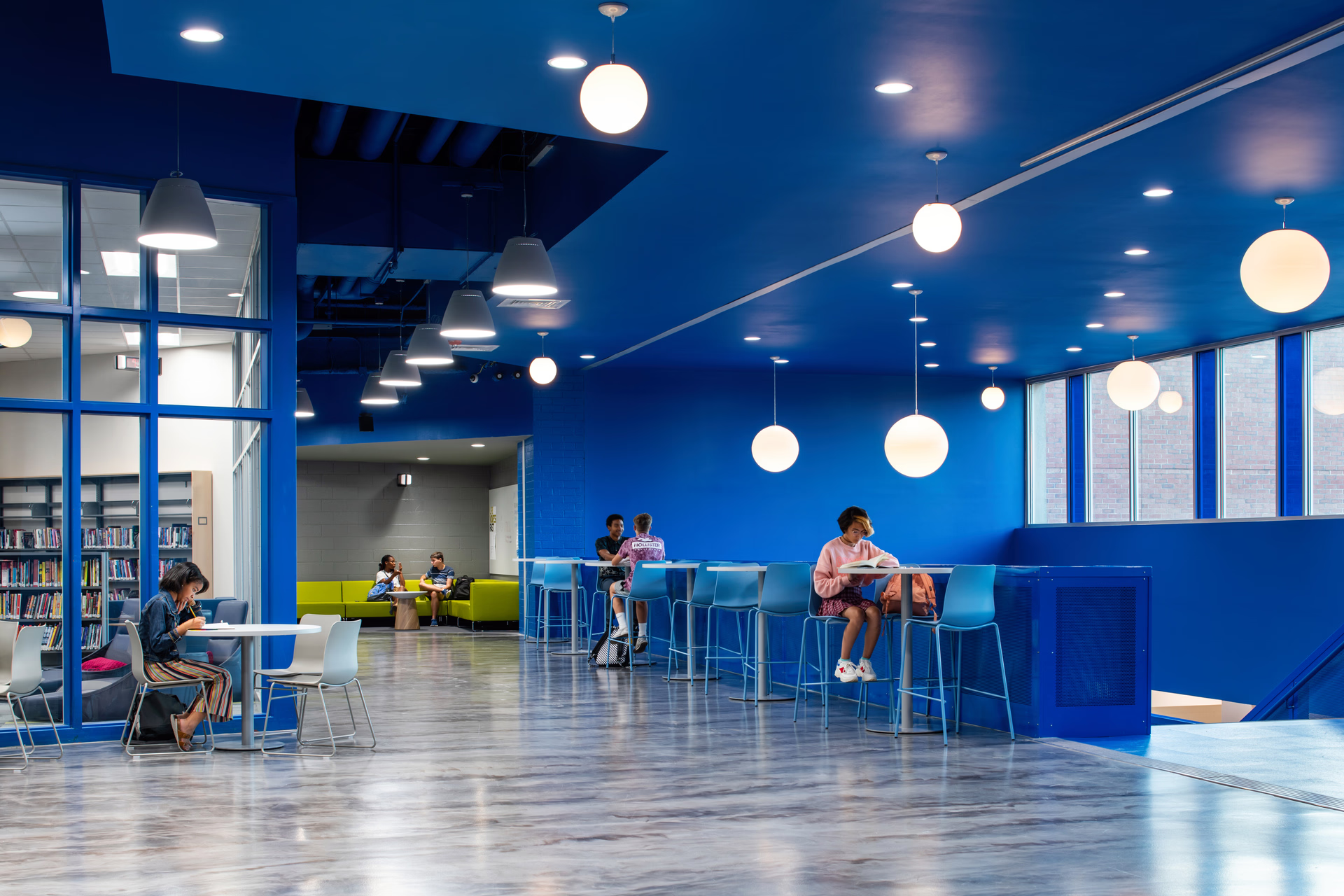
Respondents reported that aesthetics played an important part in their feelings of belonging at school. They disliked design that felt overly institutional, describing unpleasant artificial lighting, the use of materials like concrete, and a lack of color and decoration as being “brutal,” “menacing,” or “cold.” Thirty respondents directly compared the design of their school to that of a prison.
Another pattern that emerged was a favorite teacher’s classroom as a site where students hung out and felt comfortable. Many teachers mentioned by respondents had taken steps to make their rooms welcoming, such as “comfortable furniture and dim lighting.”
Although there was some disagreement about the ideal color palette, respondents generally agreed that the use of color, decoration, warm lighting, and soft furnishings made the indoor environment more comfortable and enjoyable for students. Adding wall color and encouraging teachers to personalize their classrooms would be quick and easy ways for schools to support belonging.

2. Quiet Spaces
I would especially have study/relaxation areas in quiet/secluded spots aside from the main library.
Many of the spaces students identified as unwelcoming or uncomfortable were places within the school that induced a feeling of stress or overwhelm—often associated with a confluence of overcrowding, too much noise, and lack of privacy. For example, students reported feeling that hallways “get super crowded, and it feels chaotic with everyone rushing;” can be “a literal NIGHTMARE to navigate;” and were “tight and loud and crowded and overwhelming.”
In contrast to spaces of stress and overwhelm, quiet places like the library, study rooms, and seating nooks offered students the opportunity for calm. Respondents reiterated the importance of quiet spaces when asked about their ideal school building, requesting “quiet study rooms/individual calm spaces” and “quiet spaces for students who can get over-stimulated.”
While many students cited the library as a calming retreat, others noted it as a place for “chatt[ing] with friends,” aligning with the trend of libraries becoming more active spaces. Unfortunately, many existing schools were not designed with quiet places besides the library. Schools with active libraries could create quiet spaces by designating quiet hours in selected classrooms during underutilized periods.

3. Lounges, Nooks, and Seating
I would make more space specifically for hanging out and sitting.
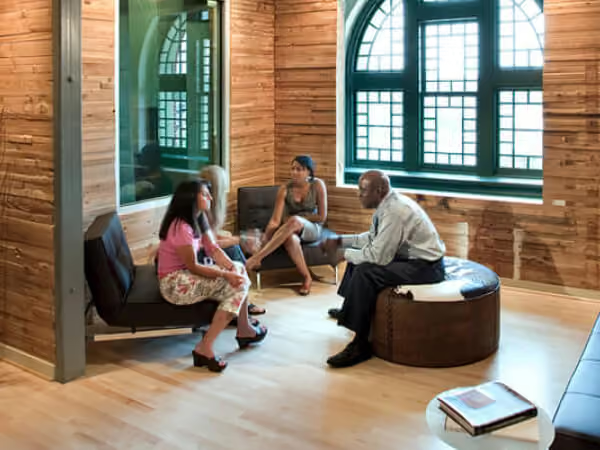
A common desire among respondents was for places to spend unstructured time, whether in spaces specifically designed for student use like student commons and libraries or in smaller spaces like nooks off hallways. Having a choice of spaces with different qualities (acoustics, size, level of activity) was particularly important. Student commons, where available, were valued as “great spaces for students to [hang] out and make new friends.”
In particular, respondents expressed a desire for more seating—or, in many cases, any non-classroom seating at all. For example, students wanted “chairs at the ends of hallways to give the students a place to sit in between class times and before school” and “more pure hangout spots like lounges with comfy furniture like bean bags.” The discussion of seating was very prevalent: 37% of participants mentioned seating in at least one of their responses.
Similar to quiet spaces, schools designed without a student lounge could pilot one in an underutilized space. They could also explore adding small seating areas in common spaces or at the ends of hallways.
.avif)
4. Cafeteria Alternatives
I avoided [the cafeteria] like the plague all 4 years. It was…too small and too loud and smelled gross and in no way represented the peaceful lunch I needed.
With its noise, crowding, and social pressures, the school cafeteria was identified by 95 respondents as a site of discomfort—a finding that mirrors previous research. Many students preferred to have lunch in outdoor eating spaces or the classrooms of their favorite teachers, and requested “diverse seating options that don't limit students to just eat in the cafeteria.”
This desire to escape from overwhelming environments within the school supports previous research showing that stress negatively impacts student engagement. Schools can help by allowing students to access and eat in spaces other than the cafeteria.
5. Outdoor Spaces
My favorite spot is the courtyard. It's got trees, some shade, and places to sit with friends… I like it there because it feels laid-back and open.
For students who had access, outdoor areas and green spaces were frequently mentioned as places of belonging (103 respondents), or as places that respondents liked. Some schools also had courtyards or gardens where students could spend time or that provided nice views from interior spaces. Students mentioned the positive impact of these spaces on their mental health, including that being in the sun and outside the building was “good for my mind” or noting that the lack of green space “hurt a lot of kids’ mental health.”
Importantly, the quality of these spaces mattered. Features such as seating, protection from the elements (sun shades and wind shields), and plantings made these spaces attractive to students. Spaces that were “just concrete” or lacked “areas that felt comfortable to sit at” and “shady spots” were seen as less desirable. While the green schoolyards movement has focused primarily on elementary schools, our study shows that there is a significant interest among high school students for outdoor spaces that support both relaxation and social interaction.
Many schools have opportunities to better utilize existing outdoor spaces. Lawns or pavement areas could be transformed into occupiable spaces simply by adding seating and patio umbrellas.

Just Ask
In addition to our design-related findings, a major takeaway from our study is that engaging students in conversations about school design is both feasible and valuable. Participants provided clear, thoughtful reflections on how the physical environment of their schools shaped their experiences, as well as actionable suggestions for better design.
Schools interested in supporting belonging through design can build upon our findings by surveying their own students regarding how various areas of the school make them feel and asking how they could be improved. Engaging students in the design of their school is a valuable opportunity to create spaces where students feel like they belong.