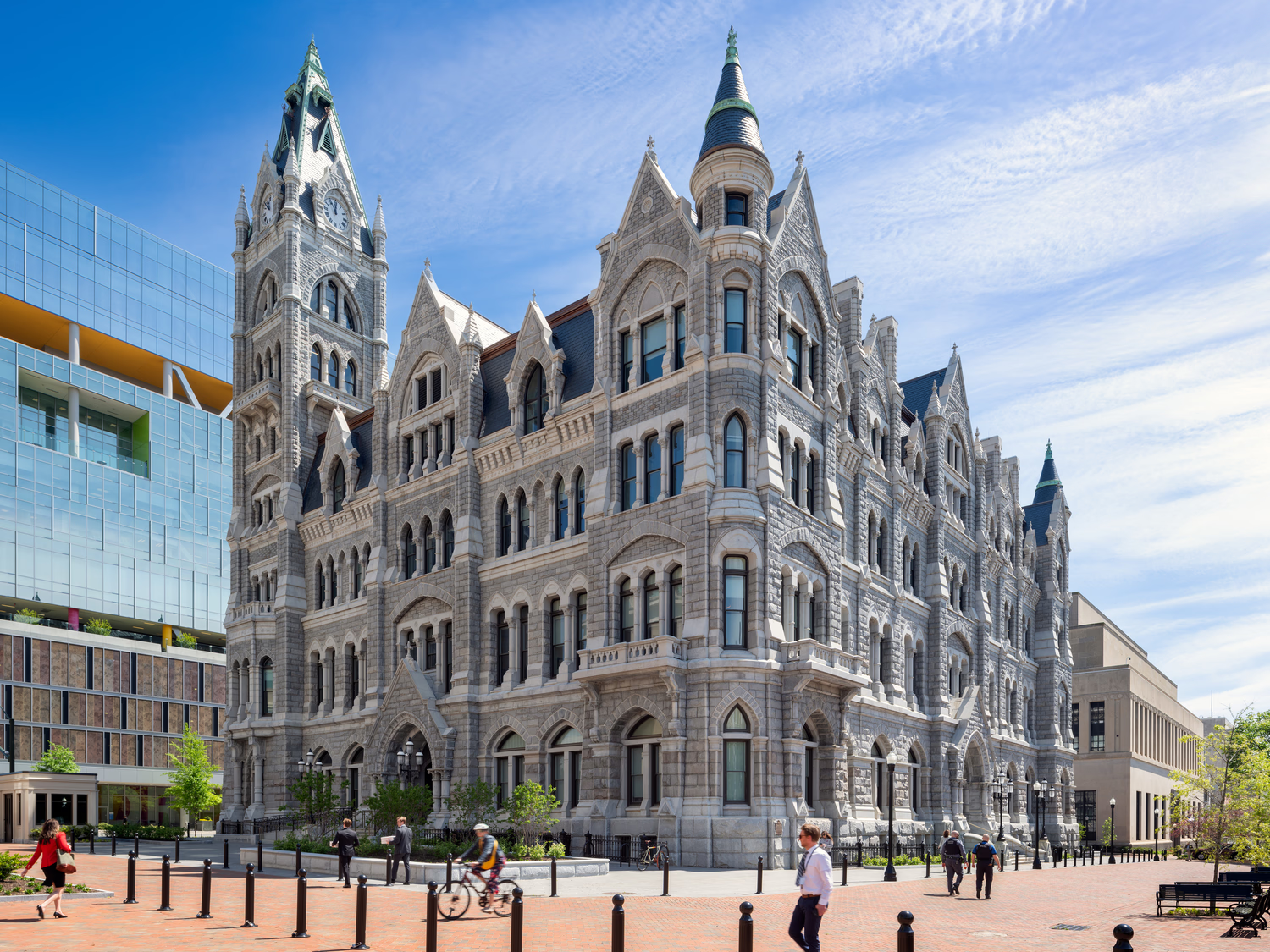
In an era dominated by digital experiences, hands-on learning is making a comeback.
Once associated primarily with career and technical education (CTE) programs, experiential learning is now extending into virtually every type of learning environment. From middle schools to museums, clients are asking us to incorporate spaces for hands-on engagement.
Underlying this trend, we see a deeper cultural shift. After years of growing digital dependence—accelerated by the isolation of the covid-19 pandemic—people of all ages are seeking tangible experiences, opportunities for connection, and a sense of belonging. At the same time, the labor market is changing; a growing number of high-demand careers require specialized technical skills that can be acquired through trade schools, apprenticeships, and certification programs rather than four-year degrees.
The result is an explosion of learning spaces, both formal and informal, for gaining knowledge and putting it into practice—and connecting with others along the way.
Spaces for Learning and Doing
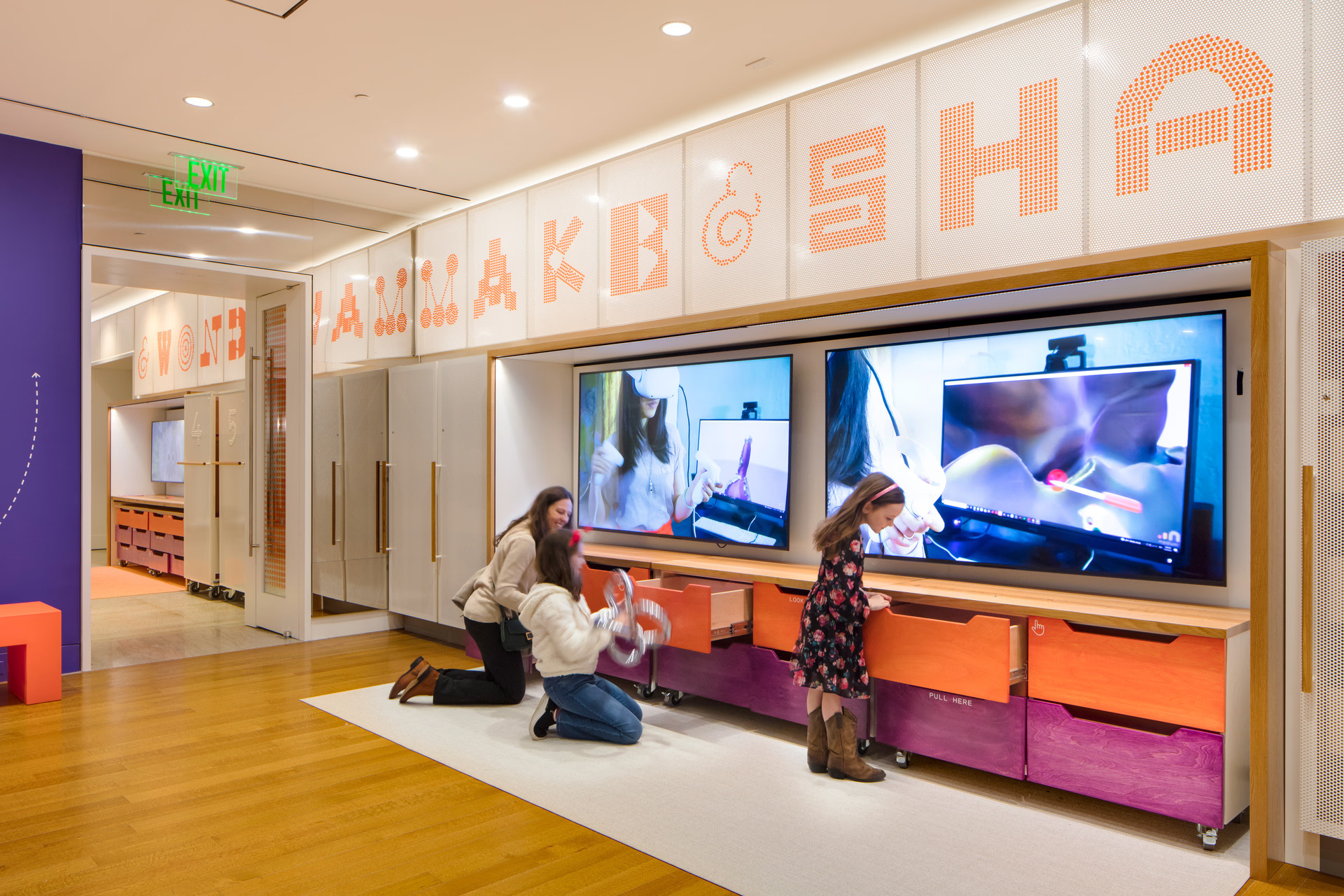
The following are examples of hands-on learning spaces we’re integrating across a variety of building types.
ART-MAKING AND MOVEMENT SPACES
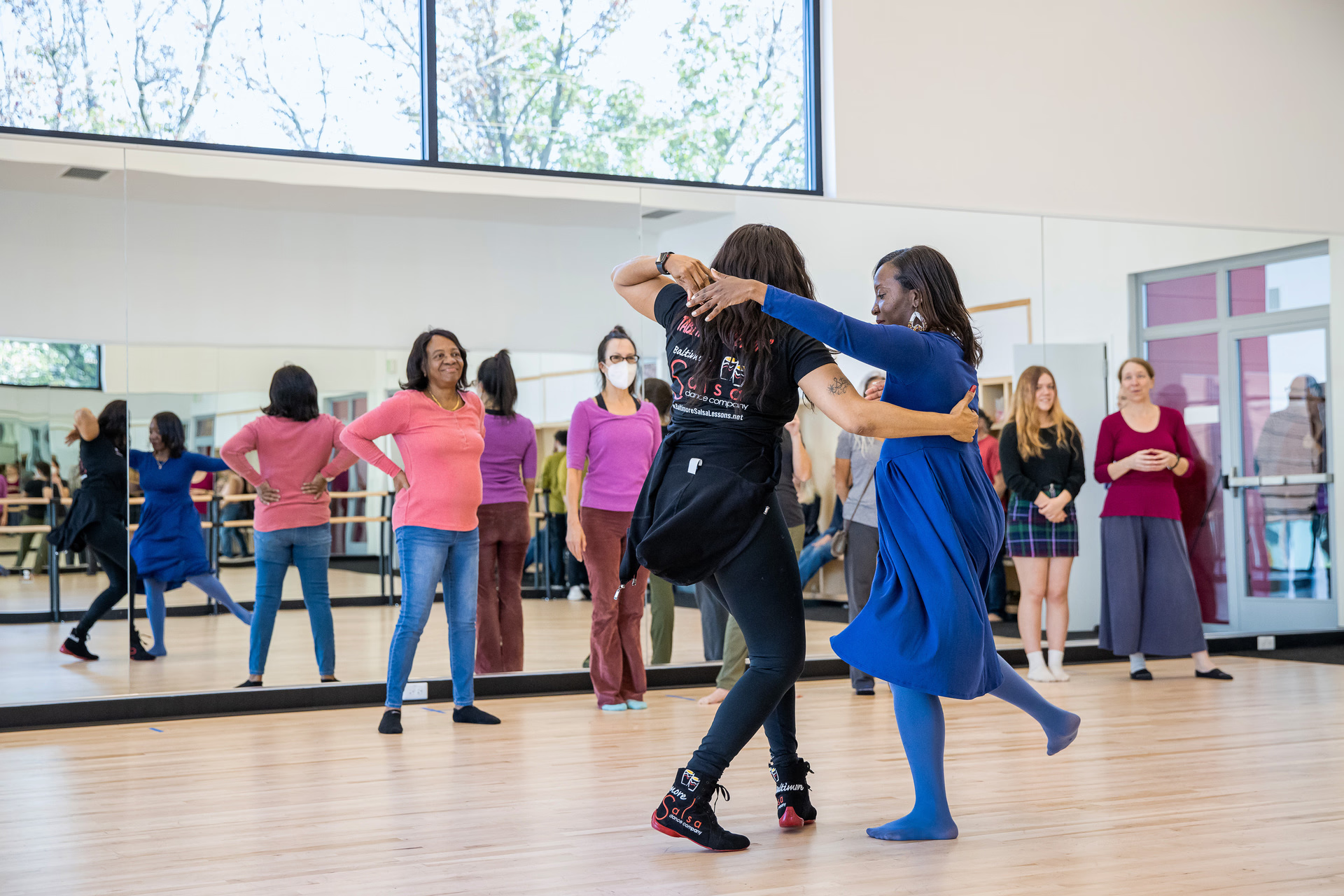
Art classrooms and dance studios have long been places for creative exploration in schools and community centers. Today we’re seeing them become a key programmatic element in museums, libraries, and performance venues—places that used to be focused on viewing but are now placing more emphasis on interaction and participation. Durable and easy-to-clean finishes are crucial for these hardworking spaces, as are flexible furniture and ample storage.
DIGITAL MEDIA LABS
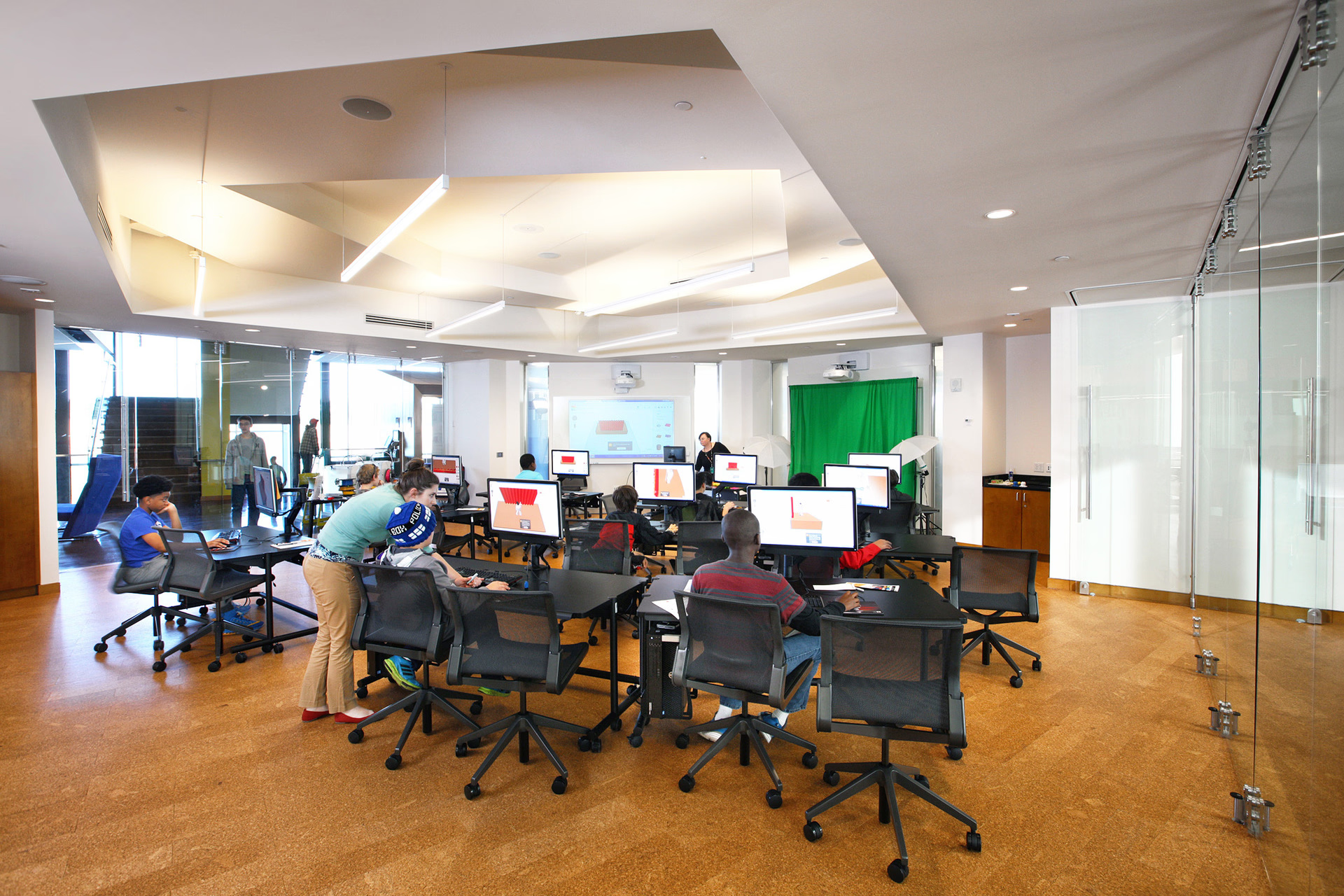
Digital media labs give learners direct experience with software used in creative and professional industries, including graphic design and 3D modeling programs. They often provide equipment for photography, videography, and 3D printing as well. Our three libraries for Henrico County Public Library—Fairfield Library, Libbie Mill Library, and Varina Library—all include a digital media lab; recent classes in these spaces have included introductions to Adobe Photoshop, using green screens, and digitizing media.
PRODUCTION STUDIOS
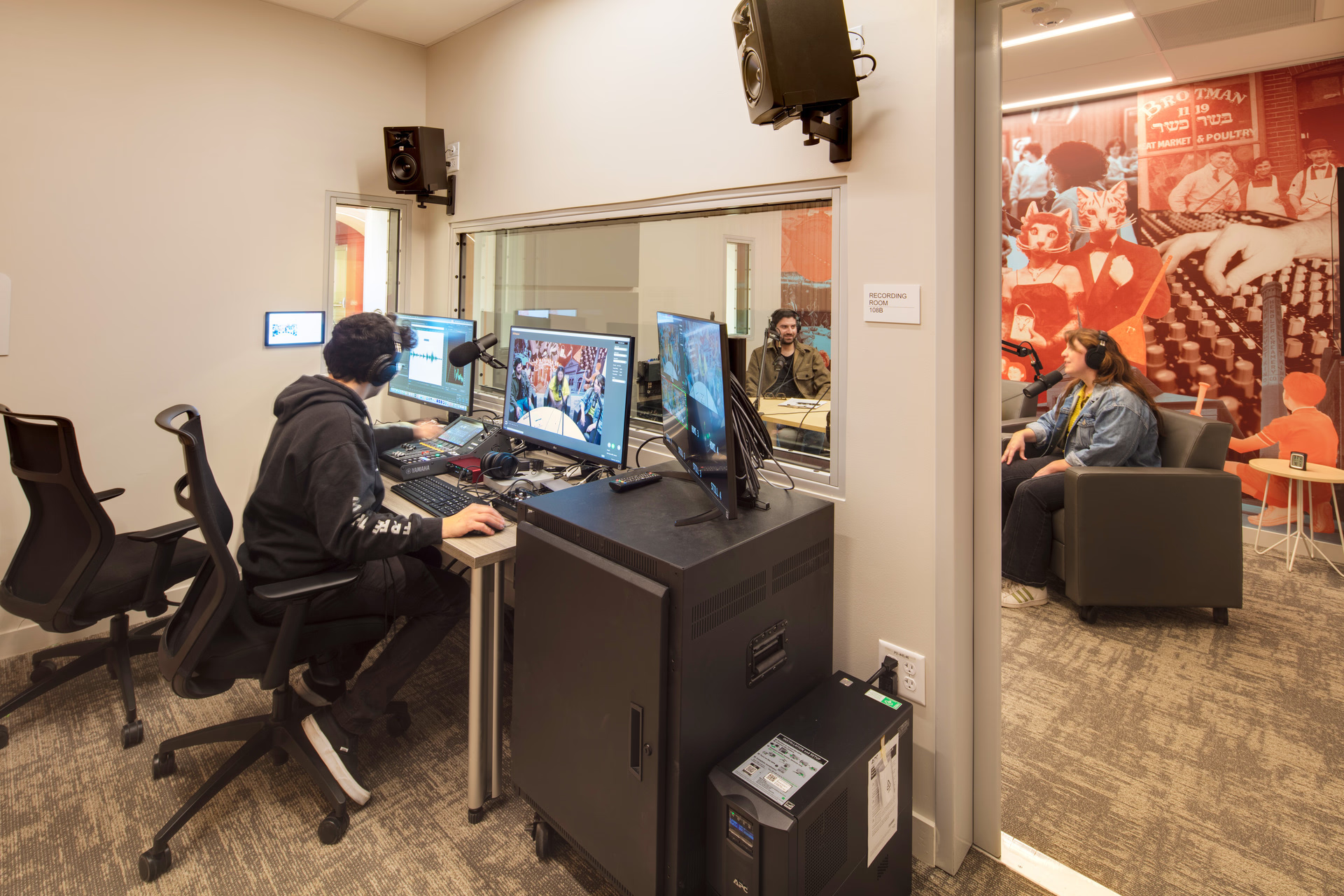
Production studios provide immersive, hands-on opportunities to learn modern media production skills. Whether a dedicated studio or a specialized area within a digital media lab, these spaces enable learners to gain experience with podcast recording, videography, photography, lighting, audio editing, and basic filmmaking techniques. By producing real content, learners develop technical expertise, storytelling abilities, and communication skills that are increasingly valuable in today’s digital environment.
MAKERSPACES
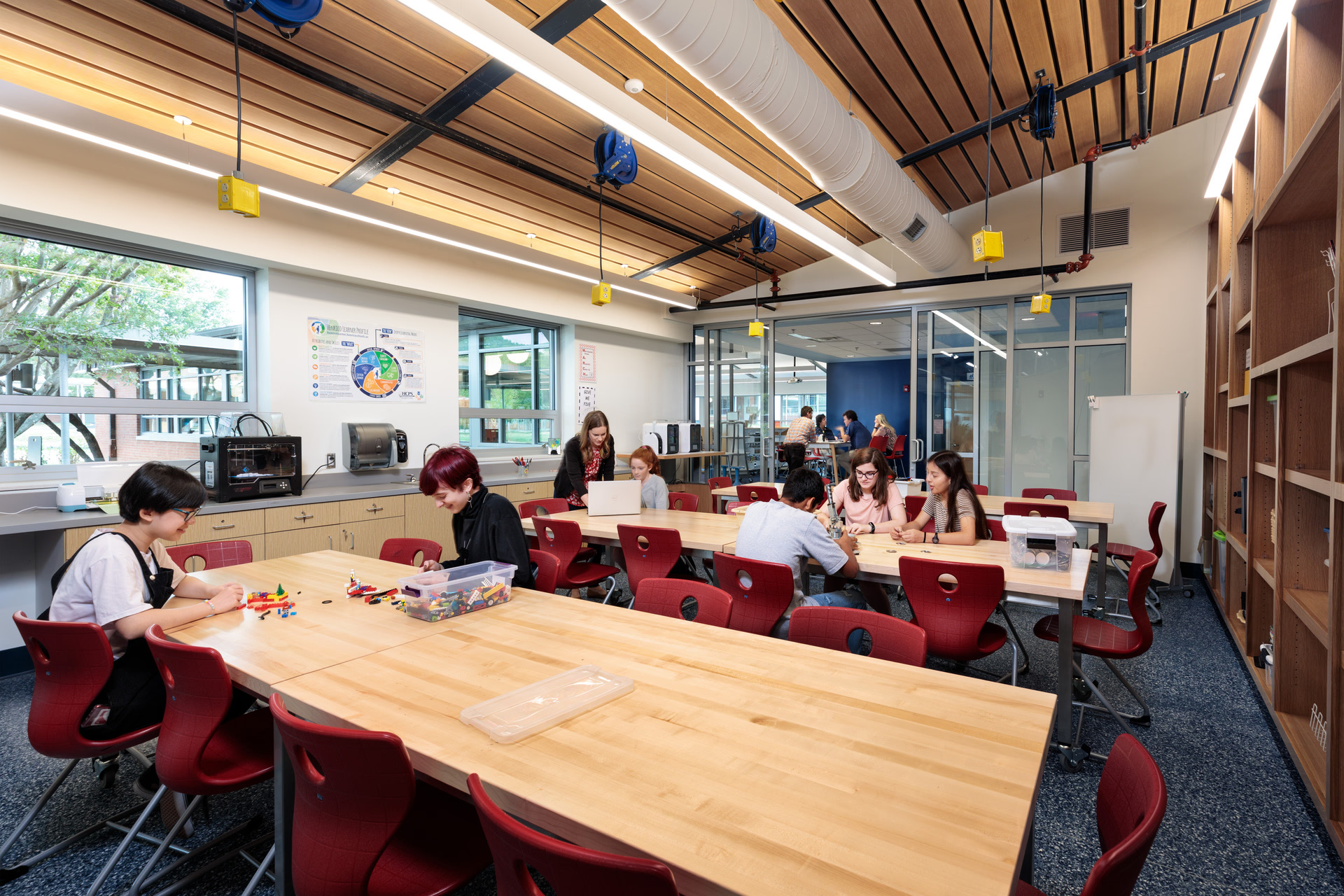
Makerspaces provide materials, tools, and equipment to design, prototype, test, and refine creations. In schools, these spaces encourage the development of critical thinking, problem solving, and creativity, while larger community makerspaces like Open Works act as incubators for small businesses. Libraries are now offering these spaces as well; our design for the Essex Library includes a tool lending library where staff will conduct workshops on do-it-yourself household projects. For maximum flexibility, we incorporate distributed power in the floor or ceiling, ambient and task lighting, resilient materials, and plenty of storage.
PITCH PLATFORMS
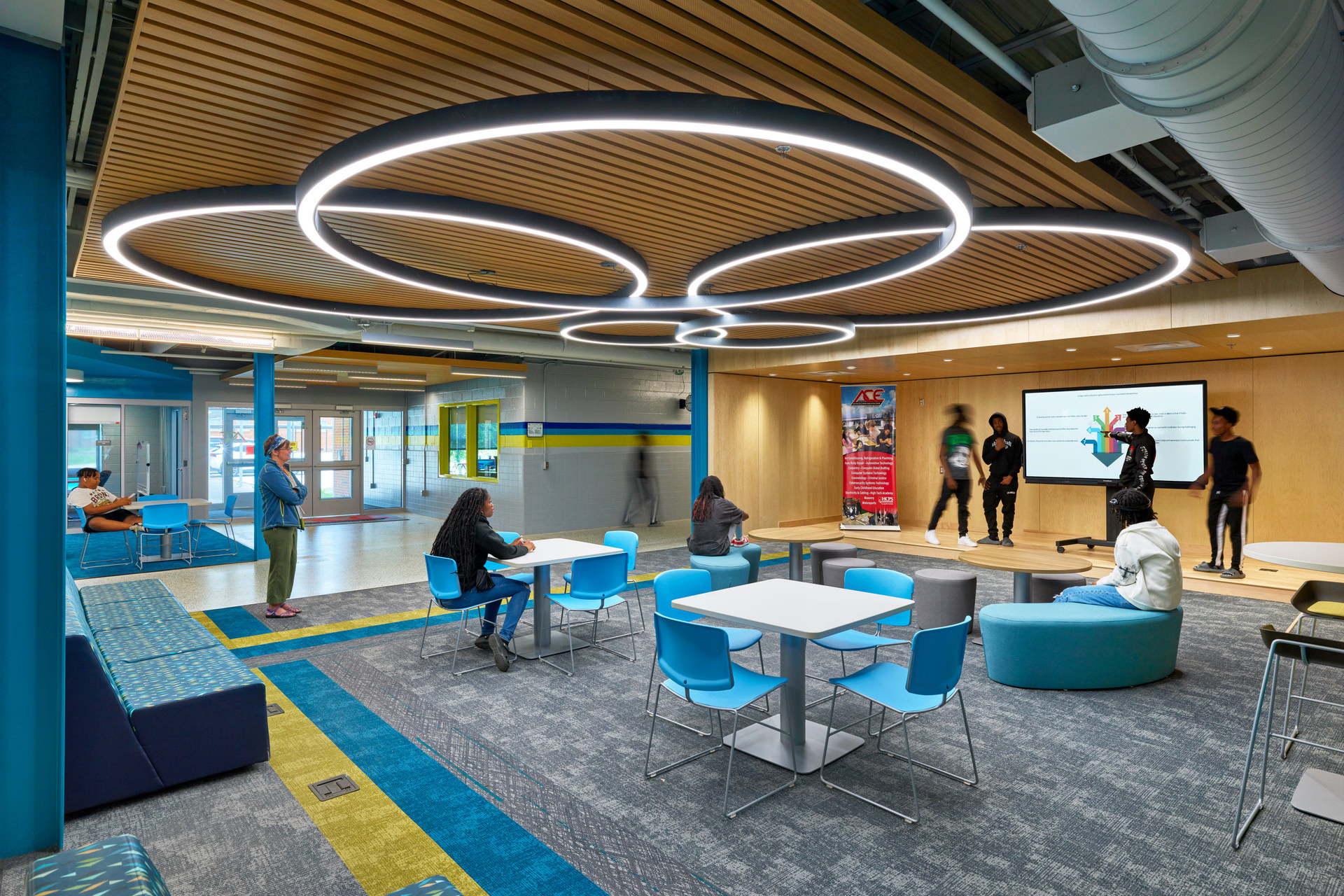
Pitch platforms, which we’ve been incorporating in CTE spaces as well as traditional academic environments like Courtland High School, help learners develop communication, presentation, and entrepreneurial skills by providing opportunities to present ideas before an audience. With a dais, presentation screen, and seating area for the audience, pitch platforms are ideal places for students to practice public speaking while presenting individual or collaborative projects.
TEACHING KITCHENS
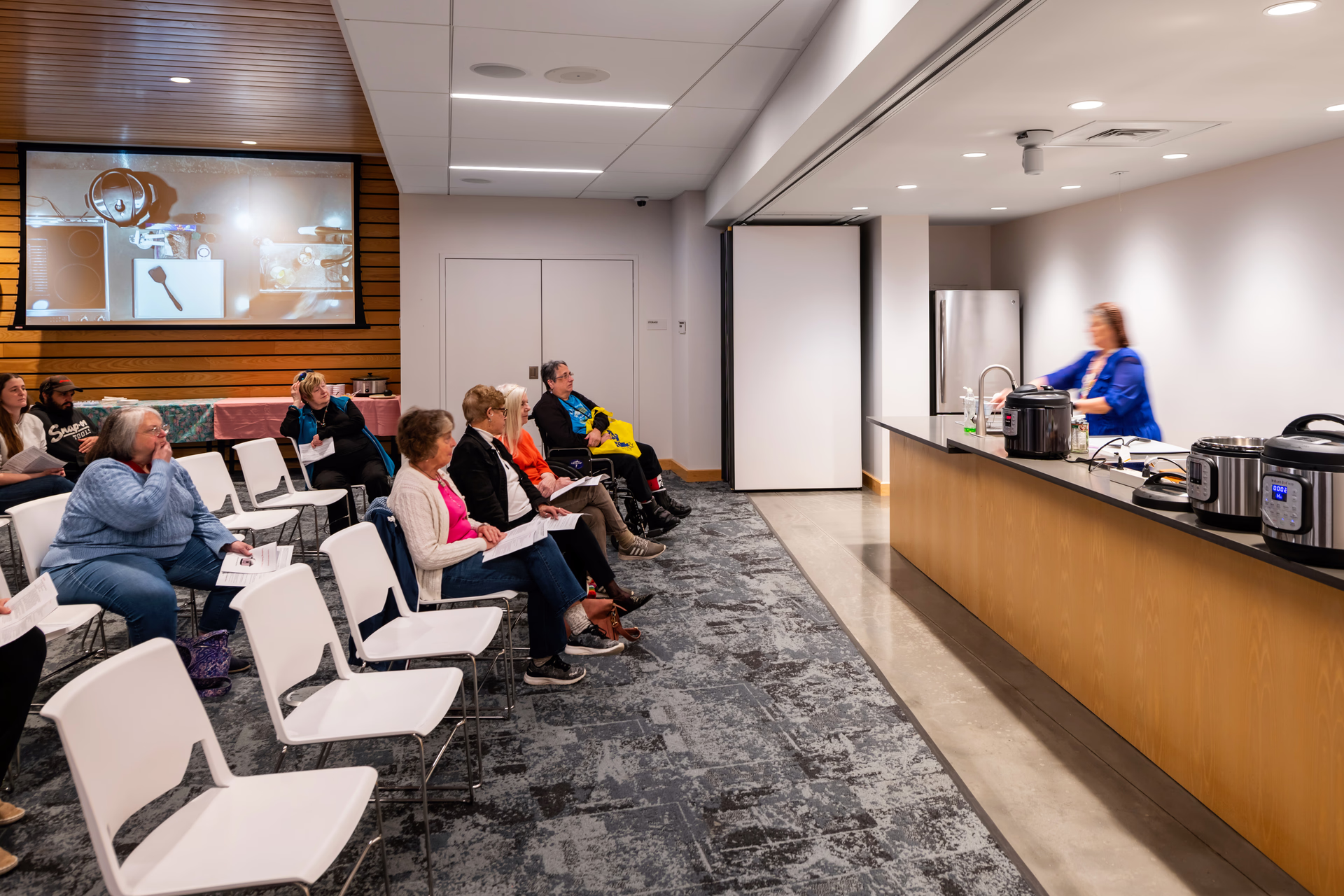
Beyond CTE programs, libraries and community centers are incorporating teaching kitchens to learners of all ages with cooking, nutrition, and food-safety classes. Recent offerings at Henrico County Public Library branches have included dumpling folding, mocktail making, and dorm-room cooking, while the Creativity Center has hosted workshops on Mexican and Thai cooking.
MULTIPURPOSE ROOMS
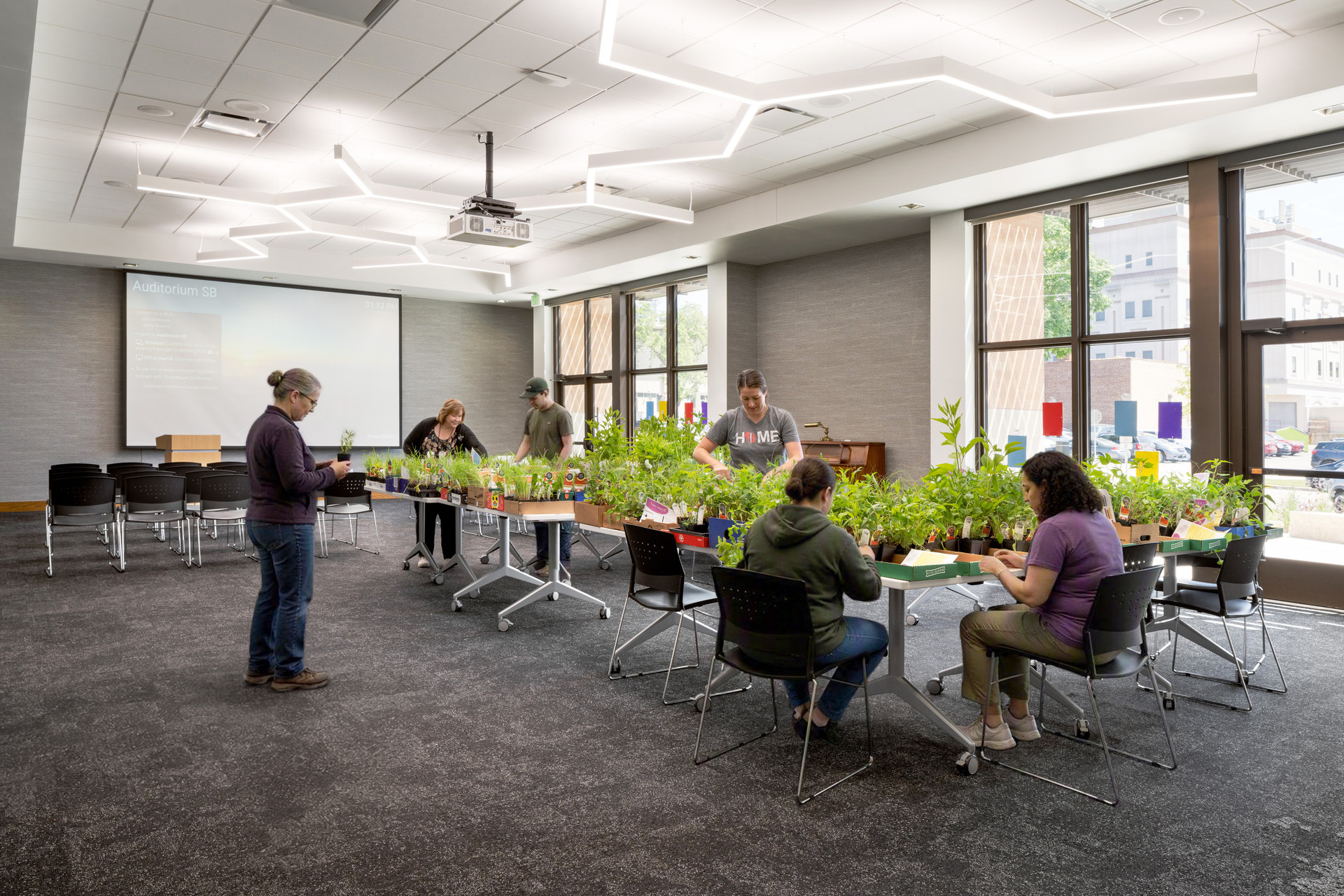
Designed with movable furniture and adaptable layouts, multipurpose rooms can quickly shift between lectures, workshops, classes, and community events. This adaptability allows organizations to respond to evolving community needs while maximizing opportunities for experiential learning, collaboration, and engagement—and revenue, if the space is rentable.
Putting It All Together at Newark Free Library
Community engagement sessions revealed that Newark, Delaware, residents wanted their new library to accommodate a variety of community programs that were not being adequately served by existing spaces. The result is a library design that is as unique as the City of Newark.
In addition to stacks and study rooms, our design for the Newark Free Library integrates several hands-on learning spaces, including a craft room, production studio, LEGO room, and demonstration kitchen opening onto a multipurpose room that can seat 70 people. A larger space features retractable seating for 160 people, allowing it to host both performances and active programs like dance lessons.
.avif)
Hand in Hand
Ultimately, the growing emphasis on hands-on learning is helping to prepare individuals and communities for the future. As educators and civic leaders work to build a future-ready workforce and people of all ages seek social connection, experiential learning will only become more important.
By designing spaces that support both learning and doing, we help institutions meet evolving educational needs while fostering curiosity, confidence, and community. In an increasingly digital world, these hands-on experiences remind us that the most meaningful learning still happens when we engage directly.
.avif)