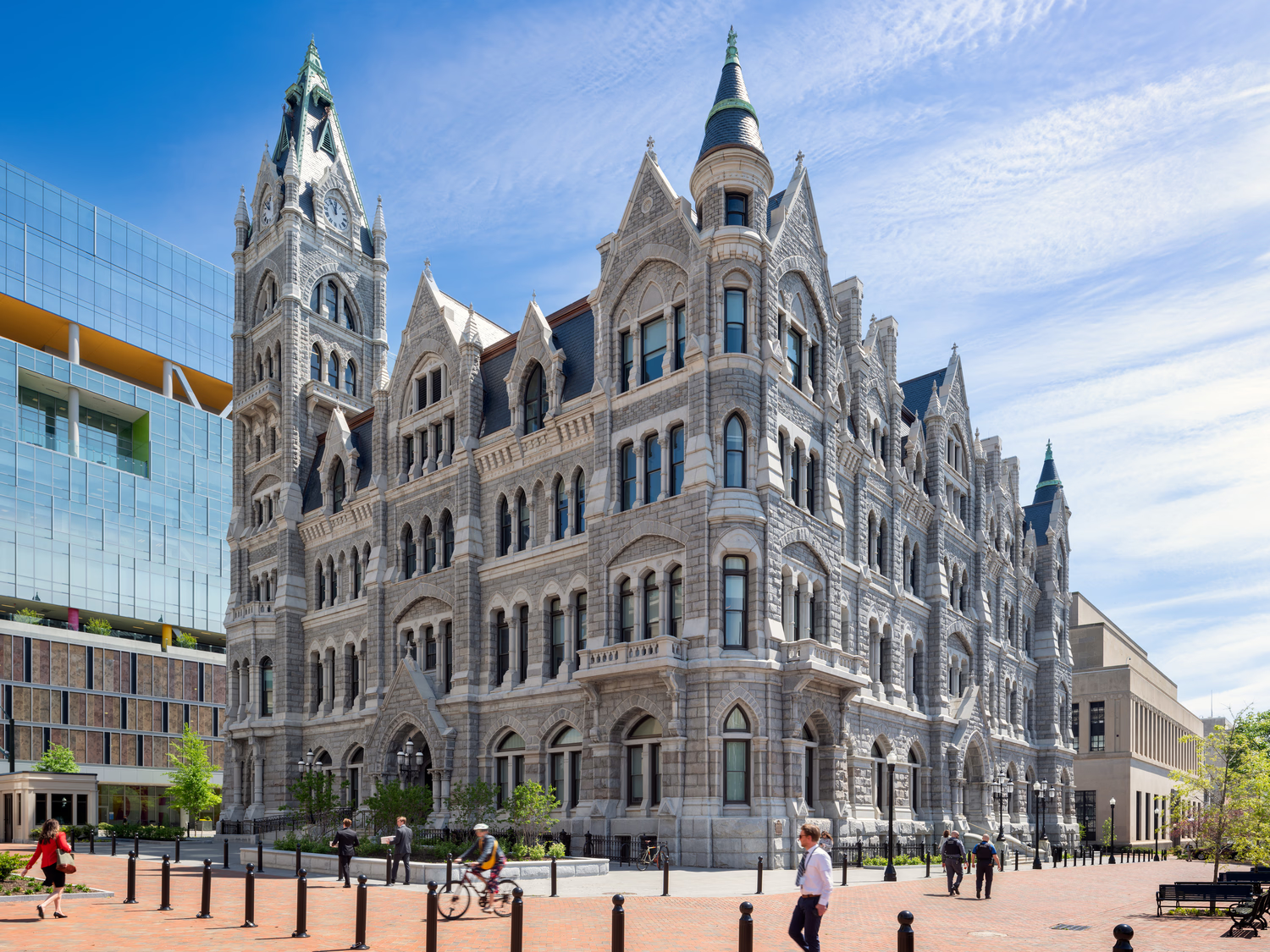
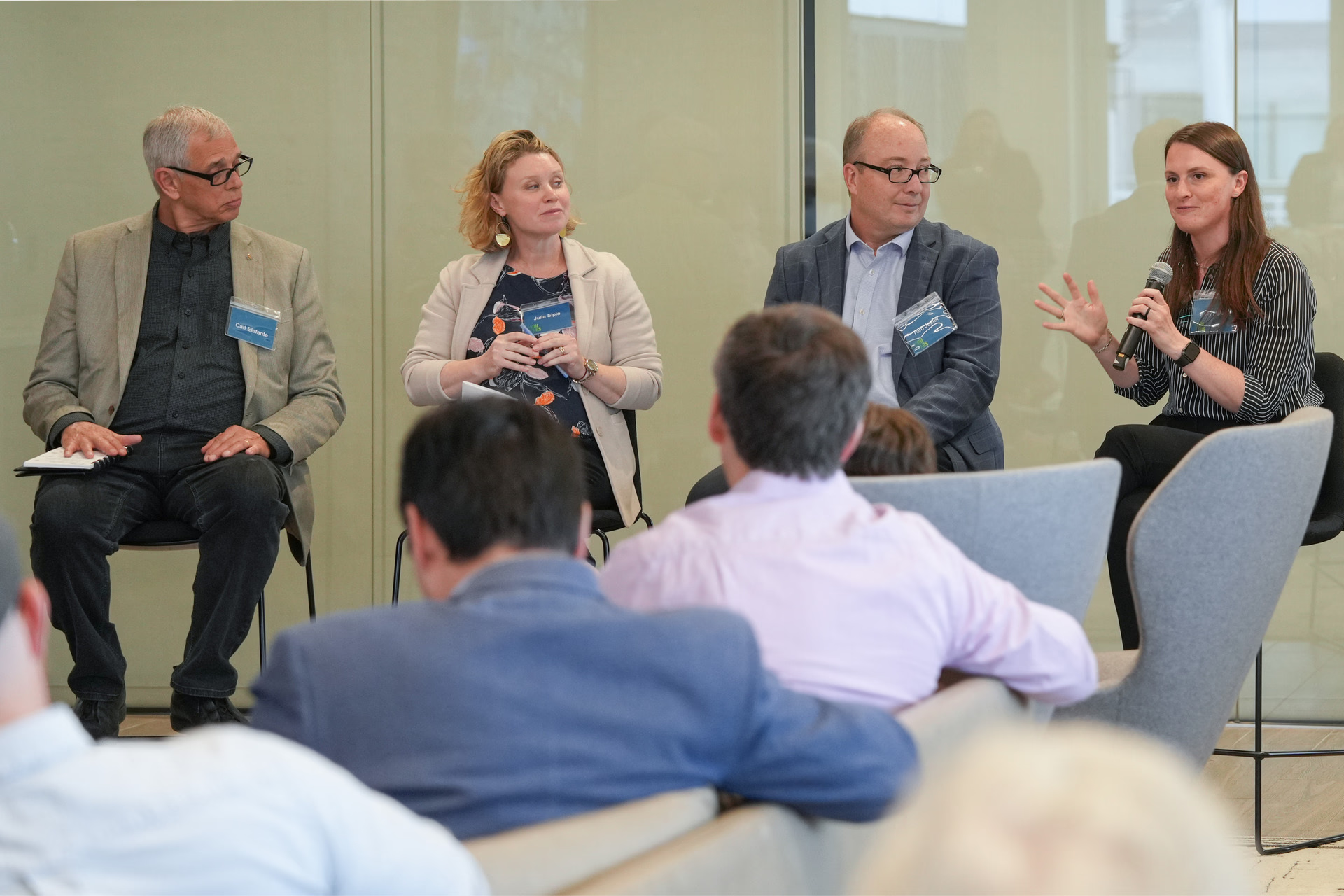
Late last month, our Washington, DC, office hosted a panel discussion exploring the evolving role of existing and historic buildings in a changing world.
Titled "Meeting the Moment: Perspectives on Building Reuse" and moderated by Kathleen Lane, the American Institute of Architects’ (AIA’s) Managing Director of Climate Action and Design Excellence, the intergenerational panel featured architects Carl Elefante, Tom Jester, Julia Siple, and Kelly Haley.
Early in the conversation, Julia raised a key framing idea: the majority of buildings that will exist in 2050 already exist today, highlighting the urgency of rethinking how these structures are valued, adapted, and maintained. As Kathleen noted, since 2022 the AIA’s monthly Architectural Billings Index has reflected more spending on the renovation of existing buildings than the design of new buildings. The future of architecture lies in renewing buildings from the past.
There’s a lot of potential in existing buildings to amplify community memory. We have to look for the synergies and the goals we can set together to leverage that—to figure out what will make people care enough to take care of this building.
JULIA SIPLE
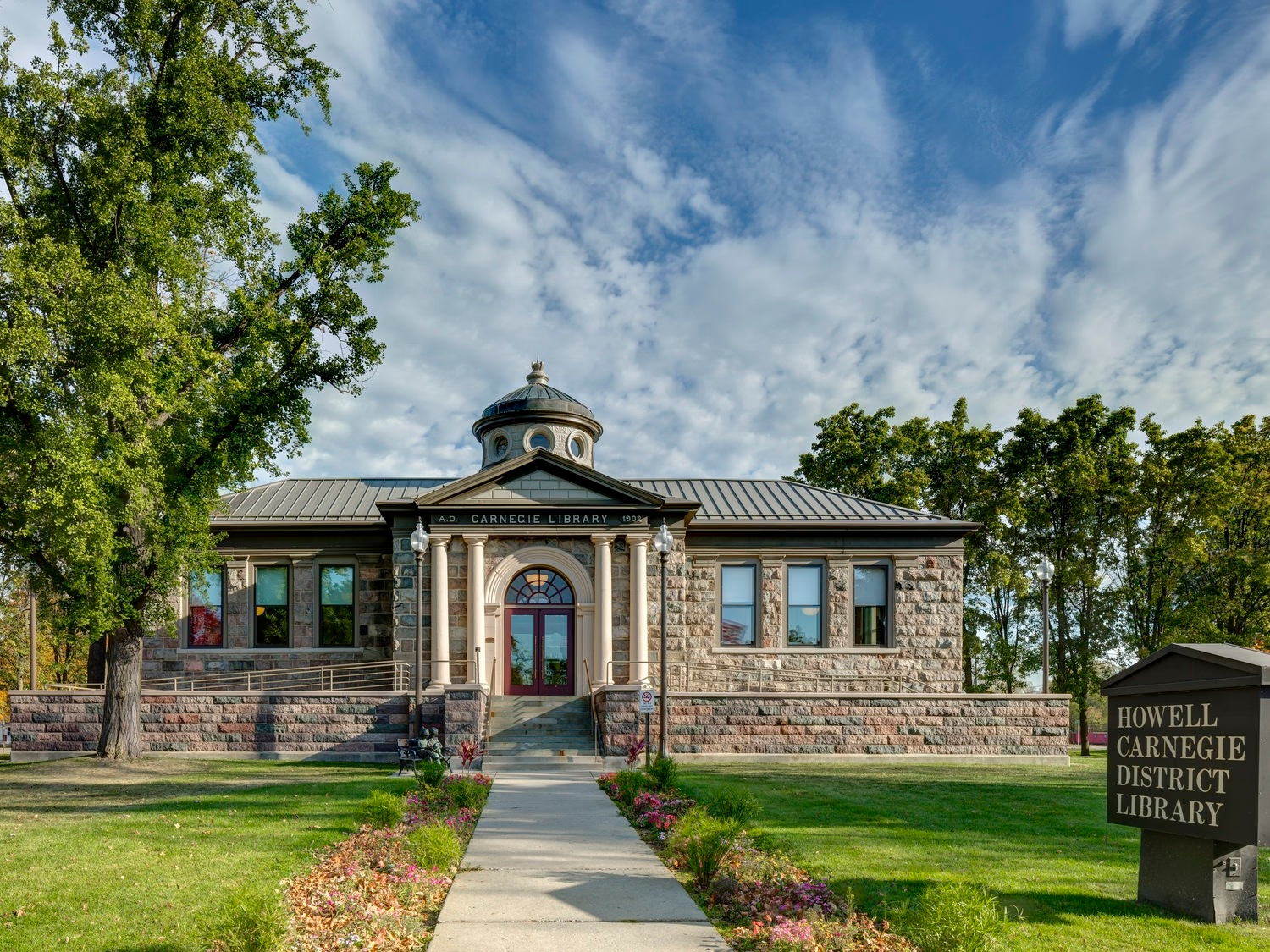
The panelists emphasized that existing buildings are often undervalued—viewed as outdated or even eyesores. We need to show their potential to address complex and interwoven challenges such as the nationwide housing shortage and global climate action, in addition to more localized needs. Our adaptive reuse projects were cited as examples of how older structures can be transformed into vibrant, high-performing community assets.
There’s so much more we can be learning from our buildings—how they’re operating and how they’re functioning for their occupants, but also how people can continue using and valuing them far into the future.
KELLY HALEY
A major theme of the discussion was the integration of new tools and knowledge—particularly big data, digital twins, and AI—into building stewardship. These technologies enable more precise analysis of building performance and inform better design and maintenance decisions over time. However, they should be paired with an understanding of the traditional, passive strategies embedded in older buildings like Eastern Market, where we reintroduced a lost skylight. The tension between high-tech approaches and time-tested design principles is not a conflict, but an opportunity to balance innovation with simplicity to achieve human-centered design.
With the tools we have as professionals today, there’s really no limit to design. Our limits are now external: the financing system, the building codes, the zoning codes. I hope these new tools will give us the opportunity to spend more time working on those external constraints.
CARL ELEFANTE
Later, the conversation turned to long-term thinking and shared responsibility among stakeholders. The panelists urged owners, designers, and policymakers to prioritize durability, adaptability, and stewardship, considering not just immediate needs but the lifecycle of buildings over decades or even centuries. They stressed the importance of reframing conversations around sustainability in terms of risk, value, and community benefit to better engage decision-makers.
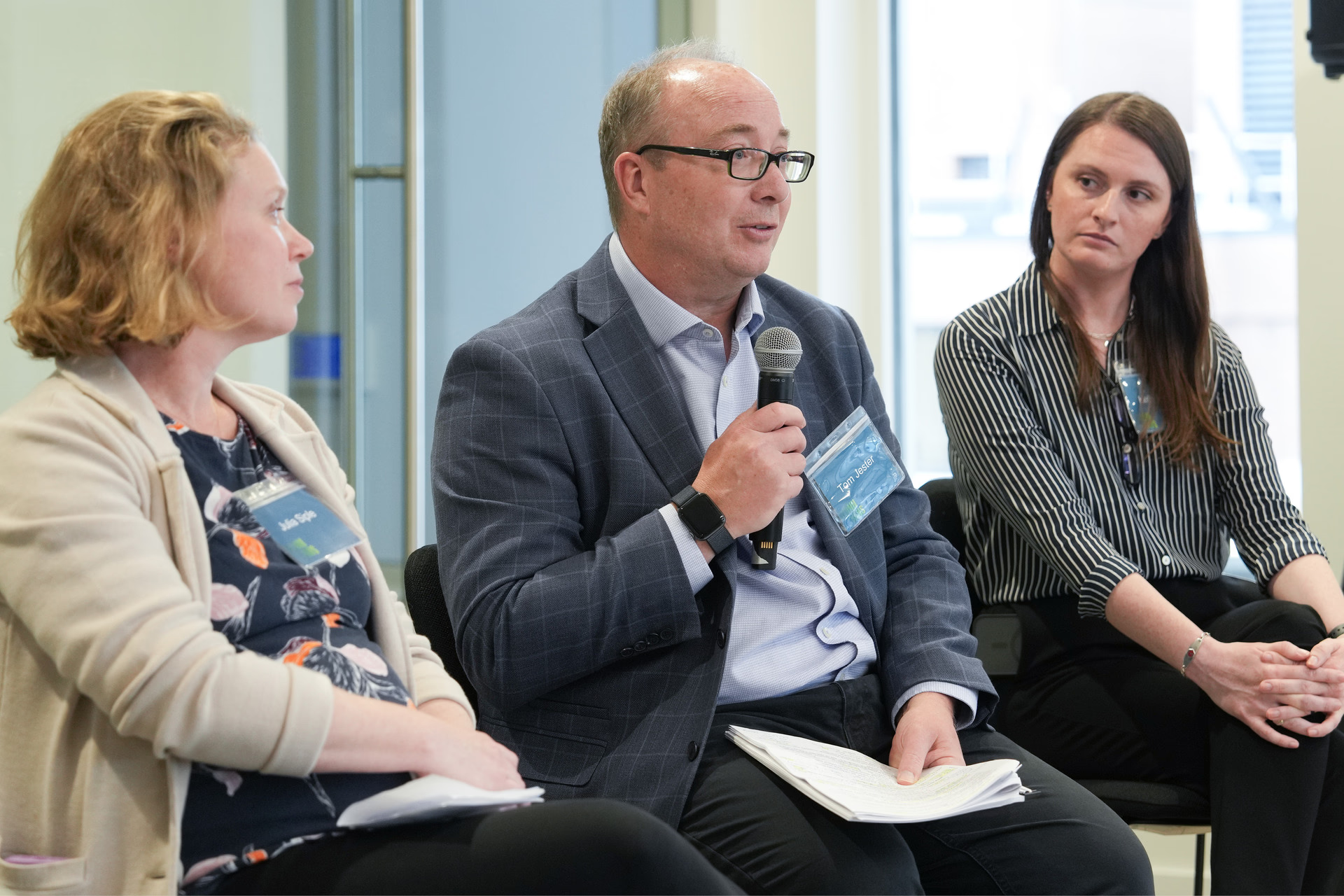
As architects, and especially as preservationists, we’re trained to solve problems—to work through complexity to provide solutions that serve the building, the client, and the occupants for the long term. We have the capacity to tackle tough challenges.
TOM JESTER
Ultimately, the discussion highlighted that meeting today’s challenges requires both reimagining existing buildings as assets for the future and aligning economic, social, and environmental goals to support their continued evolution—and that design professionals are well positioned to lead the charge.
For more from sustainability champion, AIA past president, and Quinn Evans principal emeritus Carl Elefante, read excerpts from his internal conversation with our DC office colleagues here.