In honor of our nation’s 250th birthday, we’re sharing stories of places that showcase the rich tapestry of American history. Guided by our stewardship ethos, our work connects people to place and drives positive change for generations to come—respecting the past while creating a legacy for the future.
Our parks—local, state, and national—are living expressions of our shared commitment to the land and to one another. From neighborhood greenways to vast wilderness preserves, these public spaces invite us to gather, reflect, and reconnect with the landscapes that shape our heritage. By caring for our nation’s parks, we uphold a tradition of stewardship, ensuring that these treasured landscapes endure for future generations. Here are just a few of the parks we’ve touched.
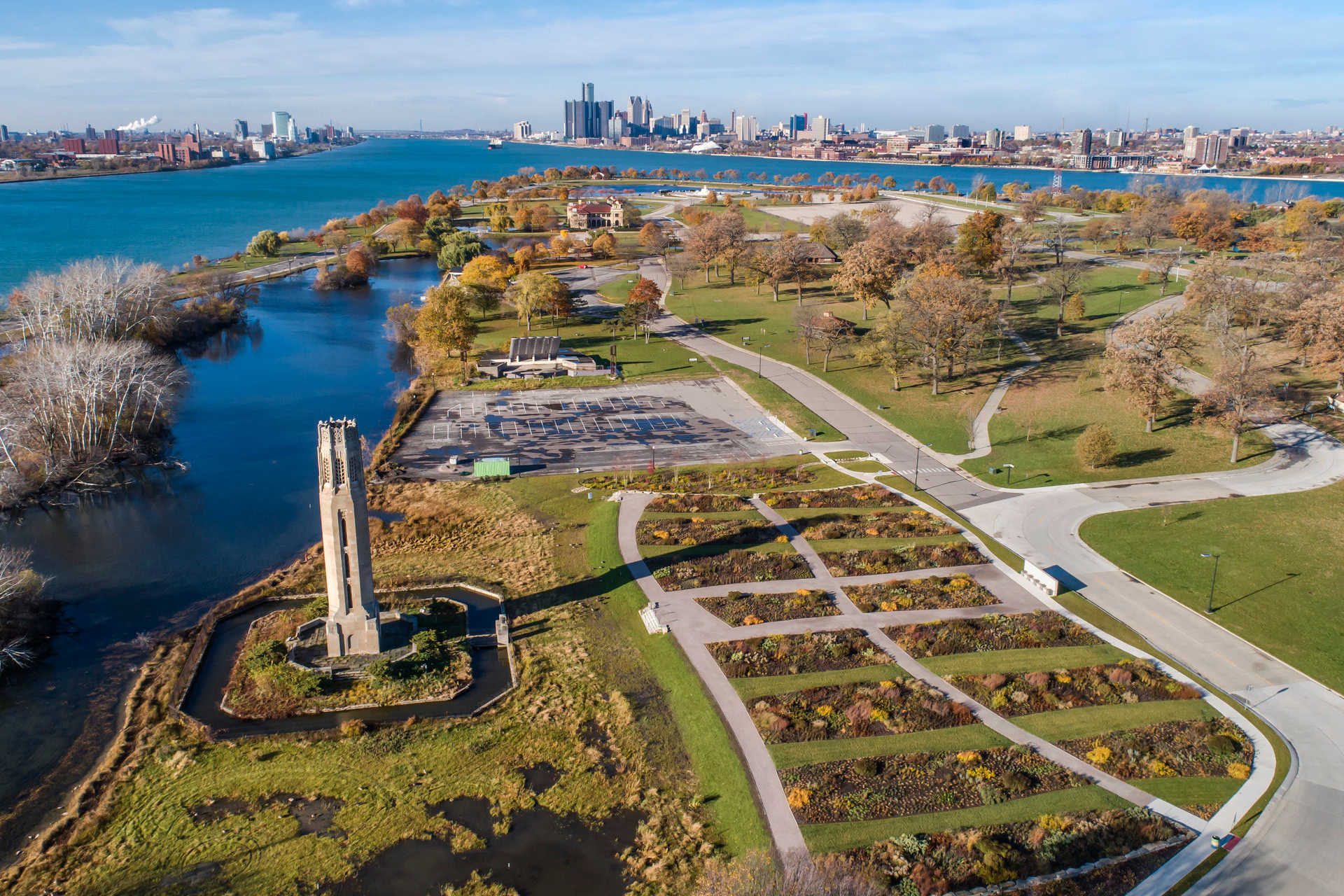
Belle Isle State Park
DETROIT, MICHIGAN
Belle Isle has been a vibrant site of recreation and relaxation since the 1880s, when famed landscape architect Frederick Law Olmsted was hired to design the 982-acre oasis on an island in the Detroit River. We have renovated several buildings and sites that enhance this beloved destination and add to visitors’ understanding of its historic significance.
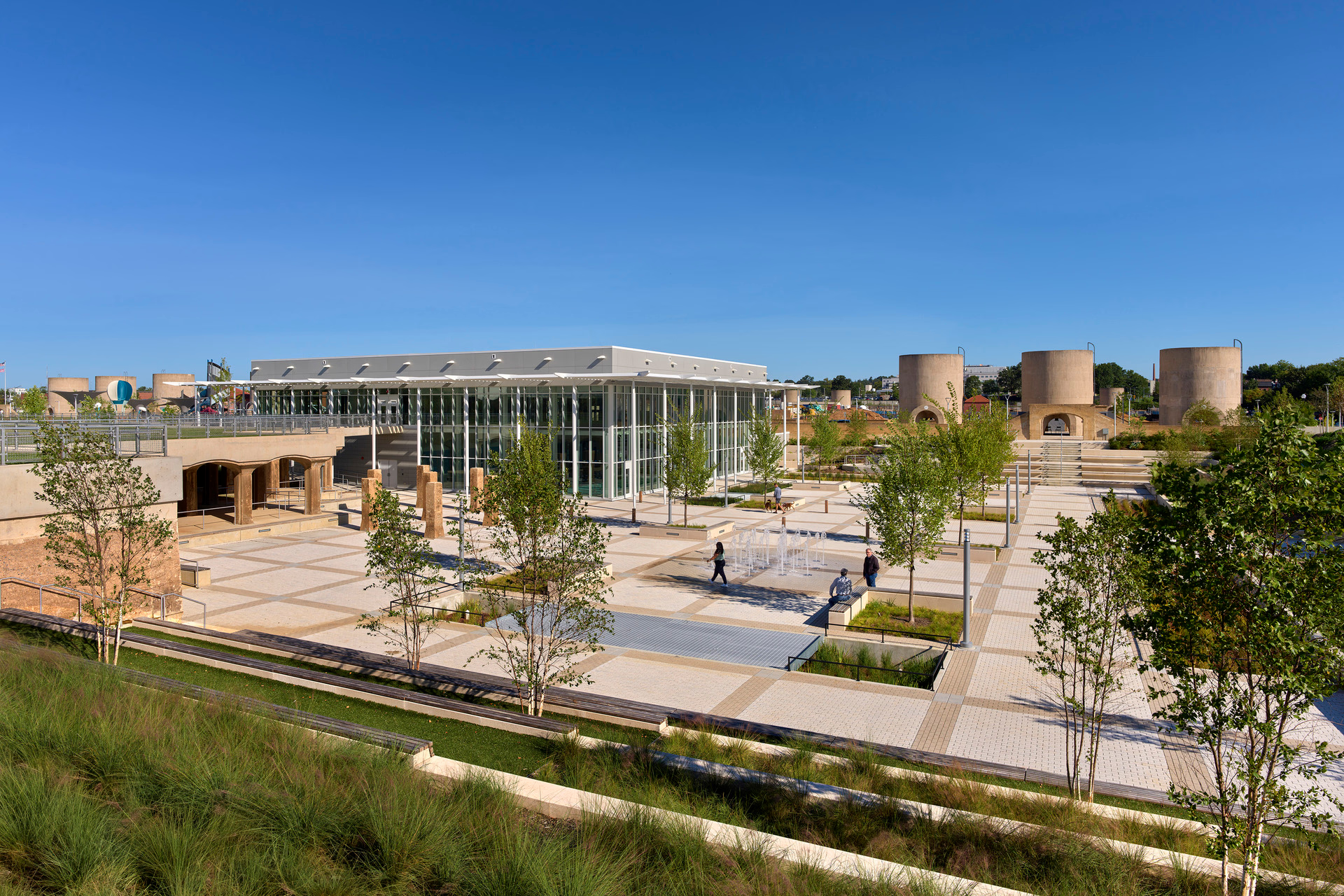
Reservoir Park
WASHINGTON, DC
Our design for this new city park and recreation center reclaims a former water treatment facility for community use. From 1905 until 1986, the site supplied Washington with clean drinking water by filtering water from the adjacent reservoir through vast underground sand beds. We preserved vestiges of this industrial past alongside new amenities.
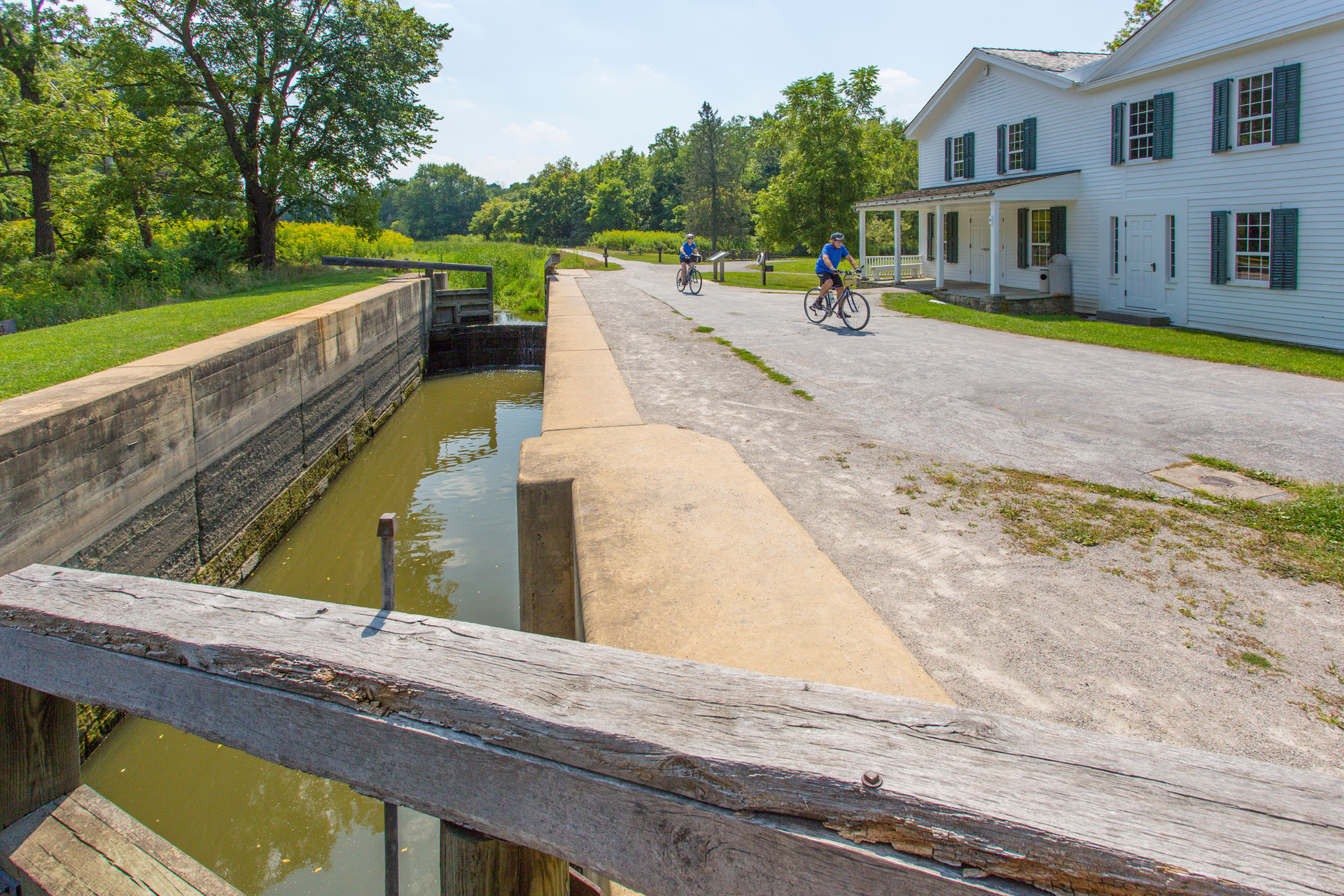
Cuyahoga Valley National Park
SUMMIT AND CUYAHOGA COUNTIES, OHIO
A cultural landscape results from the interaction between human beings and their environment—and the Ohio and Erie Canal at Cuyahoga Valley National Park is a prime example. Our Cultural Landscape Report for the site both documents the canal’s past and prepares it for the future, presenting a sustainable vision for the site that merges historic preservation with contemporary needs.
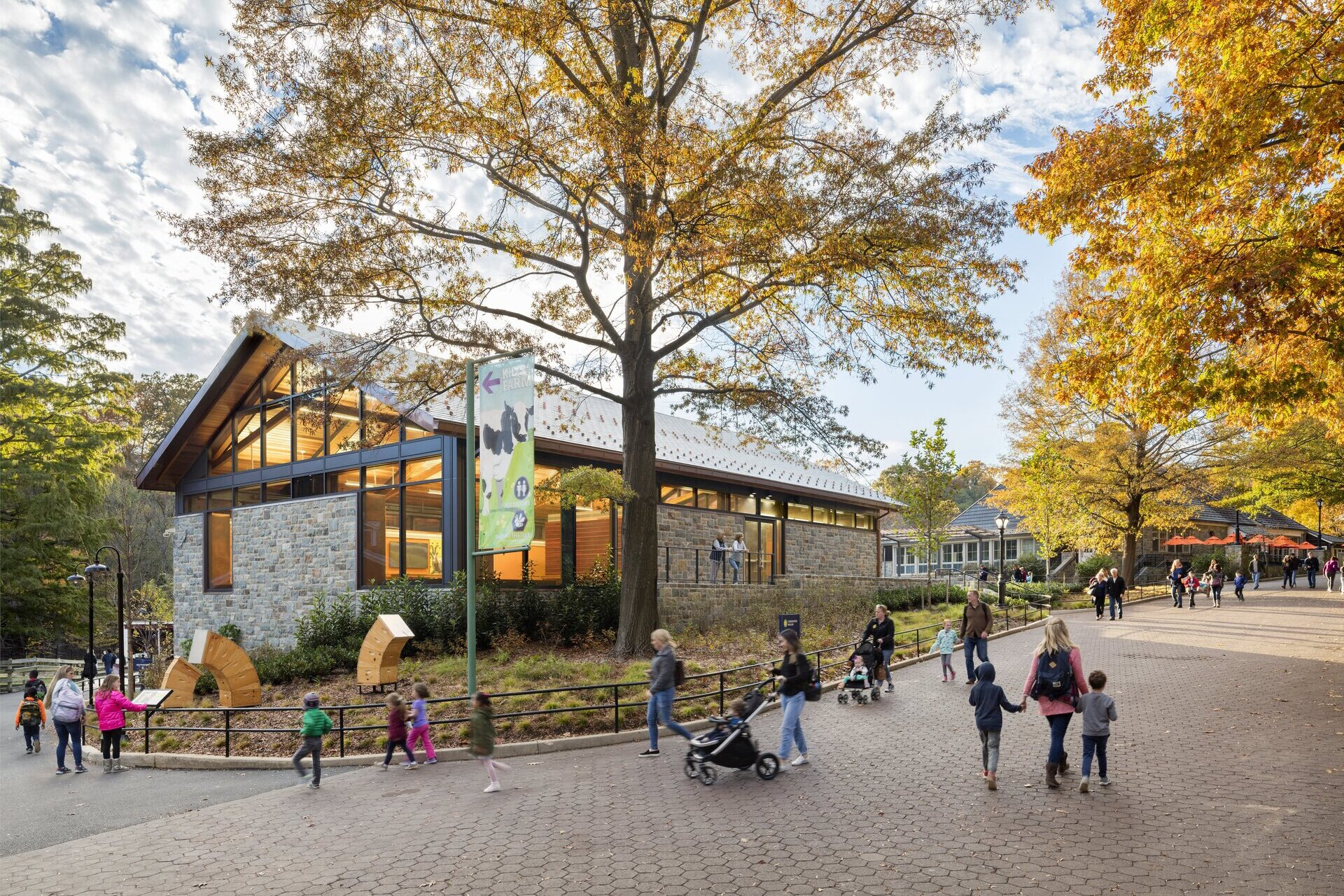
The National Zoo
WASHINGTON, DC
The Smithsonian Institution’s National Zoo is another Olmsted-designed landscape. It was created by an act of Congress for “the advancement of science and the instruction and recreation of the people,” and, like the other Smithsonian facilities, does not charge admission. We have completed over 100 projects at the National Zoo, including the renovation and expansion of the Bird House, the renewal of the Seal and Sea Lion Exhibit, and the new Conservation Pavilion.
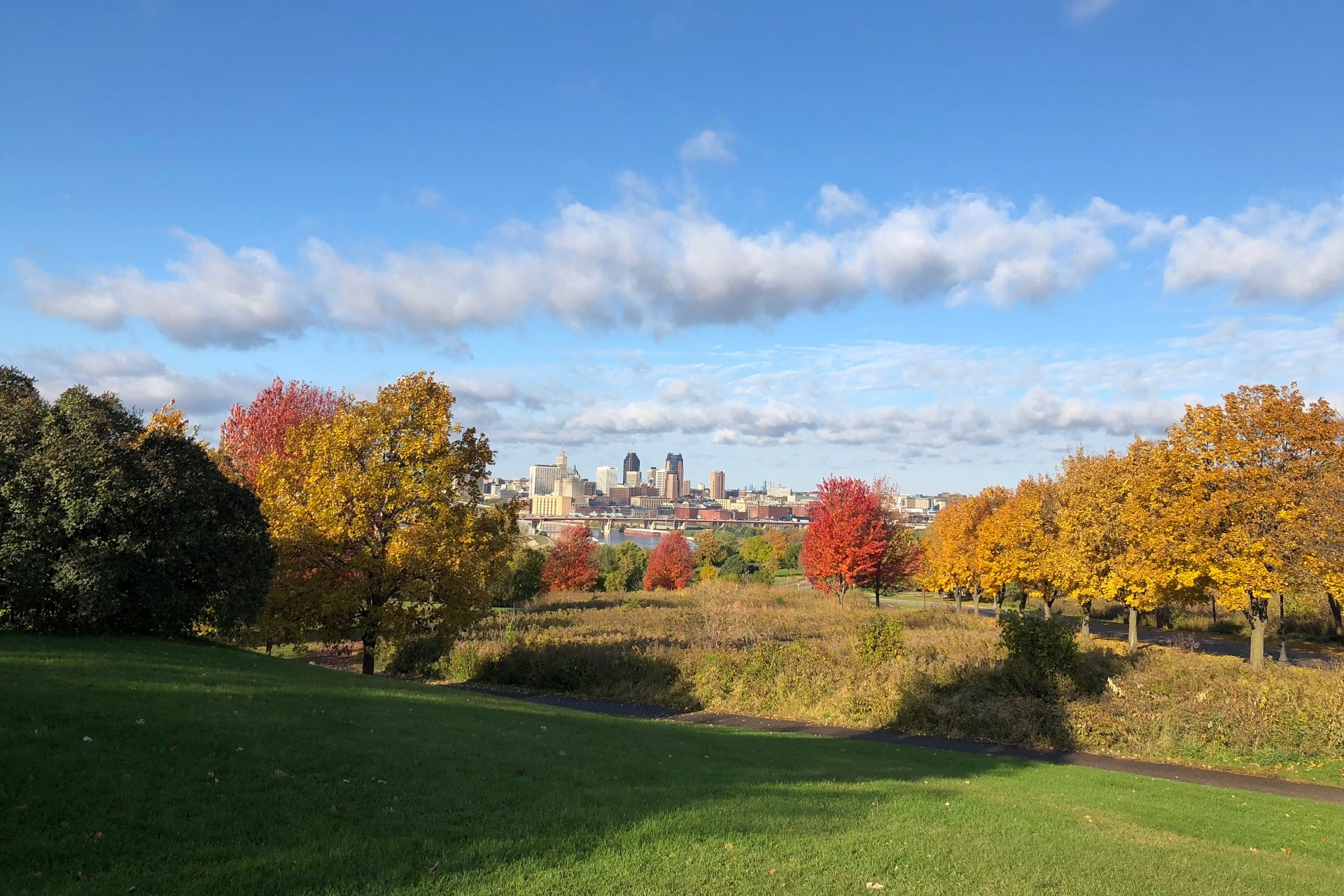
Indian Mounds
ST. PAUL, MINNESOTA
Our Cultural Landscape Study and Messaging Plan for Indian Mounds presents a comprehensive framework for acknowledging the site’s long history and the Indigenous people whose ancestors are buried there. It envisions the gradual replacement of recreational aspects with features that support contemplation, prayer, and spiritual gatherings by the people for whom the landscape is sacred.
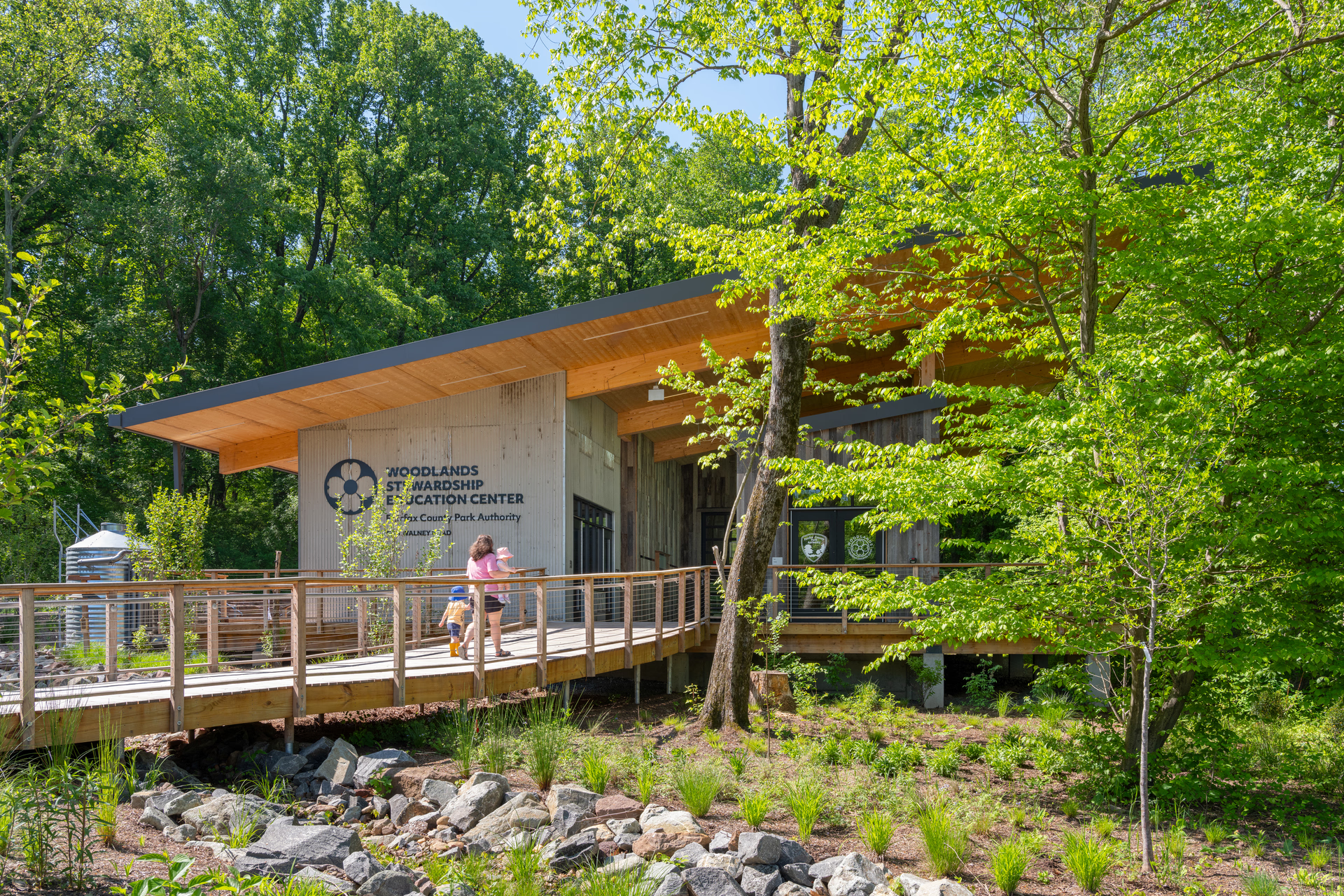
Woodlands Stewardship Education Center
ELLANOR C. LAWRENCE PARK | CHANTILLY, VIRGINIA
Aiming to inspire visitors to be active stewards of the environment, the Woodlands Stewardship Education Center demonstrates sustainable approaches and technologies they can implement at home. It’s on track to be fully certified under the Living Building Challenge, the world’s most rigorous standard for building performance.
Together, these projects reflect a shared philosophy: parks thrive when thoughtful design, an understanding of history and context, and environmental responsibility are woven into their care. By stewarding these places with intention and respect, we help ensure they remain resilient and meaningful places for generations to come.
Look out for more Celebrating American Stories posts between now and Independence Day!
.avif)