In honor of our nation’s 250th birthday, we’re sharing stories of places that showcase the rich tapestry of American history. Guided by our stewardship ethos, our work connects people to place and drives positive change for generations to come—respecting the past while creating a legacy for the future.
Museums are guardians of the American story. Beyond preserving artifacts of our shared past, they interpret them in today’s context—connecting each generation to the triumphs, struggles, and voices that shaped the United States. From art museums to sprawling living history campuses, Americans can see ourselves reflected not only in the achievements of the past but in the ongoing pursuit of a more perfect union. Here’s a sampling of our work at museums that are telling American stories.
National Air and Space Museum
WASHINGTON, DC
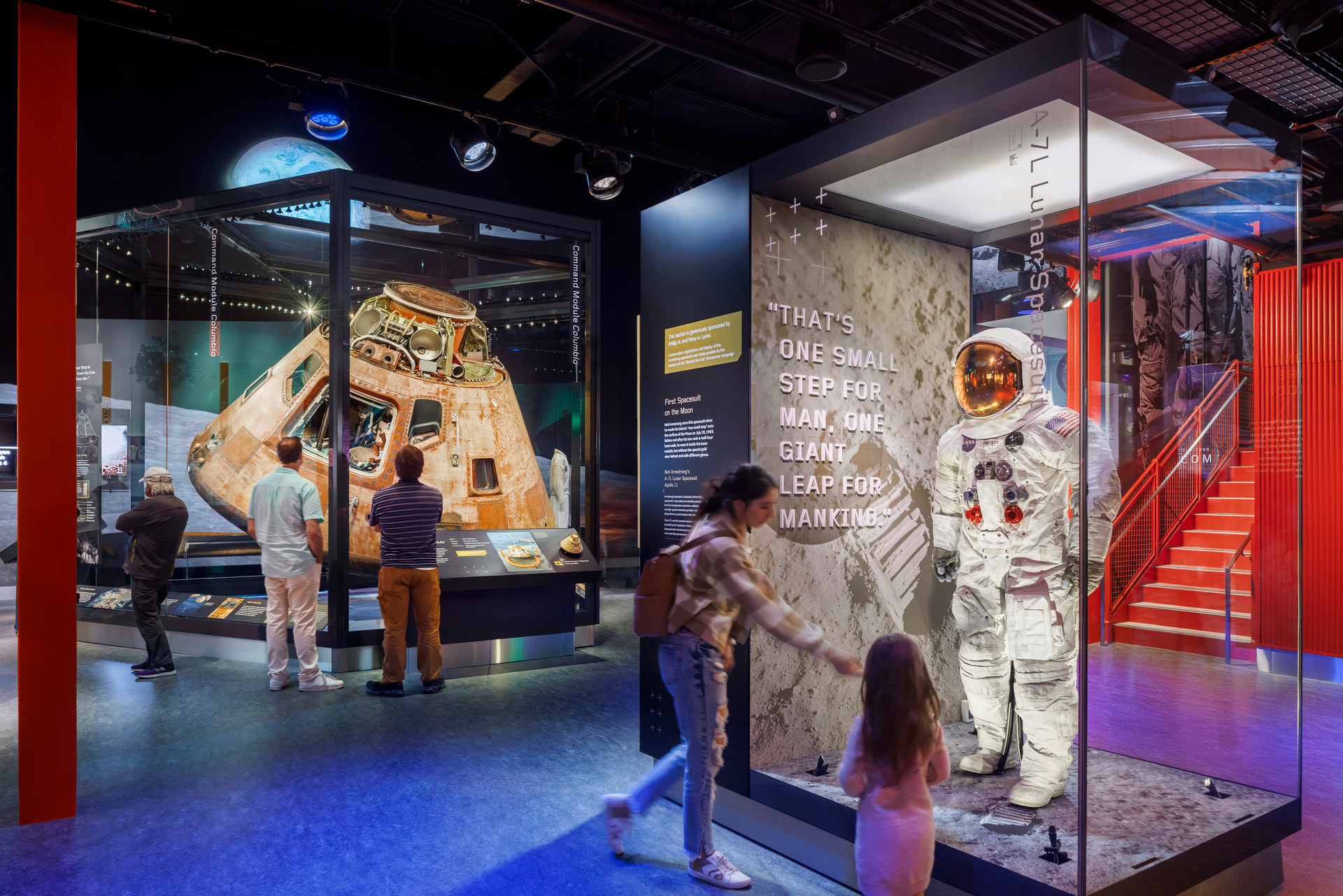
From the 1903 Wright Flyer to Neil Armstrong’s Apollo 11 spacesuit, the Smithsonian’s National Air and Space Museum displays treasures that connect us to the brave explorers who in a matter of decades took humankind from the first powered flight to landing on the moon. The museum opened in 1976 as a centerpiece of the bicentennial celebrations; in preparation for its upcoming 50th anniversary, we designed a comprehensive renovation that will help it continue to inspire visitors for decades to come.
Baltimore Museum of Art
BALTIMORE, MARYLAND
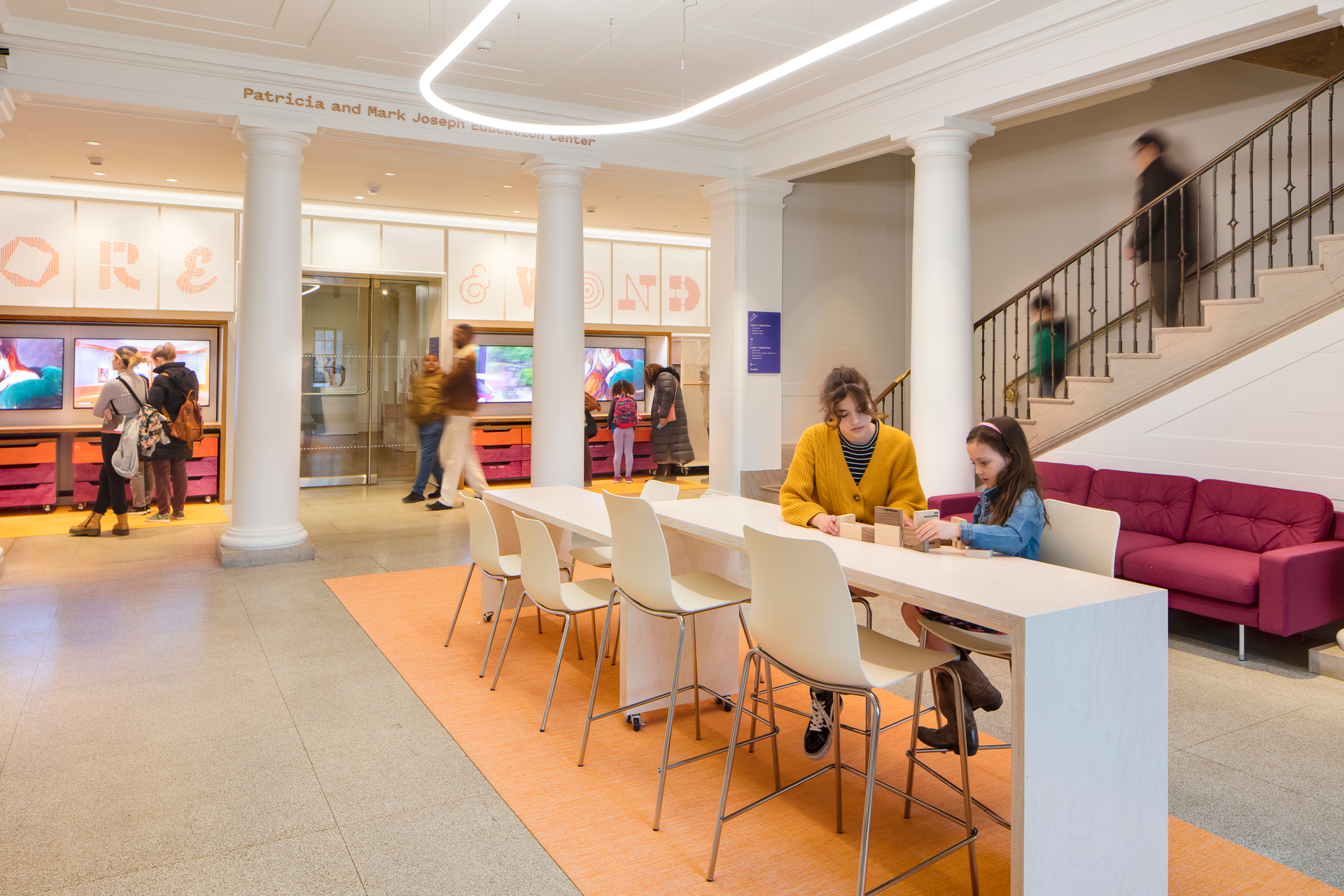
With a mission to “be the most relevant publicly engaged museum in the United States,” the Baltimore Museum of Art both maintains a venerable collection of 18th-20th century art and focuses on collaborating with artists, acquiring contemporary works, and reaching out to the Baltimore community. We've supported the museum’s mission through several renovation projects within its historic building, including the creation of the Patricia and Mark Joseph Education Center, Nancy Dorman and Stanley Mazaroff Center for the Study of Prints, Drawings and Photographs, and Ruth R. Marder Center for Matisse Studies.
The Henry Ford
DEARBORN, MICHIGAN
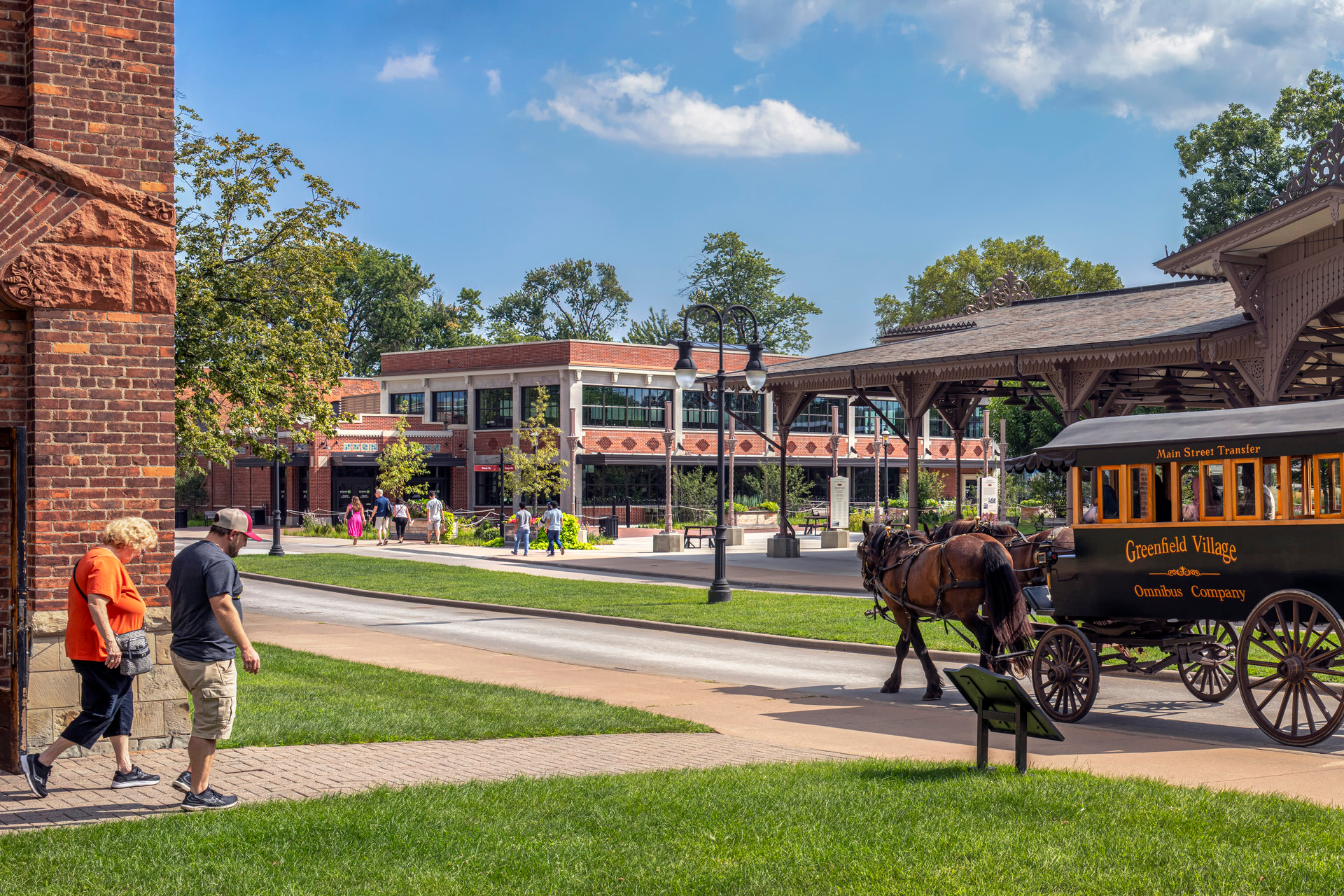
Henry Ford founded his eponymous museum complex to interpret “the history of our people as written into things their hands made and used.” We’ve completed several projects that help Greenfield Village, the site’s collection of historic and reconstructed buildings, tell this story. They include the transformation of a machine shop into the Davidson-Gerson Gallery of Glass, the rebuilding of the Detroit Central Market, and the relocation of the Jackson Home. We also created a new visitor amenity, the Stand 44 dining pavilion.
Molina Family Latino Gallery
NATIONAL MUSEUM OF AMERICAN HISTORY | WASHINGTON, DC
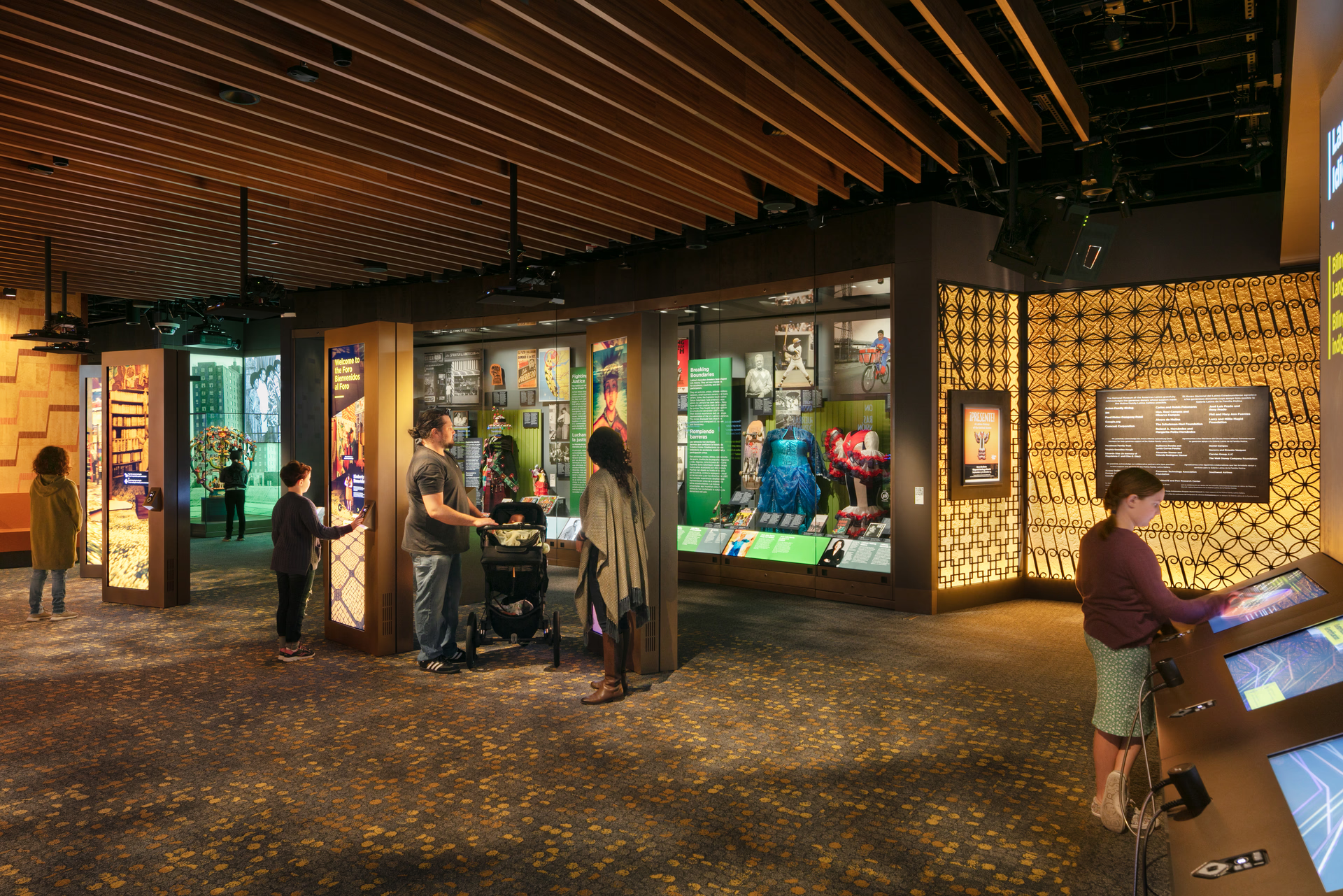
We collaborated with the Smithsonian to design the first dedicated exhibition space for the National Museum of the American Latino, which was created in 2020 by an act of Congress: the Molina Family Latino Gallery. Located within the National Museum of American History, the gallery houses changing exhibits honoring Latinos’ contributions to American culture.
North Carolina History Center
TRYON PALACE HISTORIC SITES AND GARDENS | NEW BERN, NORTH CAROLINA
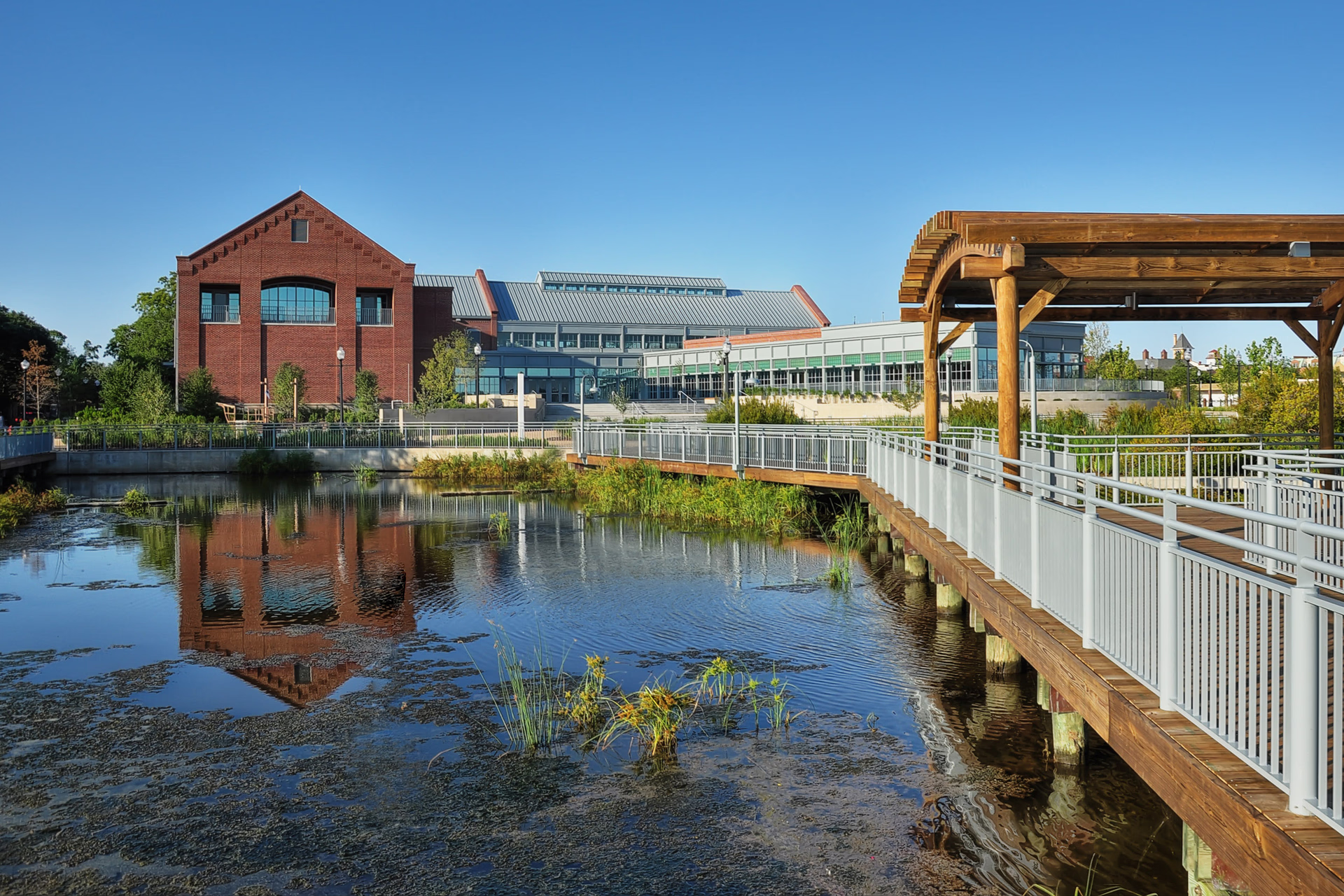
We enhanced the visitor experience at Tryon Palace with a new exhibit and educational space that complements the site’s living history interpretation while addressing the need for visitor amenities and orientation spaces. A former brownfield site was transformed into a central hub offering exhibits, a 200-seat auditorium, a café, a gift shop, and instructional spaces that welcomes visitors to engage with the history, culture, and ecology of eastern North Carolina.
Jewish Museum of Maryland
BALTIMORE, MARYLAND
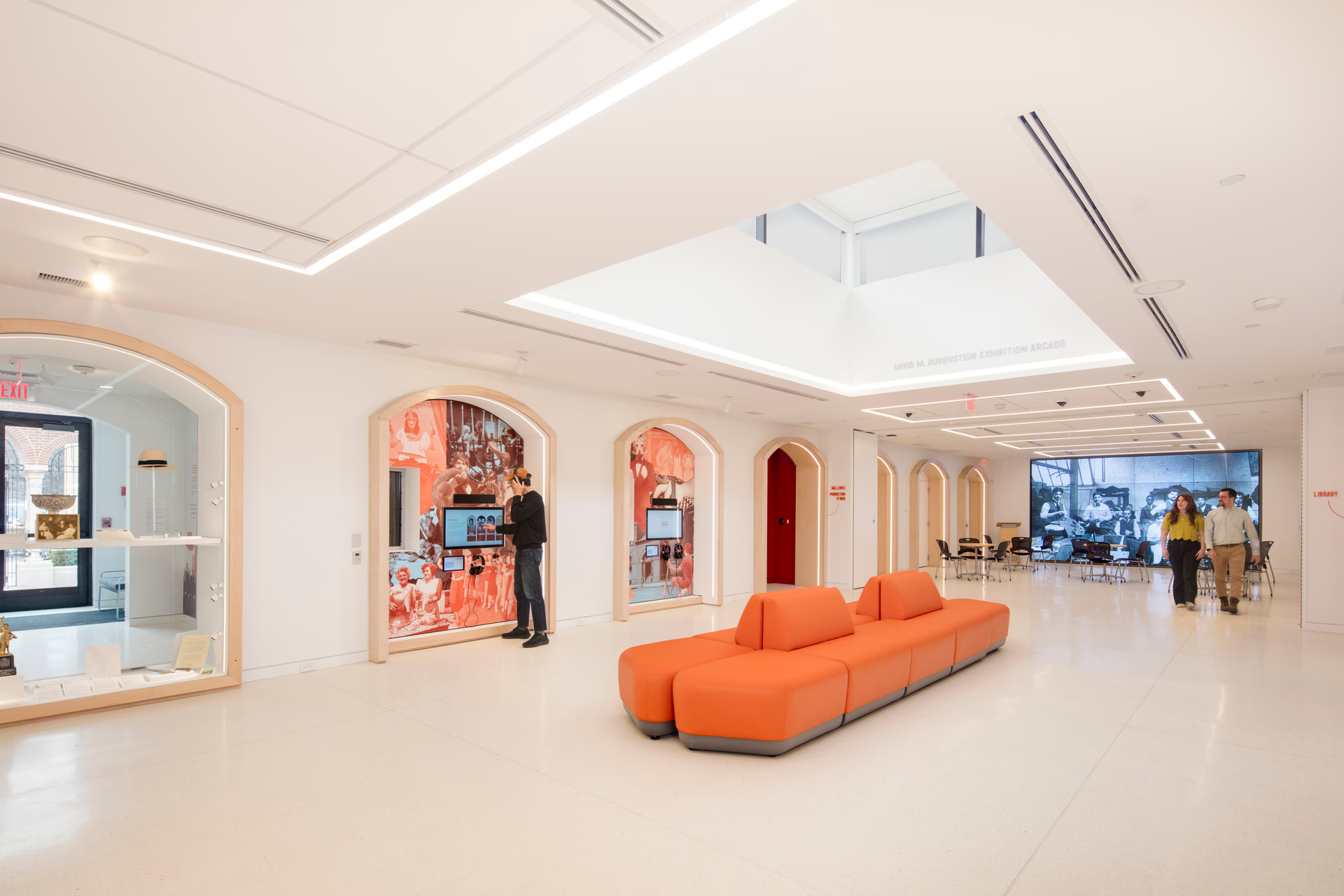
The Jewish Museum of Maryland’s leadership had an ambitious goal: to recast their institution as a place of co-creation, where visitors could explore digital content, contribute to the narrative, or further their own creative projects. To support this aspiration, we transformed the museum’s front-of-house into a series of flexible and adaptable spaces that dissolve traditional boundaries between exhibition, interpretation, and participation.
National Museum of the US Navy
CONCEPTUAL DESIGN
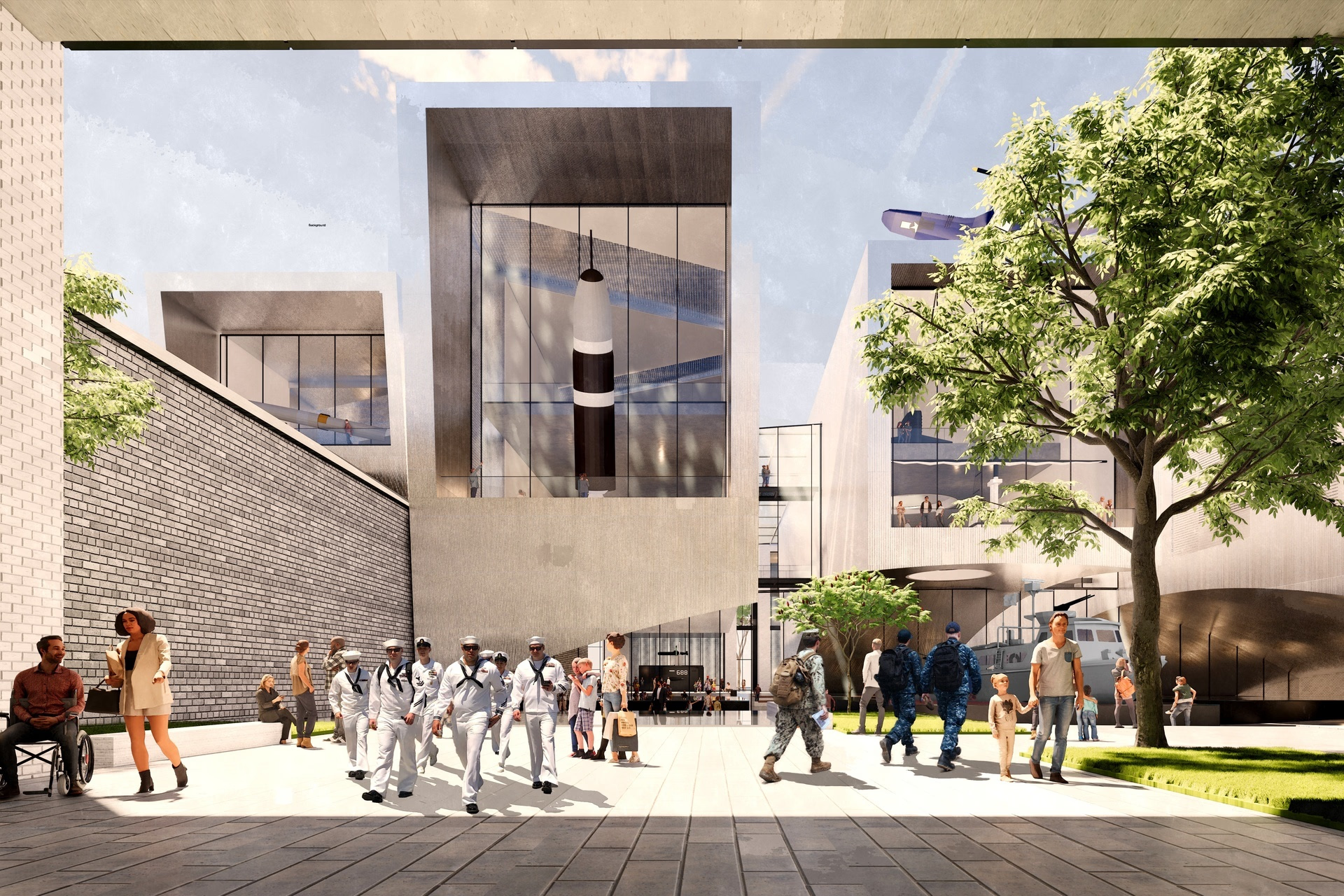
Our vision for a new museum highlighting the achievements of the US Navy was named one of five finalists in a competition initiated by the Naval History and Heritage Command. Our design conceives the museum as the Navy's symbolic home port, recalling the poignant moments when sailors depart from and return to their families and communities. A central Honor Court serves as a public park, a hub for cultural and community activities, and a venue for naval ceremonies.
By safeguarding our history and inviting us to engage with it, museums inspire pride, foster understanding, and remind us that the American story is still being written—and that we all have a role to play in honoring and advancing it.