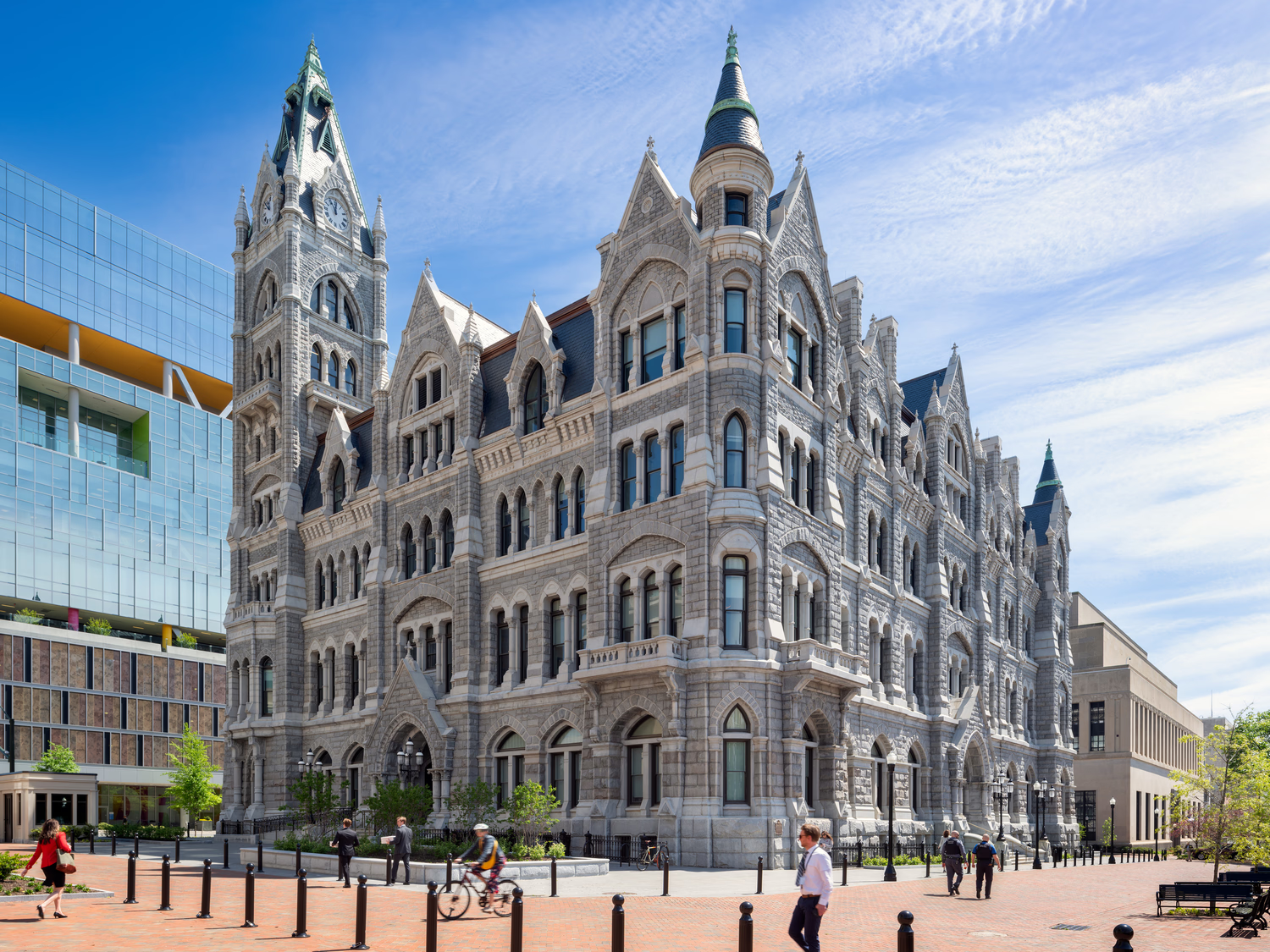
In honor of our nation’s 250th birthday, we’re sharing stories of places that showcase the rich tapestry of American history. Guided by our stewardship ethos, our work connects people to place and drives positive change for generations to come—respecting the past while creating a legacy for the future.
Adaptive reuse—the transformation of existing buildings to serve new purposes—is a powerful way to connect past and present. In preserving these structures while adapting them to contemporary needs, communities honor their architectural and cultural heritage without freezing it in time. By treating our heritage as ever-changing rather than static, adaptive reuse demonstrates that our nation’s built environment can evolve alongside its people. The following projects show how we’re teaching old places new tricks.
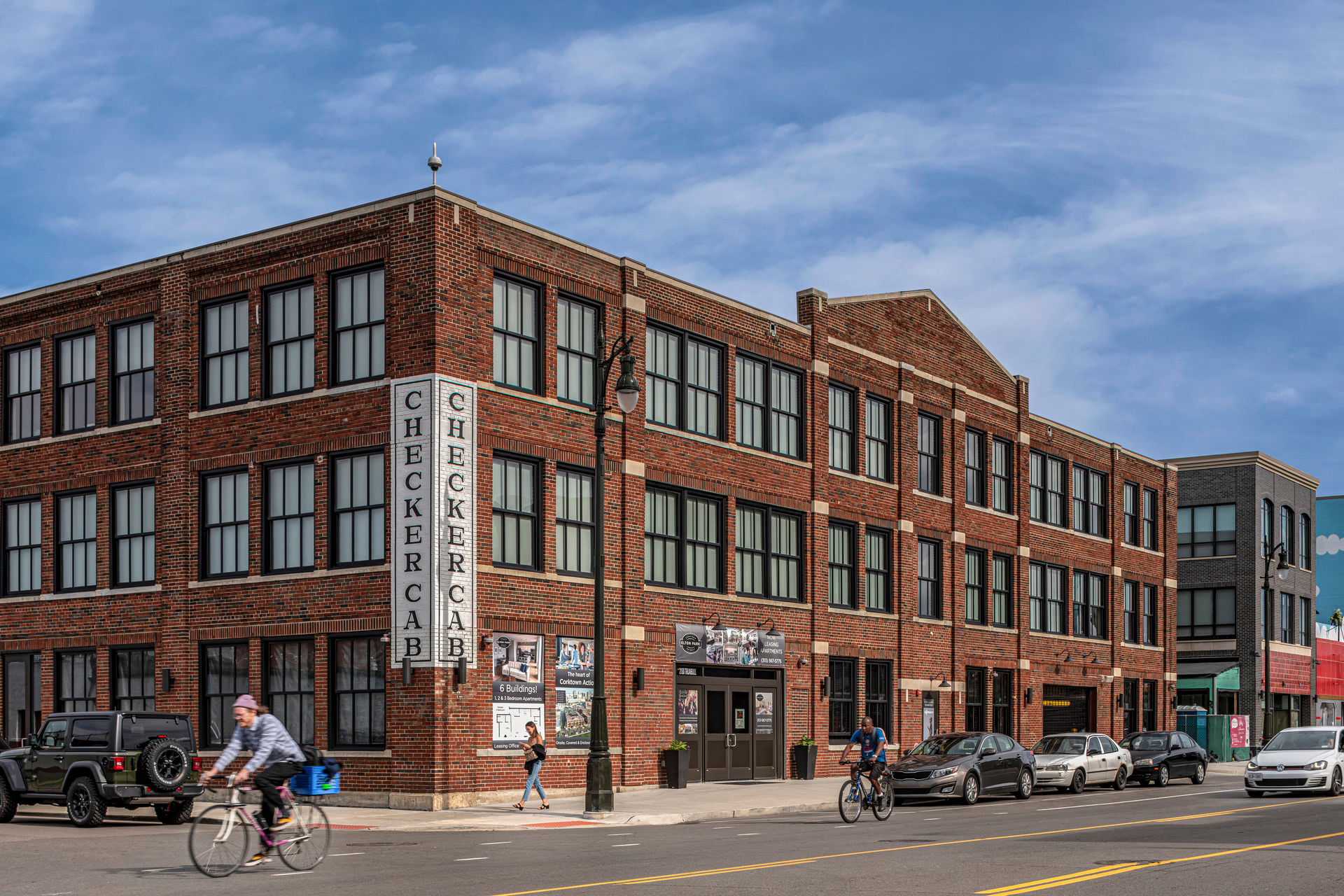
Checker Cab
DETROIT, MICHIGAN
The metamorphosis of this historic taxicab company headquarters provides a template for the future of urban living. Built in 1927, the Checker Cab building was constructed to park the company’s fleet. We transformed the building to accommodate modern loft apartments on the upper floors while the ground level remains parking. The innovative renovation provides an example for the reuse of parking structures, which are becoming less necessary as our society shifts away from individual car ownership.
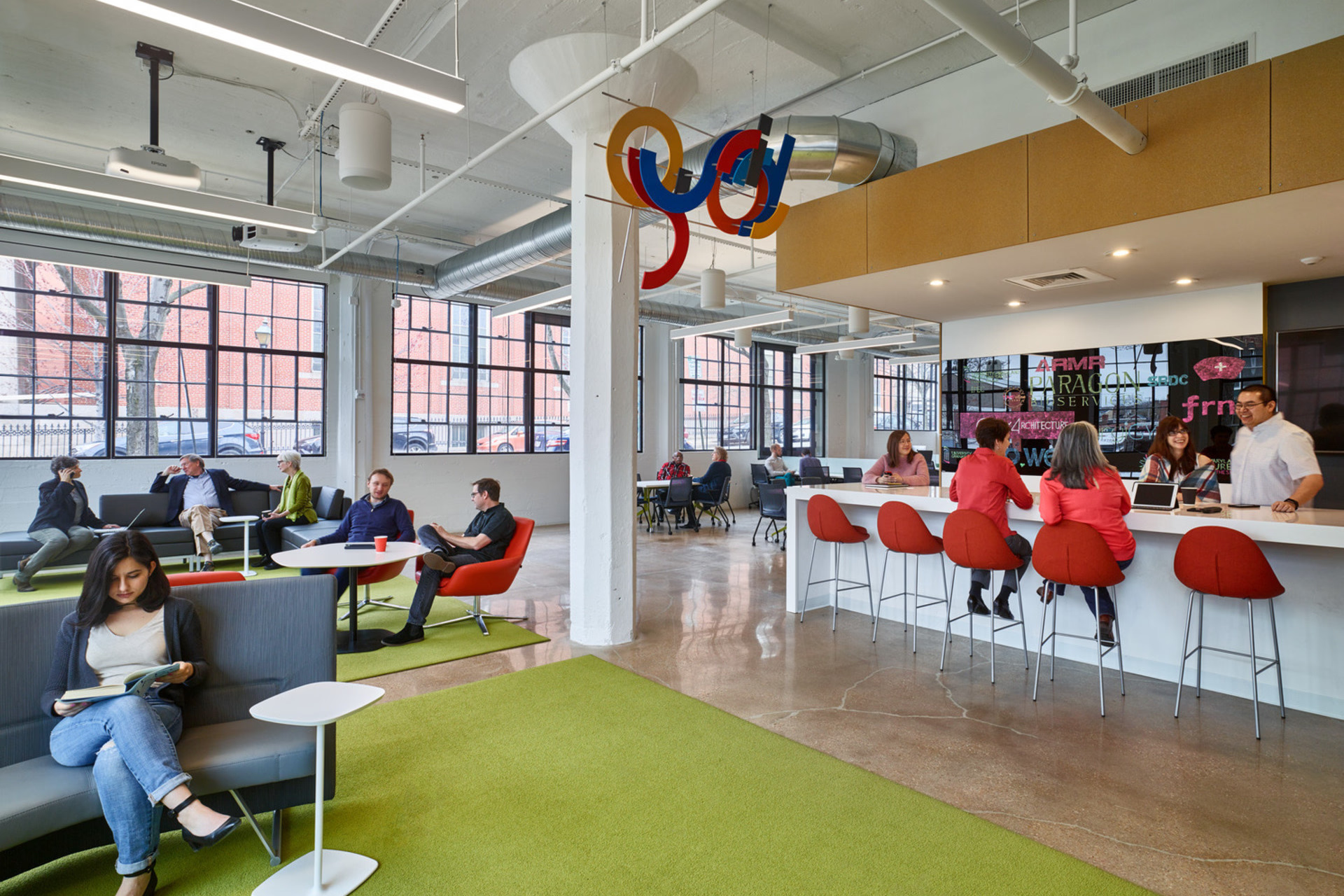
Lion Brothers Building
BALTIMORE, MARYLAND
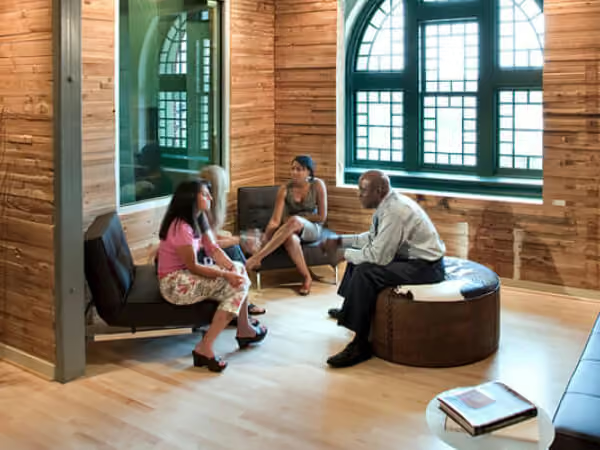
We transformed this vacant industrial building into vibrant workspaces for a variety of tenants. The core of the Lion Brothers complex was a livery stable dating to 1885. The Lion Brothers embroidery company acquired the stable and constructed numerous additions throughout the 20th century, resulting in a patchwork of poorly connected spaces. From this warren, we created a cohesive and efficient plan incorporating flexible and accessible office spaces, all with exposed historic elements.
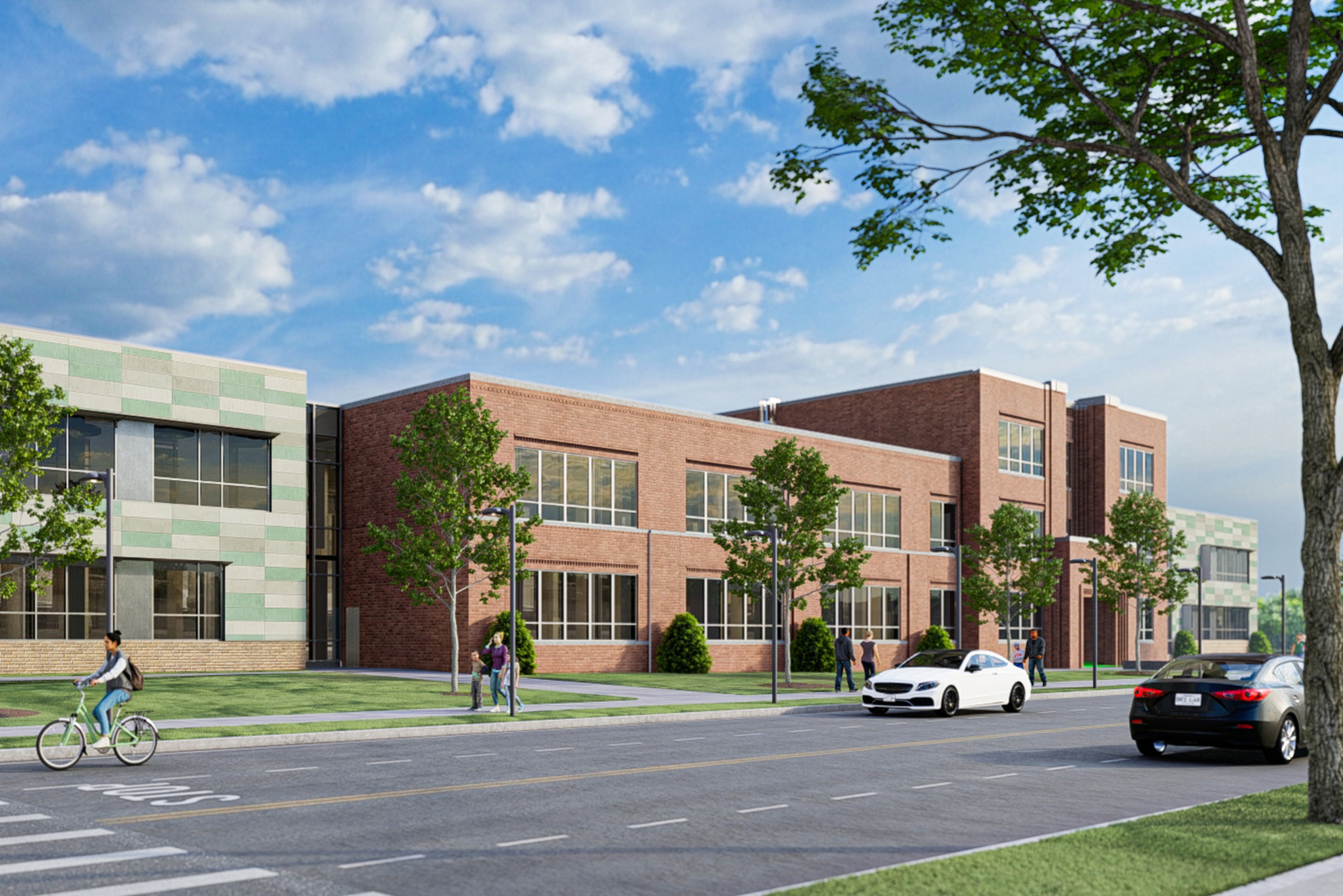
Huntington Miller Bailey Center
NEWPORT NEWS, VIRGINIA
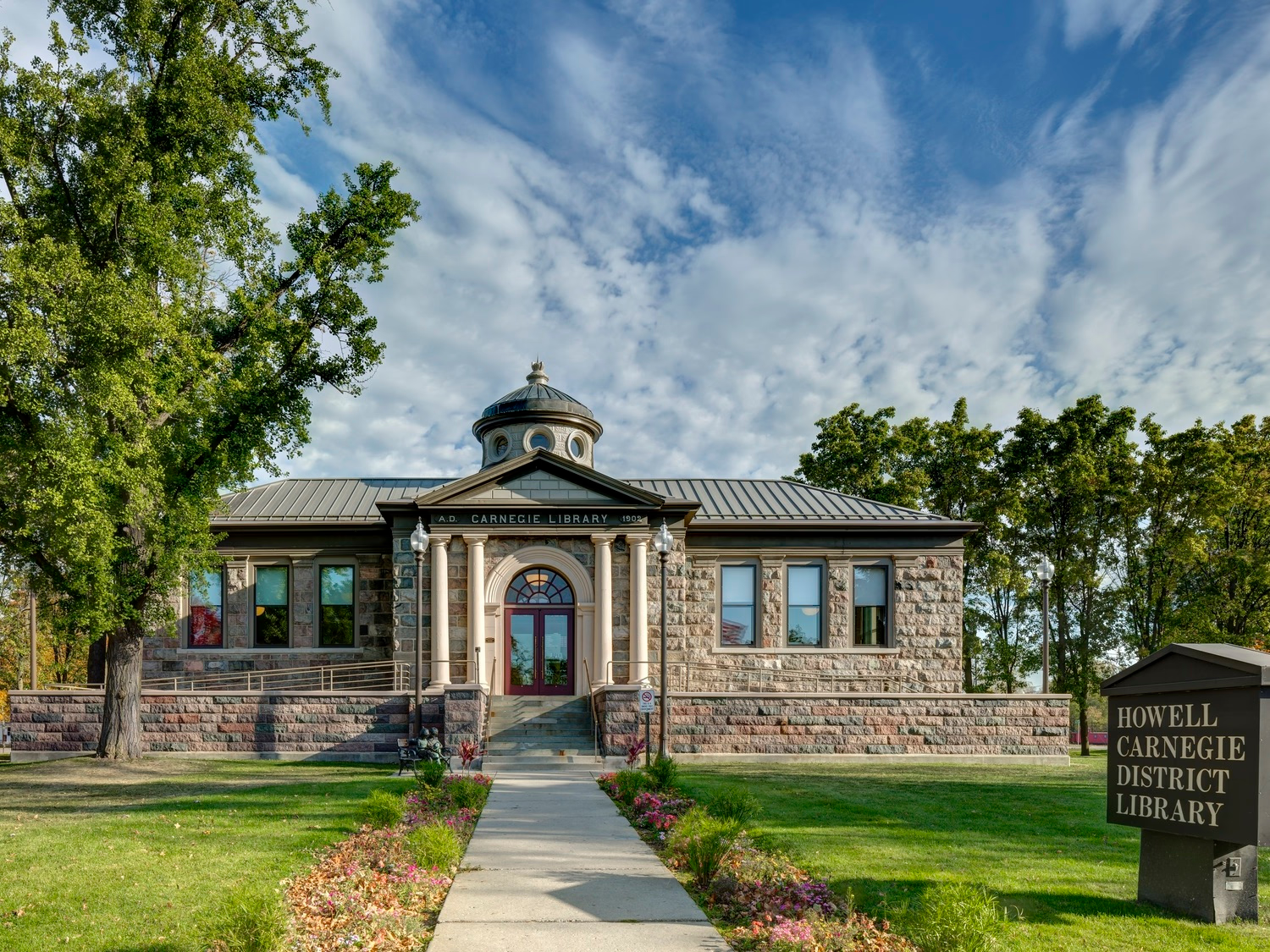
We’re reimagining the historic Huntington School for its next generation of service—this time as a combined library, recreation center, and community center. Dating to 1935, the building was originally a Black high school during the segregation era. While the historic school is no longer able to support a modern academic program, it is beloved by the Huntington community. Our design preserves the building’s historic core, recasting it as the entry to a combined community hub: the Pearl Bailey Library and Doris Miller Recreation Center.
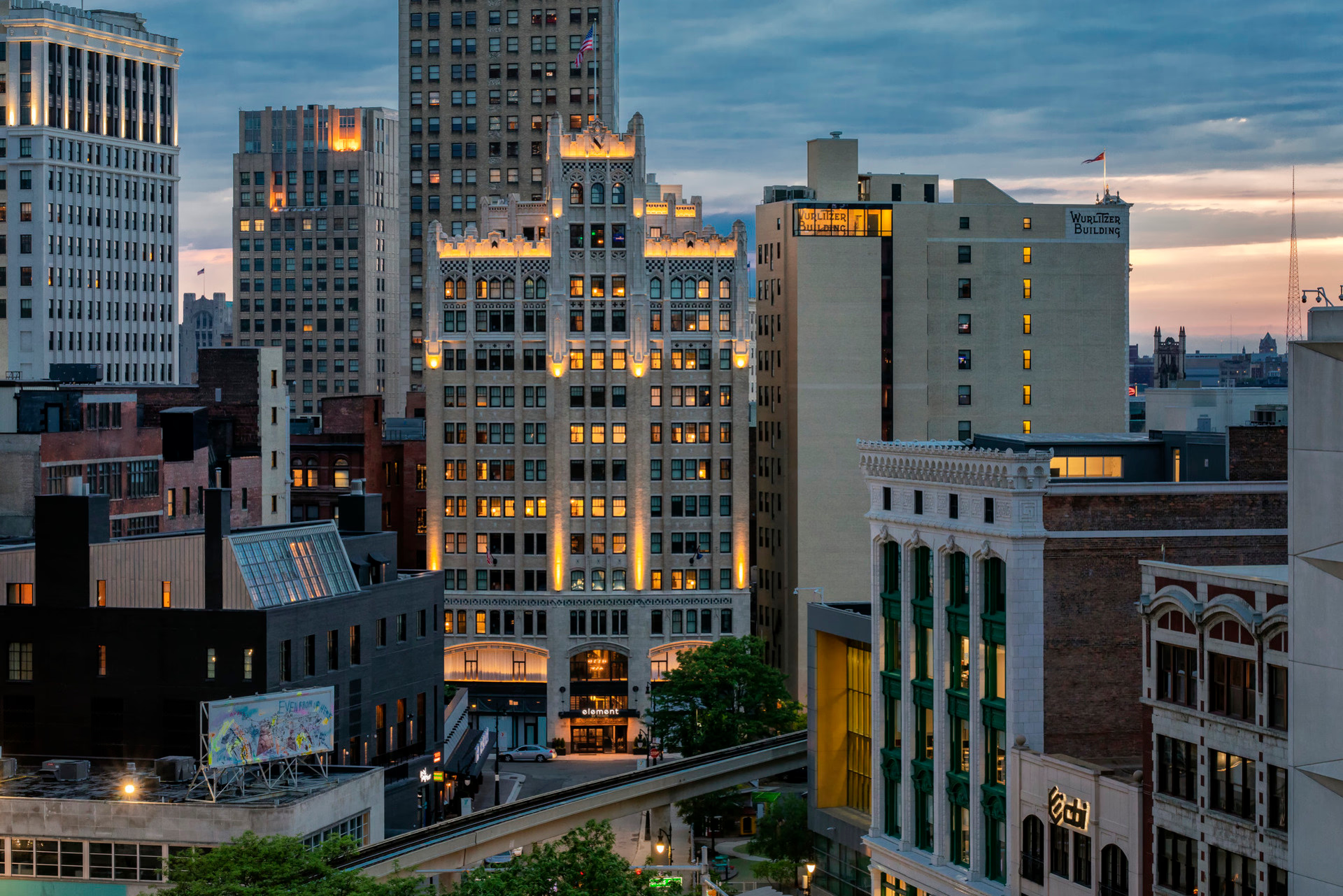
Element Detroit at the Metropolitan
DETROIT, MICHIGAN
Once downtown Detroit’s longest-vacant building, the renewed Metropolitan Building is a symbol of the city’s resurgence. Built in 1925, the Gothic Revival edifice originally housed a variety of fashion-related businesses, including five stories dedicated to jewelry and watch manufacturing. It later sat unused for nearly four decades until our team transformed it into a unique hotel inspired by the city’s rich history.
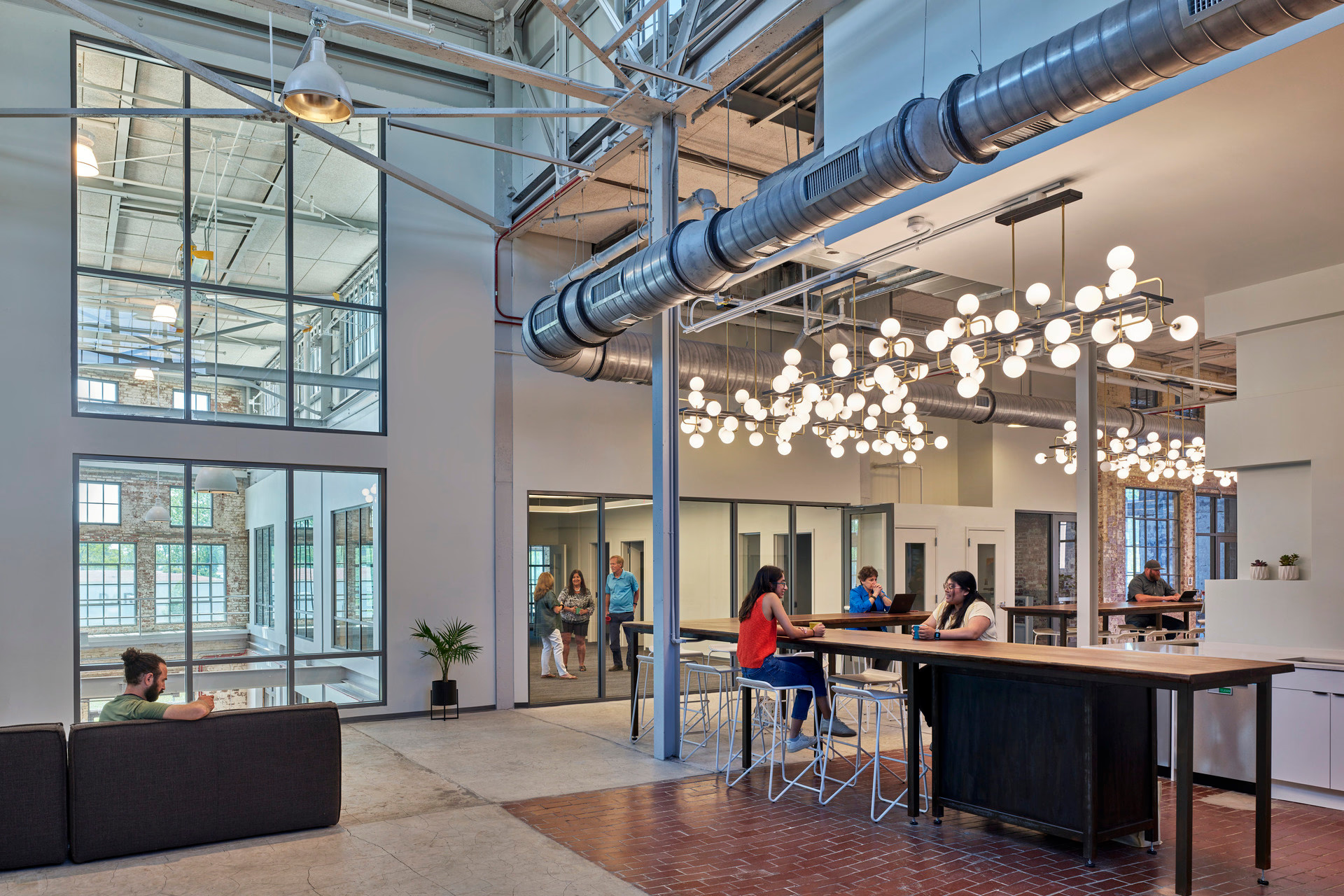
The Packing House
CAMBRIDGE, MARYLAND
Our transformation of a former canning factory into a modern commercial space supports businesses that are remaking the Eastern Shore’s economy. A fixture in Cambridge since 1920, the building belonged to the Phillips Packing Company—a titan in the canning industry that once employed a quarter of the town’s residents. The Packing House’s renewal is intended to foster regional economic opportunities connected to agriculture, aquaculture, environmental technologies, and tourism.
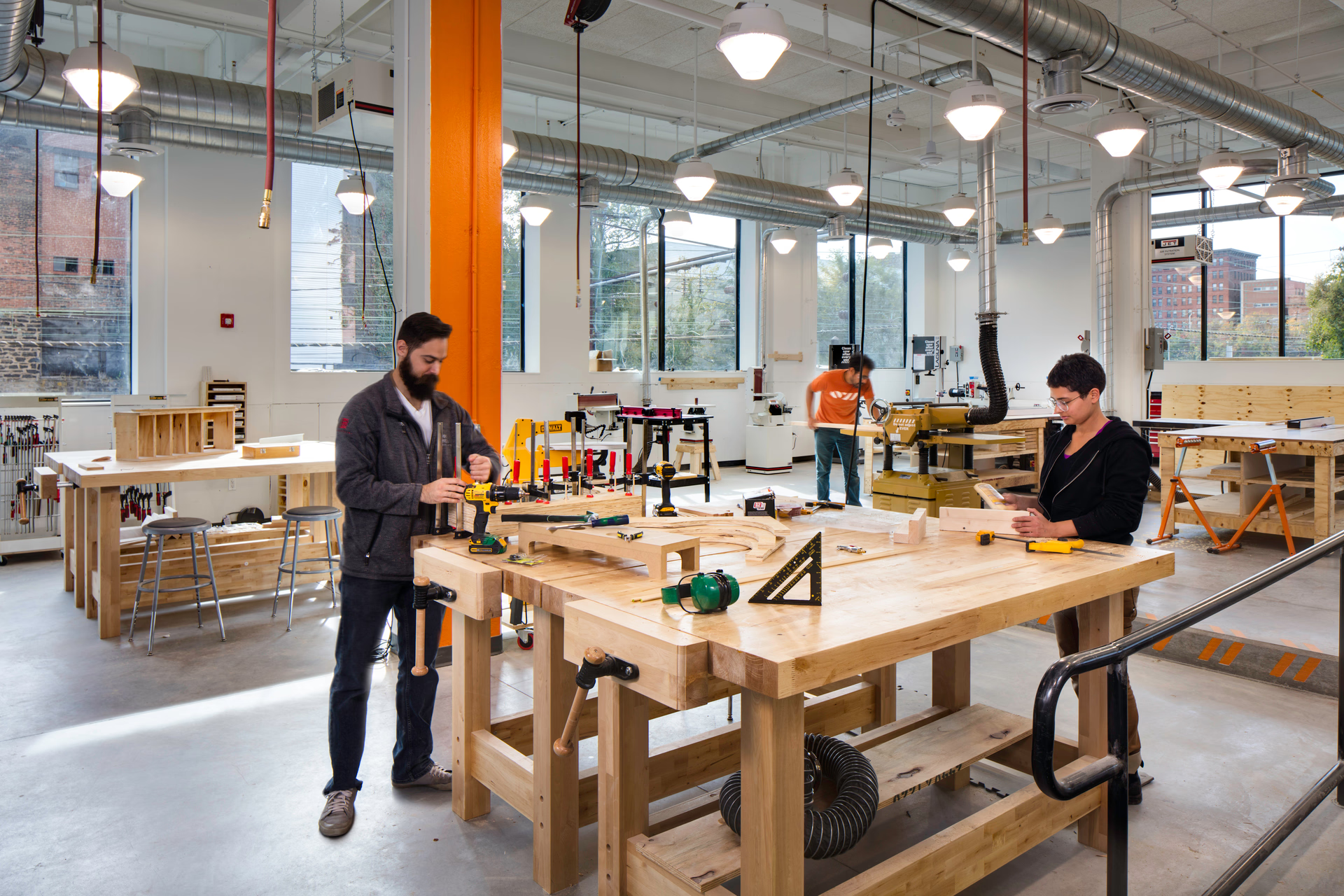
Open Works
BALTIMORE, MARYLAND
A Baltimore industrial building is now a community-oriented makerspace. The formerly fenced-off, contaminated site and dilapidated building have become a community asset, supporting Open Works’ mission to make tools and technology accessible to everyone. Our team worked with a nonprofit developer, local artists and artisans, and neighborhood residents to define a program that fulfills the community’s need for affordable studio space and small business support.
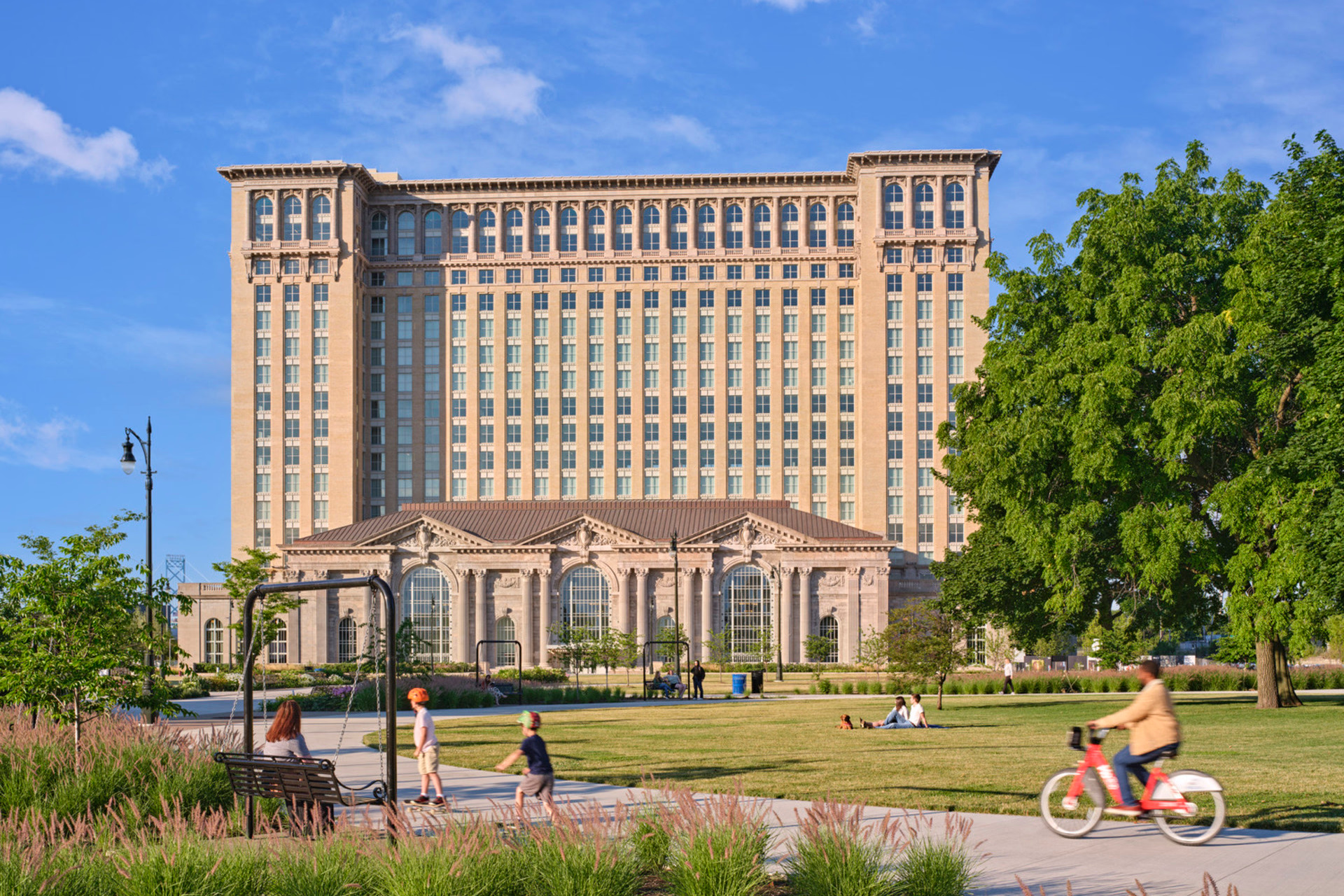
Michigan Central Station
DETROIT, MICHIGAN
What would a post about adaptive reuse be without a mention of Michigan Central Station? Collaborating closely with Ford, we led a multidisciplinary team of architects, engineers, historians, and conservation specialists to rehabilitate Detroit’s monumental 1913 train station into a dynamic mix of cutting-edge office, retail, and public spaces—connecting the city’s pioneering past to a promising future.
As we reflect on our nation’s journey from 1776 to today, we’re thinking about the role adaptive reuse has long played in our culture. While it aligns with contemporary priorities like sustainability, resource conservation, and equitable development, the repurposing of old structures is not a new concept; after all, every historic house museum (like Mount Vernon) was once a home, not a museum. In this way, adaptive reuse embodies the spirit of America250: celebrating America’s continuity and change across two and a half centuries.