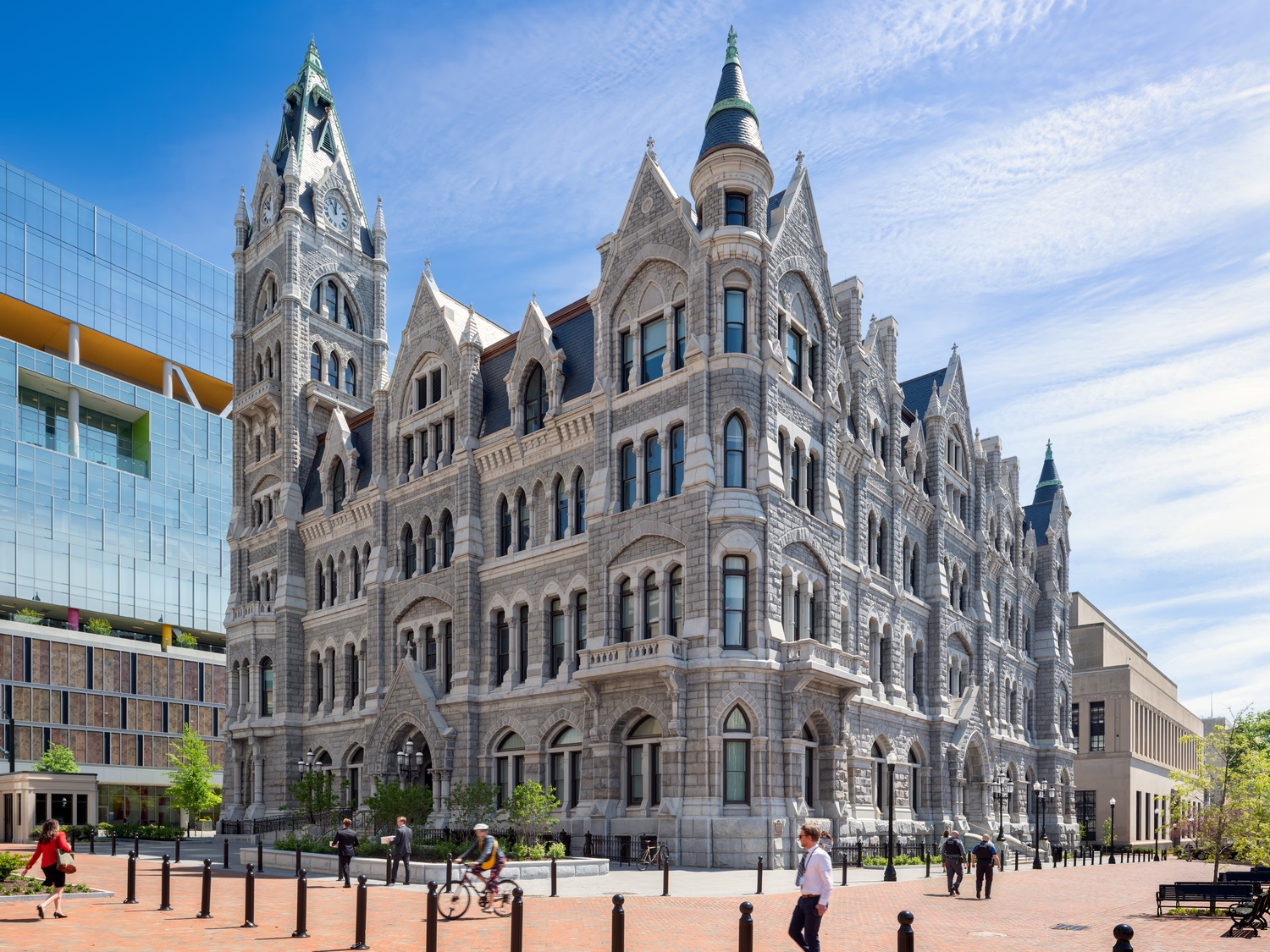
In the age of remote work, office spaces have to earn a commute. Done right, workspaces in historic buildings provide the top qualities that make workers want to come to the office.
The Covid-19 pandemic represented a sea change for many office workers, with many switching from fully in-person to fully remote work virtually overnight. Nearly six years later, cities are still grappling with the consequences of this shift. At a time when many of us can work from anywhere, do we still even need an office?
The data says yes. The monthly Survey of Working Arrangements and Attitudes (SWAA) finds that of employees who can work from home at least some of the time, more than a third come to the office every day anyway. While most workers prefer a hybrid arrangement, they still value the office as a place for collaborative tasks and socializing with peers.
What do workers want from an office? SWAA respondents cite:
- Quality of office space (59%)
- Ease of traveling to/from (53%)
- Equipment (52%)
- Location—nearby restaurants, shopping (34%)
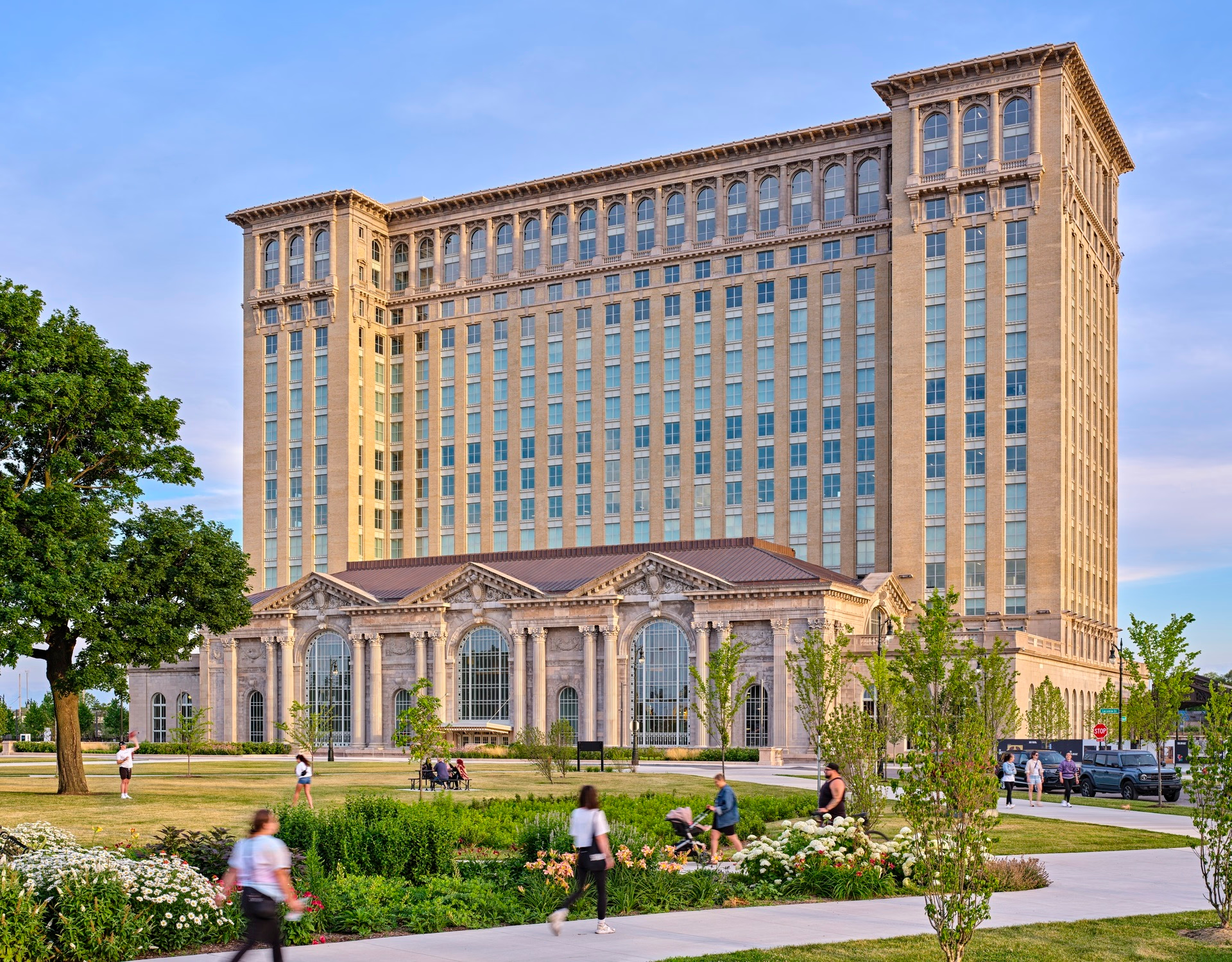
This is great news for offices in historic buildings, which tend to be located in walkable urban areas surrounded by transit and other businesses; they already check off two of employees’ top priorities. With a thoughtful renovation or adaptive reuse project, historic buildings can also deliver the number‑one thing workers want—a high‑quality workspace—with character and a sense of place that new construction just can’t match.
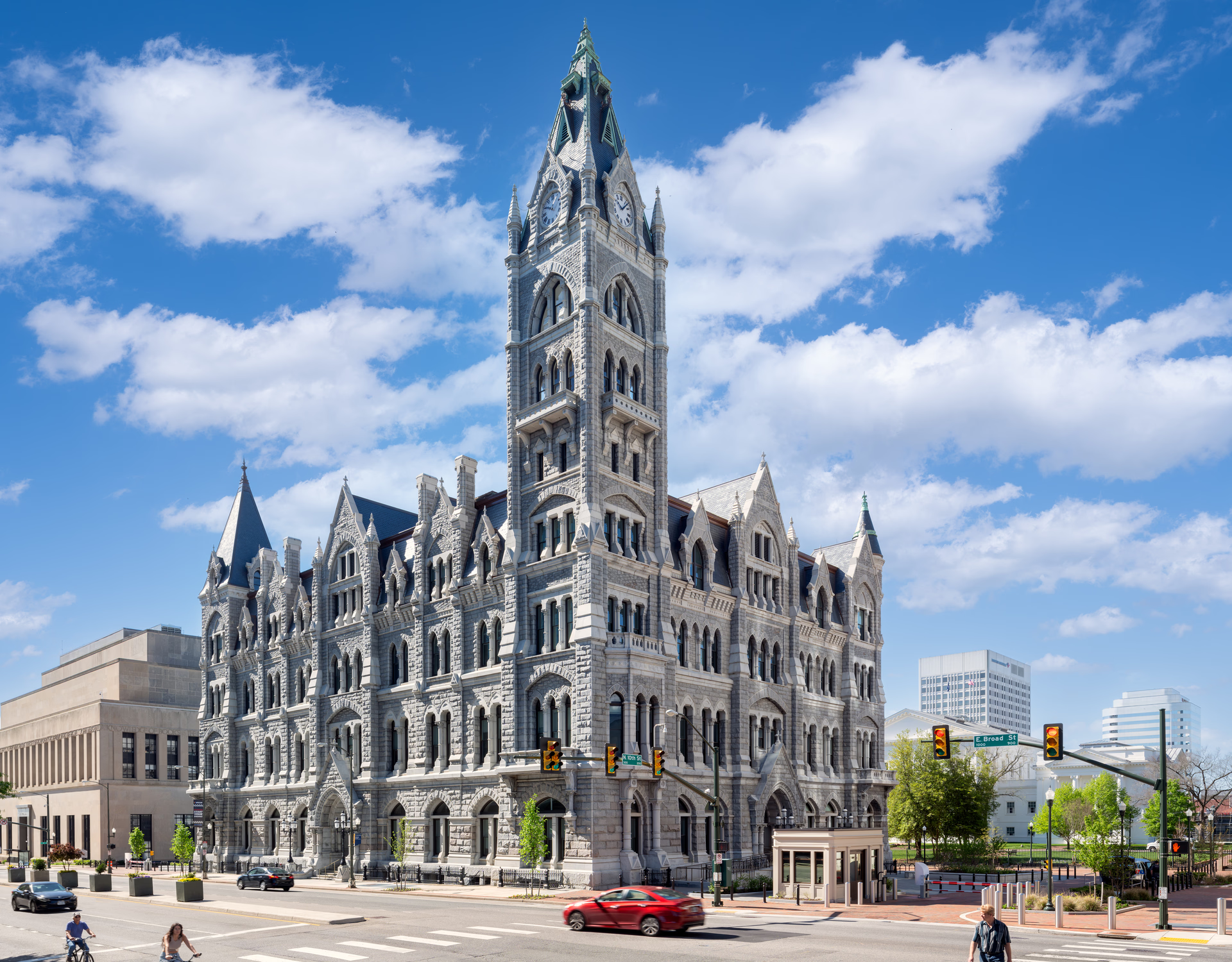
Design Challenges and Solutions for Offices in Historic Buildings
Creating great workspaces in historic buildings ultimately comes down to giving workers what they need to do their jobs effectively. This requires thoughtful listening, a deep understanding of the client’s existing workflows and their aspirations for the future, and the technical know-how to adapt the building accordingly.
With proper planning and coordination, everything a modern office needs can be integrated into an existing building footprint; success begins with defining the project and program that will bring the most value. That said, here are some common challenges we face in our work of renewing historic buildings and how we address them.
HISTORIC PRESERVATION
Buildings that are listed in local, state, or national historic registers, as well as those seeking funding through historic tax credits, are subject to historic preservation requirements. Establishing preservation zones—areas where interventions can be visible versus areas where they must remain discreet—early in the process helps guide decision‑making throughout the project. It’s important to understand what the building can support and develop a program that plays to its strengths while mitigating its weaknesses.
ACCESSIBILITY
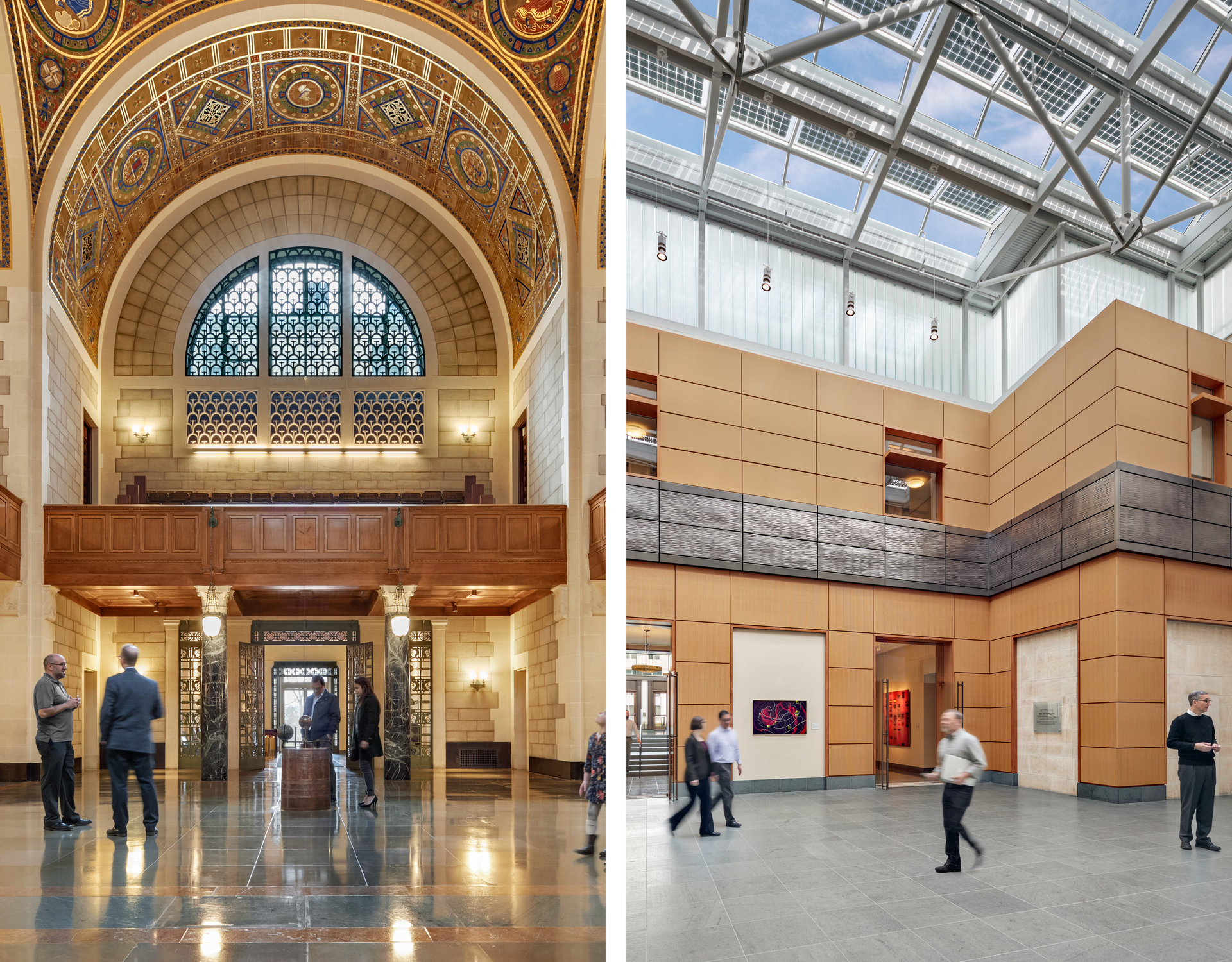
In every project, accessibility is non‑negotiable—but historic buildings were rarely originally designed with it in mind, and they present different challenges for its incorporation than new construction. We work to achieve truly inclusive designs that support humans in all our diversity. Addressing barriers at entrances, restrooms, circulation, and vertical access improves the functionality of the building for everyone.
THERMAL COMFORT
Older structures often suffer from thermal comfort issues, which can be caused by deficiencies in the building envelope, outdated HVAC systems, or subdivided spaces with insufficient airflow. Upgrading the envelope through better insulation and improved windows can dramatically boost comfort. New systems can be concealed or left exposed depending on the project’s aesthetic goals and preservation requirements.
DAYLIGHTING
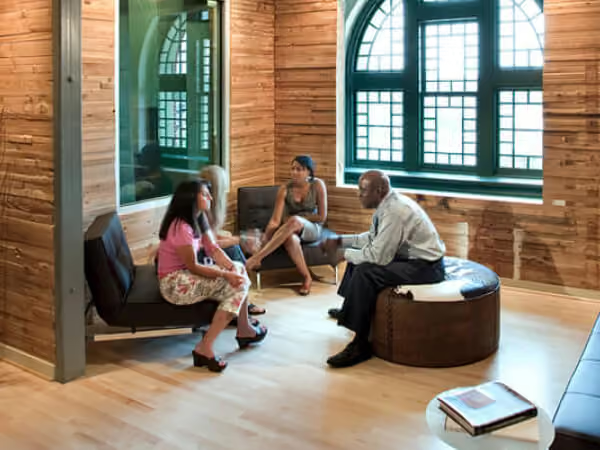
In addition to reducing indoor energy use, daylight promotes circadian health. Historic buildings often have generous window openings and high ceilings, but internal subdivisions or low dropped ceilings may limit its reach. Reintroducing daylight improves employee wellness and productivity—not to mention emphasizing historic details.
ACOUSTICS
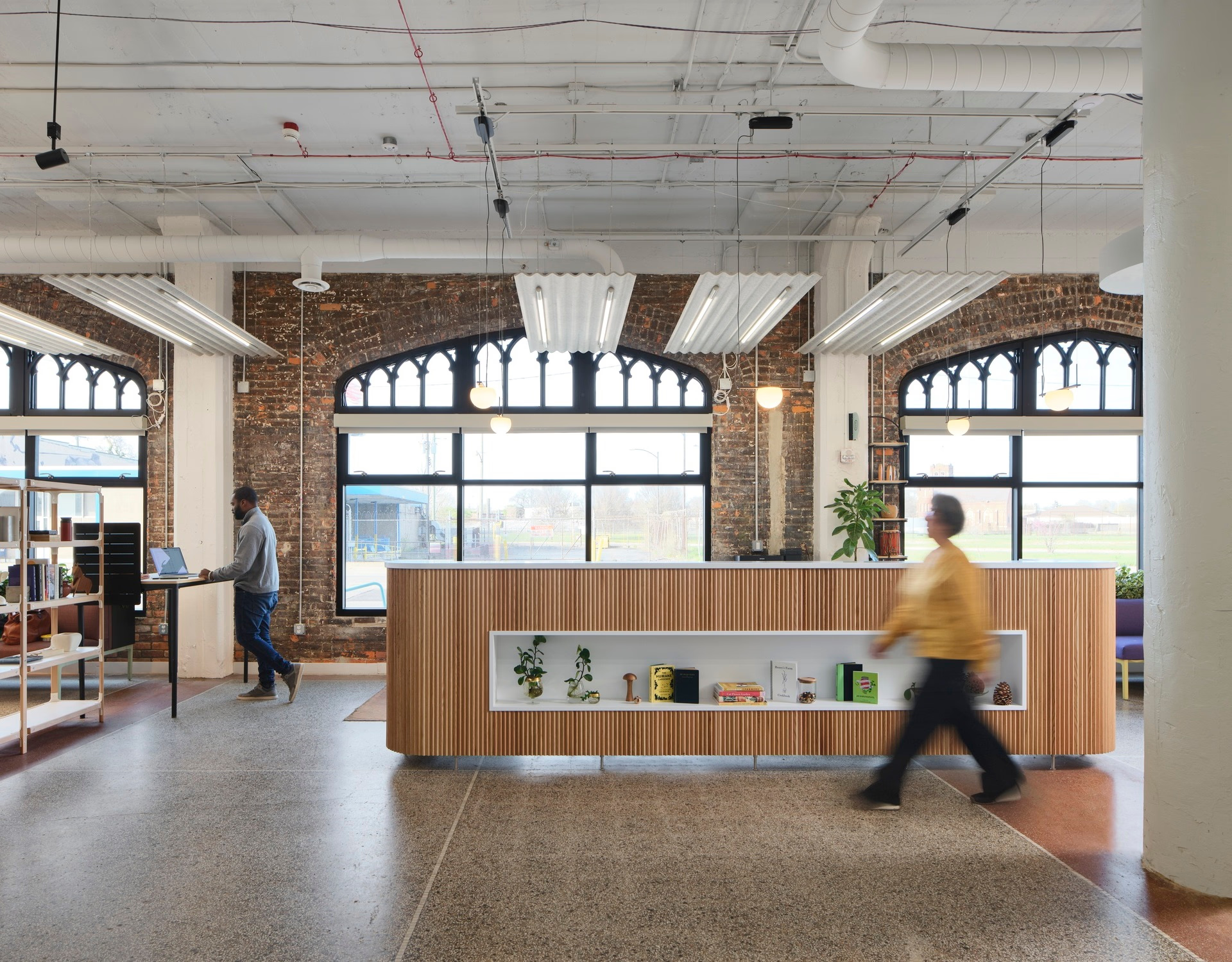
The large rooms, high ceilings, and plaster surfaces that give historic buildings their character can also cause sound to travel, making open offices in these buildings noisy. Solutions include incorporating sound-dampening acoustic panels and textiles as well as providing small, enclosed spaces for quiet tasks or phone calls.
VARIETY
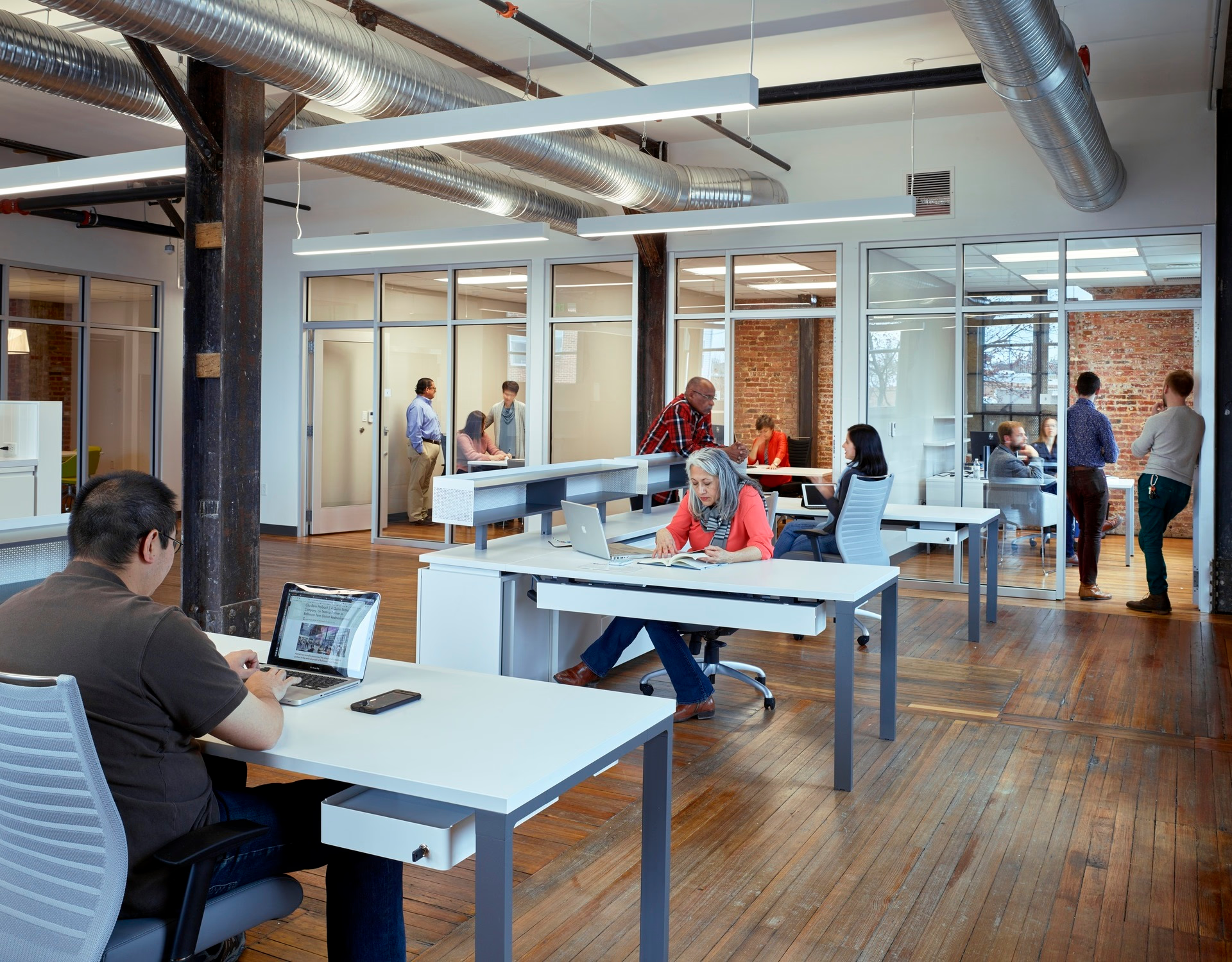
Historic buildings were often designed for one type of work, with either a series of private offices or one large, shared space. Today, we recognize that people are most productive when they can access a space suited to the task at hand. While many employers prefer open offices because they make efficient use of space, they should be supplemented with a variety of enclosed collaboration rooms, areas for quiet work, and social spaces.
FLEXIBILITY
While we can’t predict how people will be working 50 or 100 years from now, we hope the historic buildings we renew today will still be in use. Because the trend for several decades has been toward ever-more equipment and technology, we can plan for the unknown by providing abundant infrastructure for power and data connections.
BUDGET
Renovating historic buildings may come with unknowns, but experienced preservation architects can anticipate many conditions hidden behind old walls. Financial tools like historic tax credits and new markets tax credits can significantly offset costs, while sustainable strategies like envelope and systems improvements save money on energy.
What’s Old Is New
Despite the widespread adoption of remote work during the Covid-19 pandemic, employees still want an office for tasks that just can’t be performed as well from the couch. The workspace is still a recruitment and retention tool that signals an organization's values. A character-filled office in a historic building demonstrates a commitment to place, sustainability, and connection—all while providing employees with the spaces and tools they need to do their best work today and beyond.