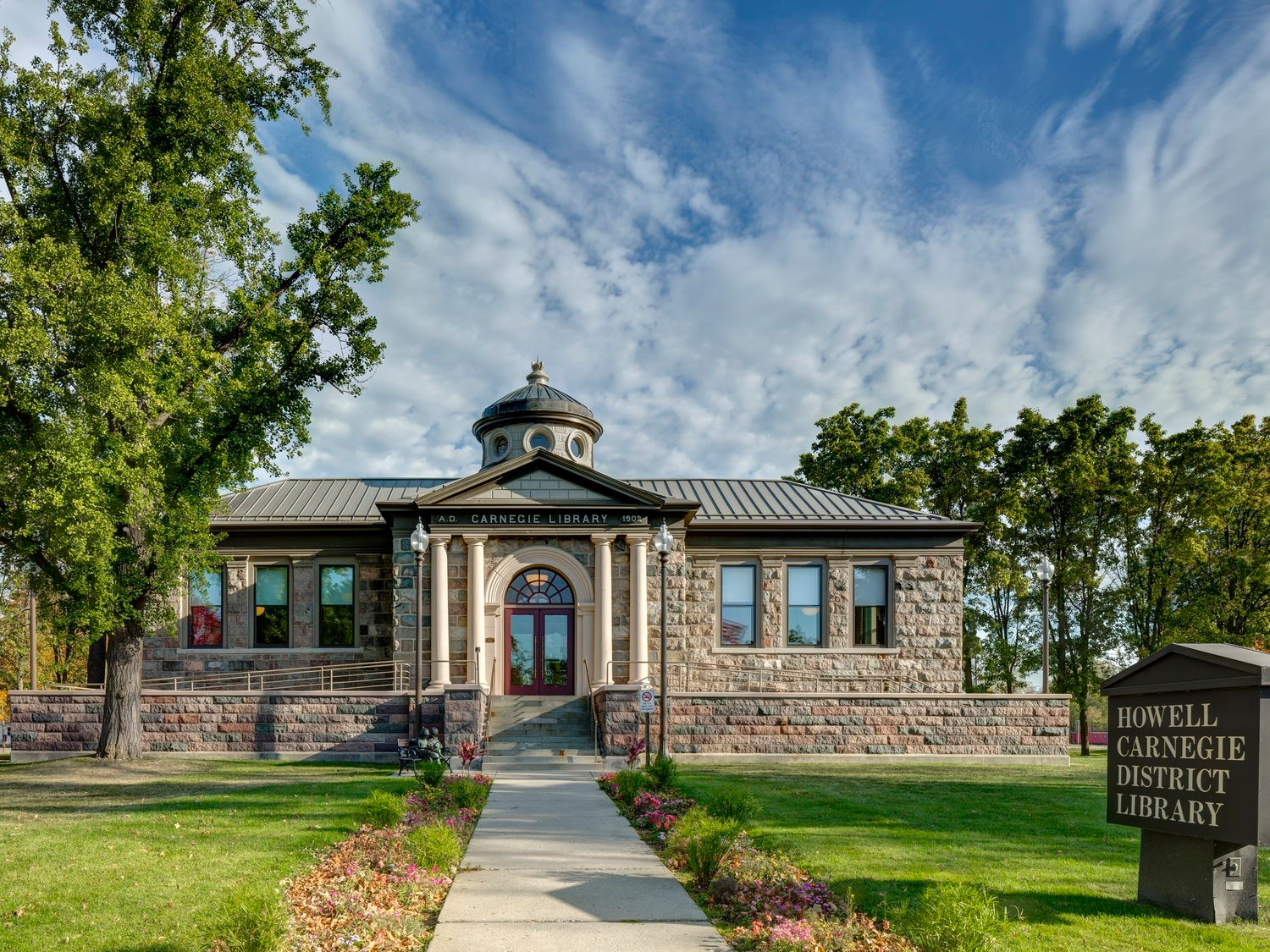
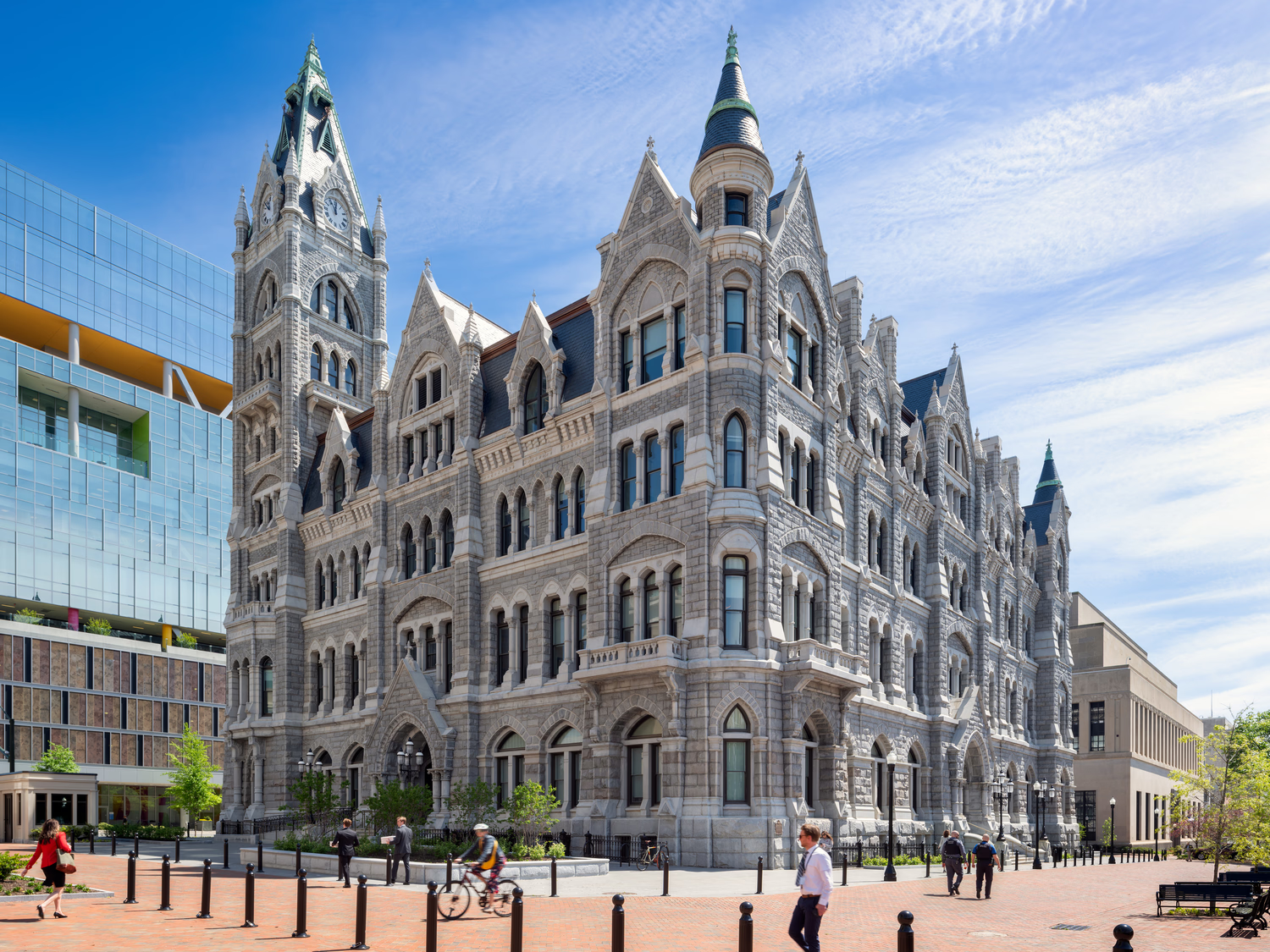
Mixed-use development is having a moment. Last month, New York’s City Council unveiled plans to build affordable housing on top of three existing libraries, shining a light on mixed-occupancy buildings—structures that serve more than one use as defined by building and life safety codes. While the model feels contemporary, mixed-use buildings have deep historical roots. We’re refining this traditional architectural form to meet complex social, economic, and regulatory demands.
.avif)
Tradition, Reimagined
The concept of combining different uses within one structure goes back millennia. Ancient Roman insulae—multi-story apartment blocks where most city-dwellers lived—included ground-floor shops. In medieval Europe, merchants’ houses often featured storefronts. And across Asia, shophouses continue to provide street-level retail space with living quarters for the shopkeeper above. These mixed-use buildings have long formed the backbone of dense, walkable neighborhoods.
Today, mixed-use buildings are not limited to retail and housing; we’ve designed buildings that combine housing with a food hall, a community college culinary program, and a library—like New York City’s proposed projects.
.avif)
The Benefits of Mixed-Use Development
Mixed-occupancy buildings offer a compelling mix of social, economic, and environmental advantages.
WALKABILITY AND COMMUNITY VITALITY
By co-locating multiple functions, mixed-use environments reduce dependence on automobiles and encourage more pedestrian-friendly neighborhoods. In addition, when people can live, work, and access services in the same area, streets remain active throughout the day and into the evening. This constant activity contributes to safe, vibrant urban spaces.
SOCIAL CONNECTIVITY
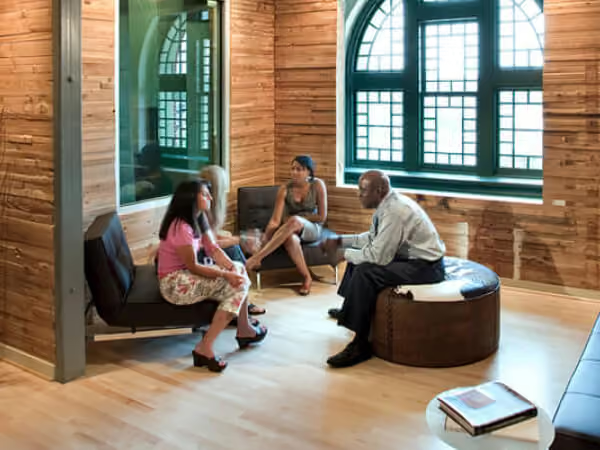
Mixed-use developments bring together different user groups—such as residents, workers, and visitors—within a shared environment. This proximity fosters casual interaction and strengthens community cohesion. Whether through shared plazas, cafes, or public amenities, these projects create opportunities for engagement that single-use developments can’t match.
.avif)
EFFICIENCY
In dense urban areas, efficient use of land is critical. By stacking uses vertically and integrating infrastructure, mixed-use projects maximize limited space. Elements like parking and green space can often be shared across multiple tenants, which simultaneously reduces redundancy, improves overall efficiency, and lowers development costs.
ECONOMIC RESILIENCE
From a financial perspective, mixed-use developments diversify revenue streams. Retail, residential, office, and cultural tenants each respond differently to market shifts, helping stabilize the owner’s income over time. This diversification can make projects more resilient and attractive to investors.
.avif)
Key Considerations in Mixed-Occupancy Design
While the benefits are significant, designing mixed-use buildings requires thoughtful navigation of technical, regulatory, and operational challenges.
ZONING AND REGULATORY COMPLIANCE
Local zoning codes play a major role in determining what combinations of use are permissible. Building height restrictions, floor area ratios, parking requirements, and use classifications vary significantly by jurisdiction. Early coordination with local authorities is essential to align the project vision with regulatory constraints.
FIRE AND LIFE SAFETY
One of the most critical aspects is ensuring safety across different occupancy types. Per the International Building Code, each use—whether residential, assembly, retail, or institutional—carries unique risks and requirements. Successfully combining occupancy types requires careful coordination of structure, fire separation assemblies, egress systems, and building services.
ACCESS AND CIRCULATION
Entrances and circulation paths must be clearly separated by use, particularly for uses that primarily serve children (such as schools and daycares). Distinct lobbies, vertical circulation cores, and security systems help maintain privacy and safety while ensuring each user group has an appropriate experience.
.avif)
MAXIMIZING REVENUE OPPORTUNITIES
Mixed-use projects create opportunities to introduce new revenue streams beyond traditional leasing. Cultural and institutional buildings can incorporate revenue-generating amenities such as restaurants, retail kiosks, or event spaces. A museum café or a performance venue bar, for instance, can activate a space while contributing financially to operations.
PHASED CONSTRUCTION
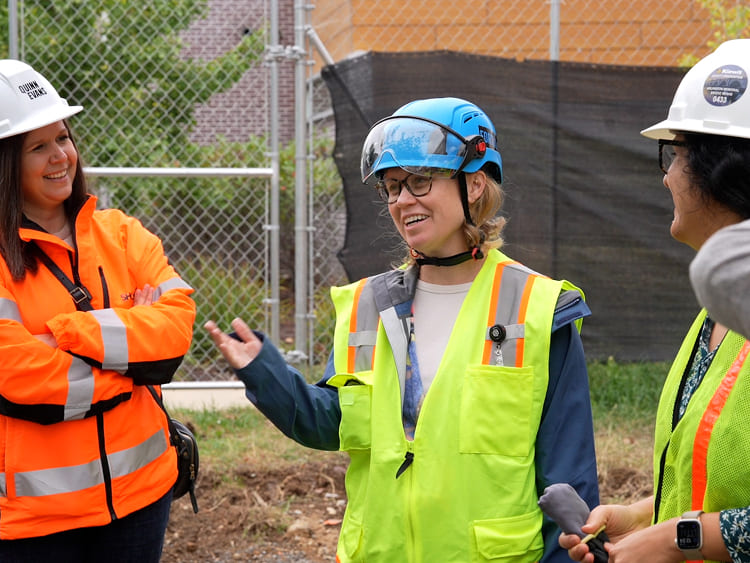
For large-scale projects, phased construction can be a powerful tool. By planning construction in stages, developers can open portions of a project—such as public or retail areas—earlier, generating activity and revenue while later phases are completed. In a financial landscape of ever-increasing development costs, phased construction can be a valuable lifeline for making a development viable.
.avif)
Designing for the Future
Mixed-use and mixed-occupancy buildings are more than a trend—they represent a fundamental shift in how we think about urban space. By integrating diverse functions into cohesive environments, we create places that are not only efficient, but also vibrant, resilient, and deeply connected to their communities.
As cities continue to grow and evolve, the ability to design for multiple uses within a single structure will only become more important. With the right balance of creativity, technical expertise, and strategic planning, mixed-use design offers an opportunity to build enduring places that make our cities stronger.
Fixing up an old building? Check out our series on historic tax credits!