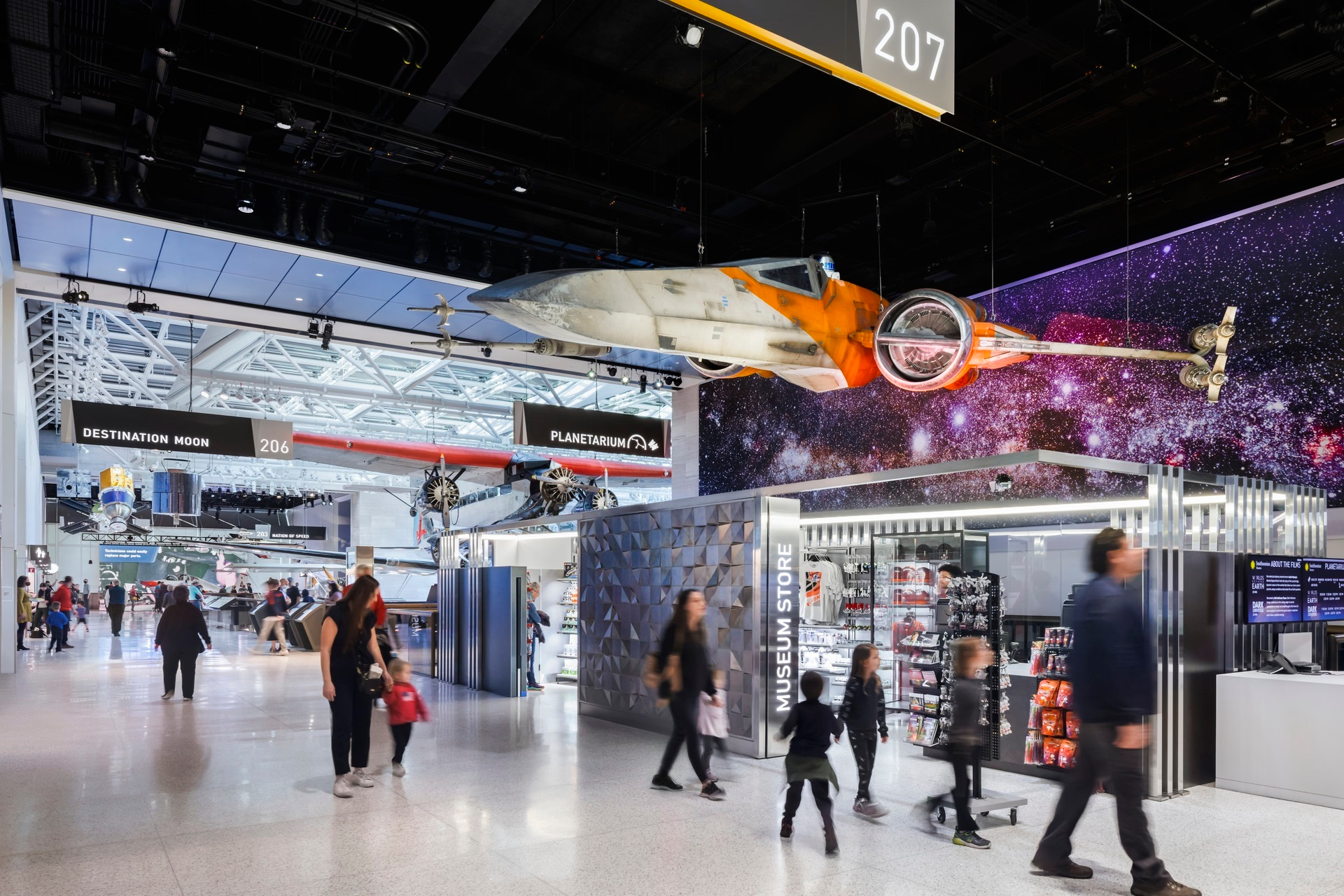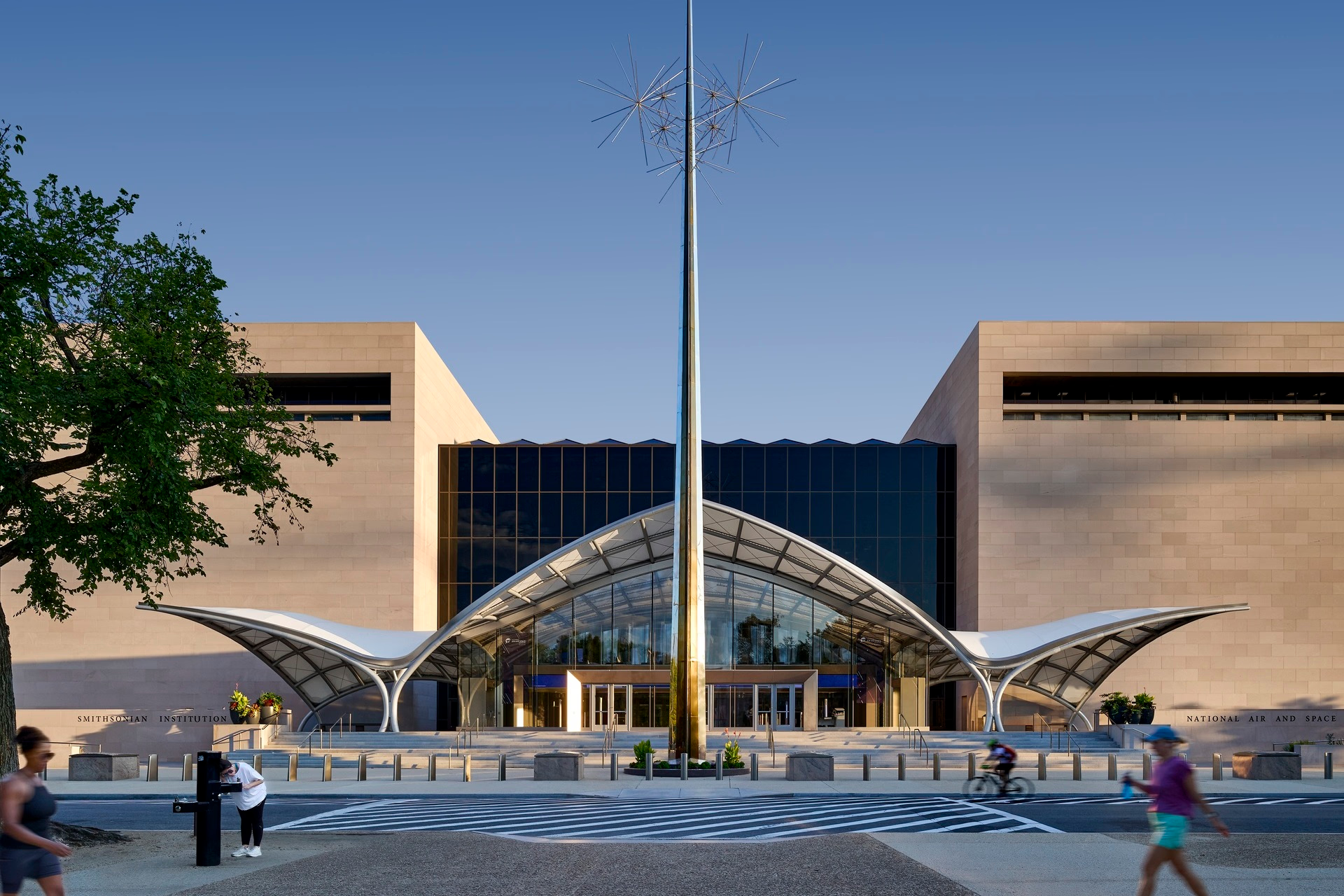
The National Air and Space Museum marked the 50th anniversary of its National Mall building on July 1 by reopening five inspiring galleries with all-new exhibits: the Flight and the Arts Center, Jay I. Kislak World War II in the Air, U.S. National Science Foundation Discovering Our Universe, RTX Living in the Space Age, and Textron How Things Fly.
Originally opened in 1976, the iconic museum is wrapping up a seven-year renovation—the largest in the Smithsonian Institution’s history—that has transformed both the building and visitor experience. For more than a decade, Quinn Evans has led the design to modernize the Washington landmark, with Clark Smoot Consigli beginning construction in 2018. The comprehensive renewal has touched every part of the 687,000-sf museum and added new visitor amenities.
A major project goal was to respect and maintain original architect Gyo Obata’s design intent, including that suspended aircraft be viewed against the sky, while upgrading the museum for modern needs. "Careful and thoughtful attention to the National Mall context and original design was required to balance Smithsonian's stewardship responsibilities with its need to renew the building's systems, protect the collections, and enhance the visitor experience for the long term,” says Tom Jester, FAIA, FAPT, LEED AP.
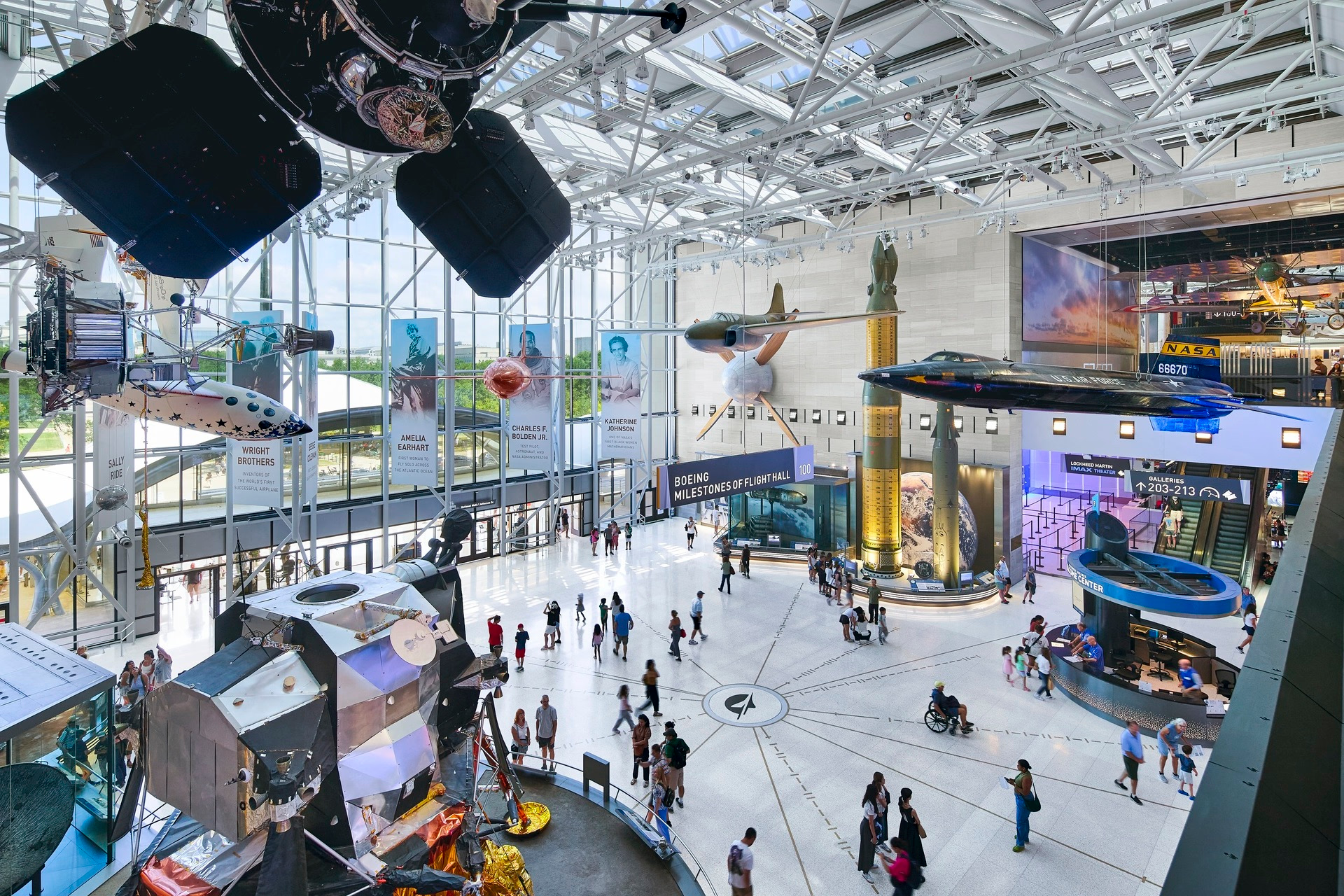
The all-new building envelope is integrated with advanced engineering systems and infrastructure. These upgrades will both improve environmental conditions to protect the museum’s iconic artifacts and cut the building’s energy use in half. “Controlling temperature, humidity, and light levels in the atrium galleries was a herculean task, and we couldn’t have solved it without advanced energy and daylight modeling,” says Leora Mirvish, FAIA, LEED AP BD+C. “Based on rigorous analysis, we developed a holistic solution where the glazing, mechanical system, insulation, and a new shading system work together to protect the artifacts and improve the experience for the millions of visitors who come to see them.”
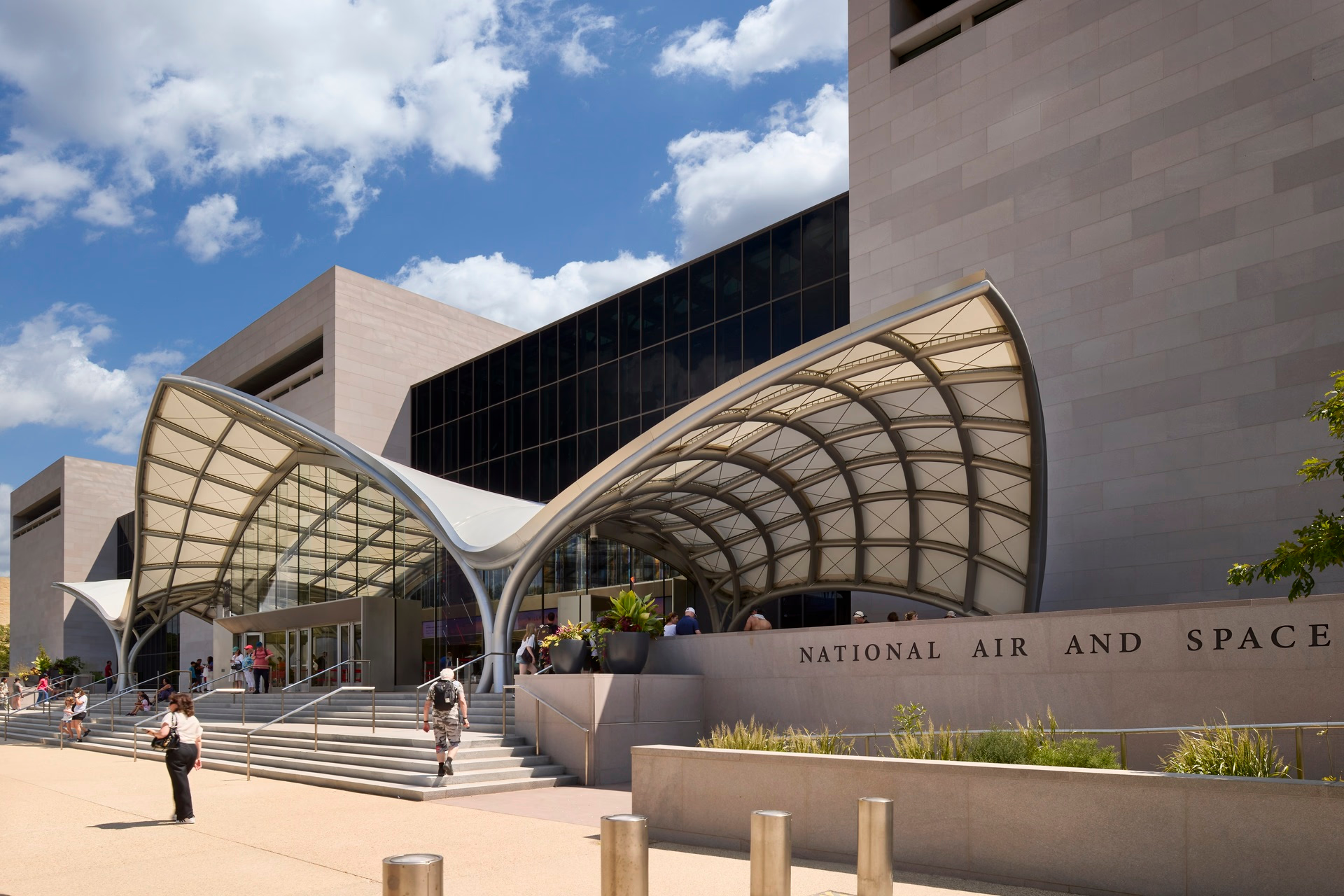
A bold new entrance pavilion on the National Mall, inspired by early flying machines and deep space exploration, embodies the museum’s mission to commemorate, educate, and inspire. The striking addition transforms the way visitors enter the building, with sloped walkways for accessibility and integrated security screening that establishes a sense of openness while protecting the public and collections. “This approach creates a seamless and dignified entry sequence that increases comfort for all visitors, while also establishing a critical buffer that helps stabilize environmental conditions and strengthen security for the galleries beyond,” says Colin MacKillop, AIA, LEED AP, CDT. “Through close collaboration with the Smithsonian’s curators, researchers, and protective services leadership, we crafted a solution tailored to this iconic museum that allows its irreplaceable artifacts to inspire future generations in a safe and welcoming place for all to enjoy.”
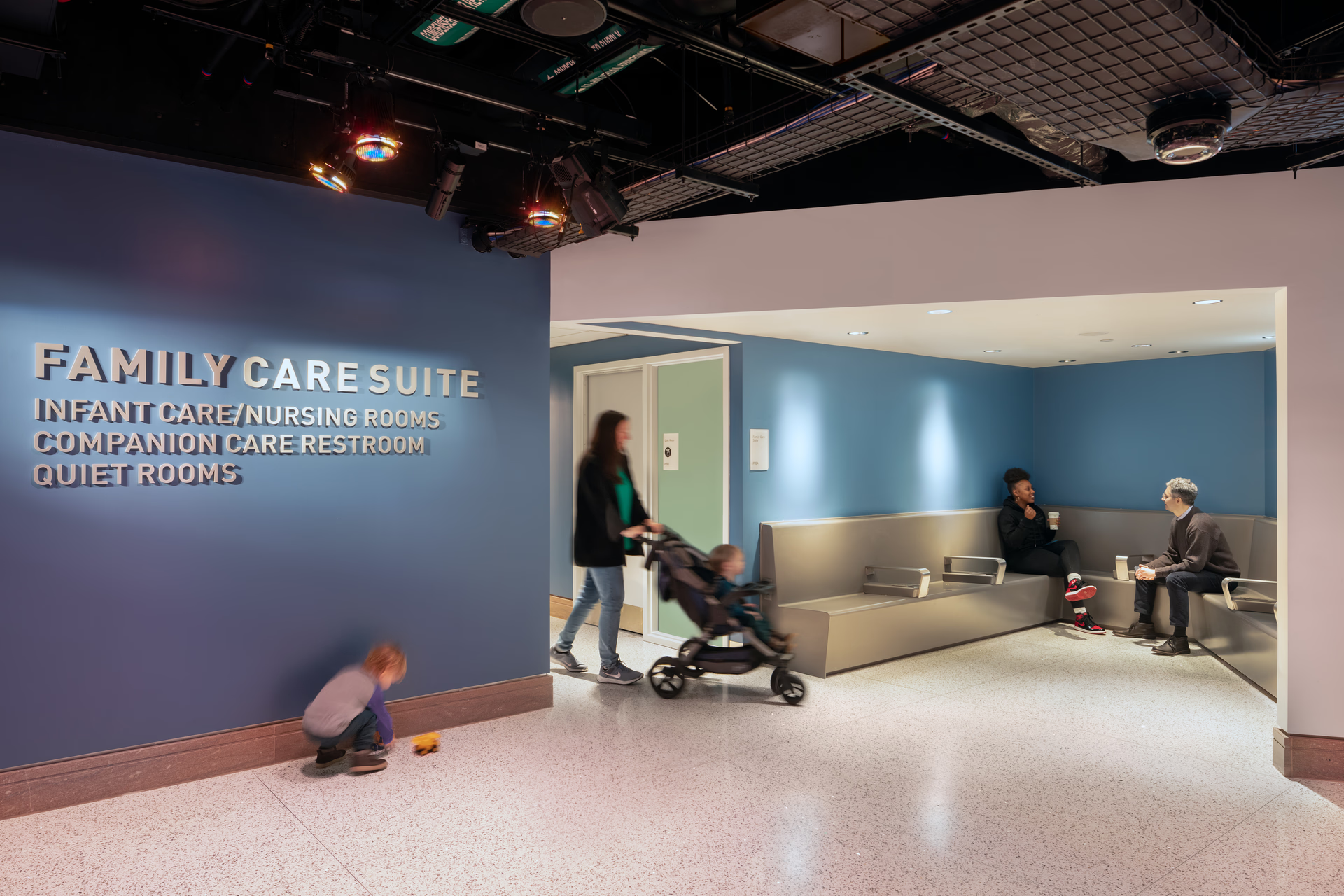
The lower level features a new cafe and Family Care Suite with caregiver amenities including nursing rooms, a decompression room, and a companion care toilet. “This modernization was as much about upgrading the visitor experience as it was about solving technical challenges,” says Maureen Vosmek, Fitwel Amb. “Those two issues were very intertwined in this project, and many of our design moves addressed both. The Mars Café and Family Care Suite provide further support for guests to experience and enjoy the museum.”
The first phase of the renovation, encompassing eight galleries, the planetarium, and the café, opened in 2022. Five more galleries, the Lockheed Martin IMAX Theater, and the new vestibule followed in 2025. When the two remaining galleries debut this fall, the revitalized museum will be completely open to the public and ready for its next 50 years of service.
About Quinn Evans
Quinn Evans, the AIA Architecture Firm Award winner for 2024, provides services in architecture, interior design, planning, landscape architecture, urban revitalization, and historic preservation, including sustainable preservation and stewardship. A certified Women’s Business Enterprise, the firm employs more than 180 professionals in six office locations in Ann Arbor and Detroit, Michigan; Baltimore, Maryland; Madison, Wisconsin; Richmond, Virginia; and Washington, DC.
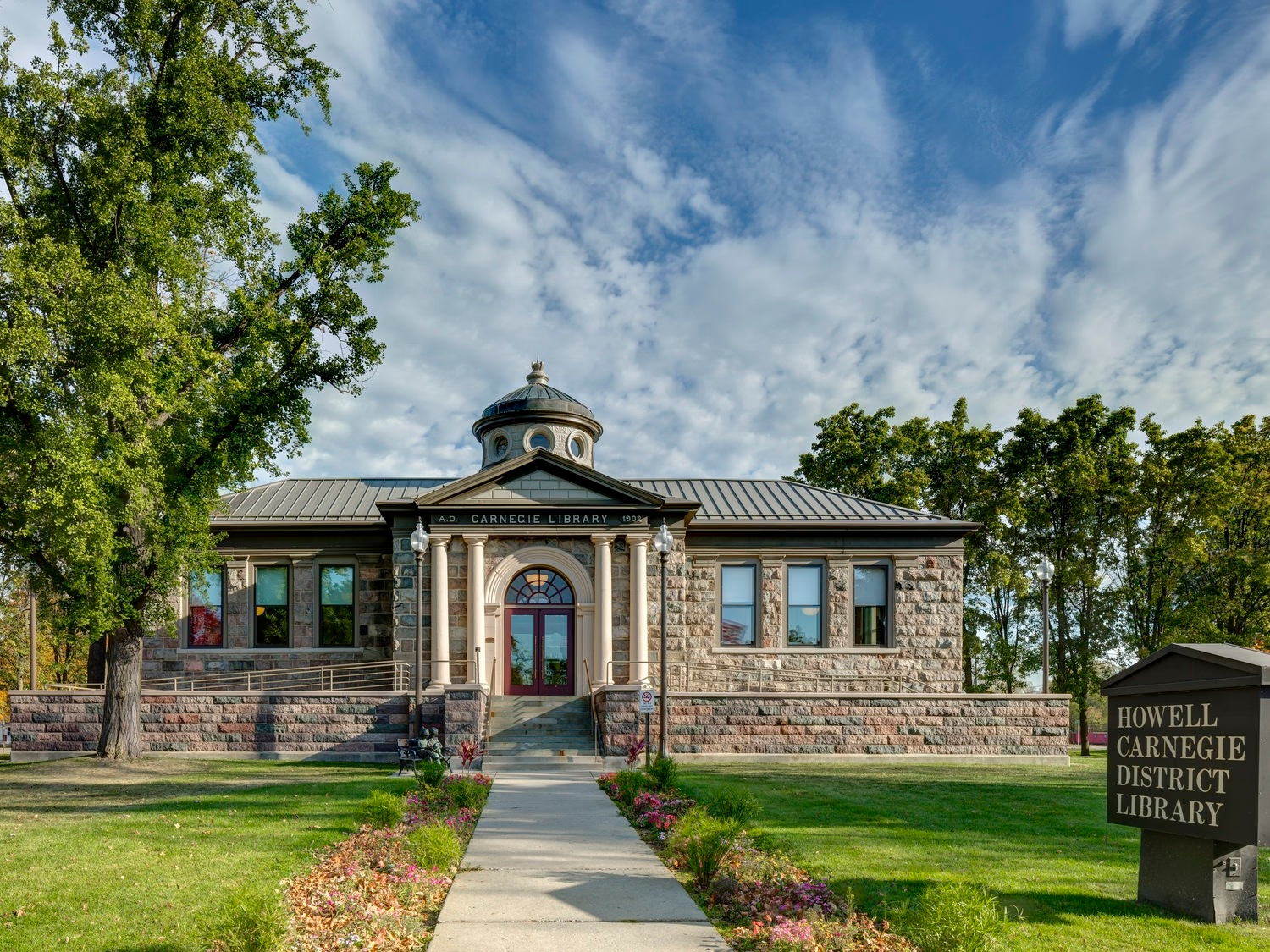
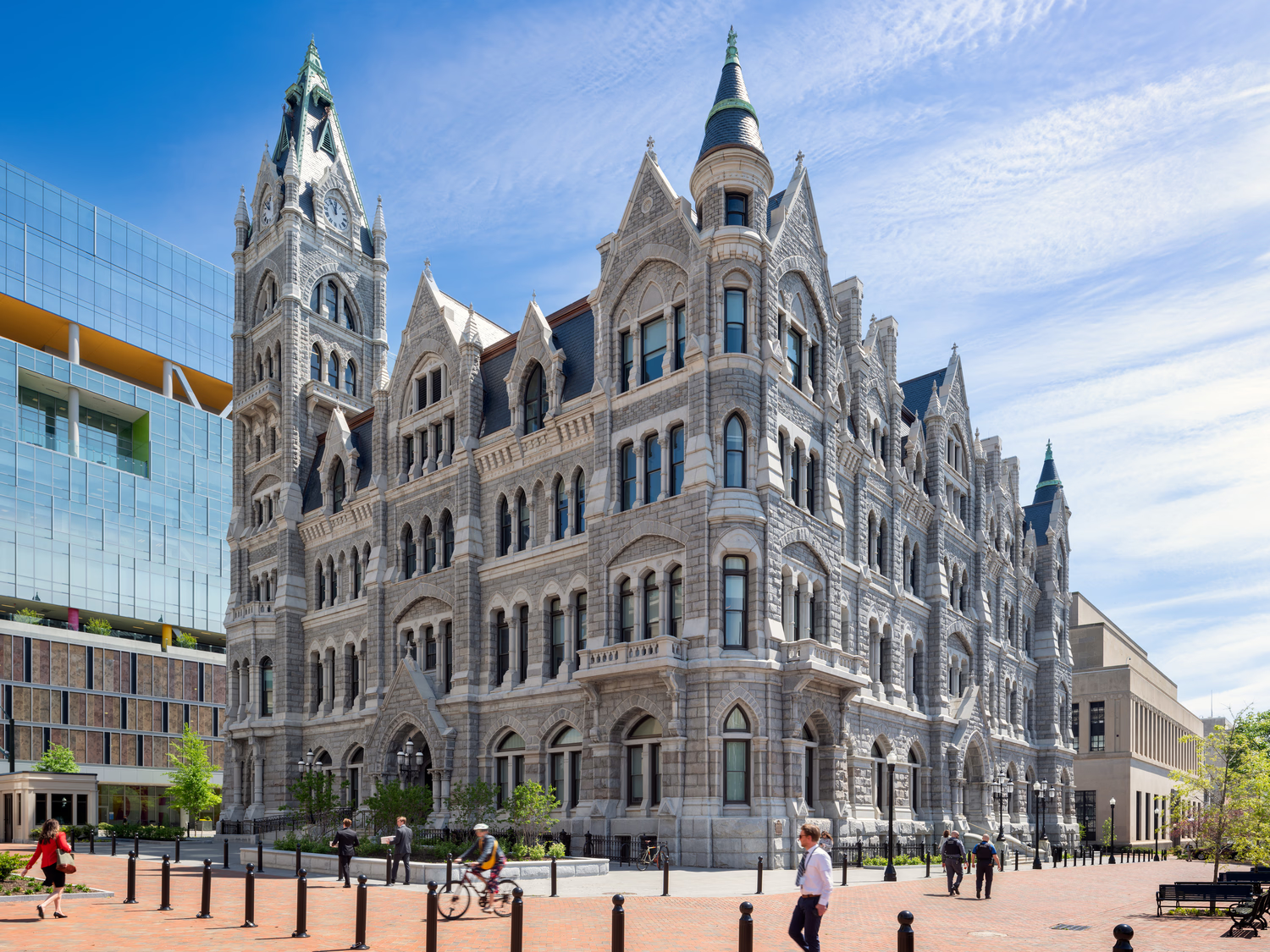
Established in 1984, Quinn Evans is nationally known for large-scale renovation, historic preservation, and adaptive reuse projects, including the transformations of Michigan Central Station in Detroit and Old City Hall in Richmond, Virginia. The firm has completed more than 100 projects for the Smithsonian Institution, including the Sant Ocean Hall and South Entrance at the National Museum of Natural History; the Bird House, Conservation Pavilion, and Seal and Sea Lion Exhibit at the National Zoo; the Gross Stamp Gallery at the National Postal Museum; and the National Native American Veterans Memorial at the National Museum of the American Indian.
More information about Quinn Evans’ work on heritage projects can be found here.