image_compare
Adaptive reuse projects at all scales can contribute to community revitalization. Let us show you how.
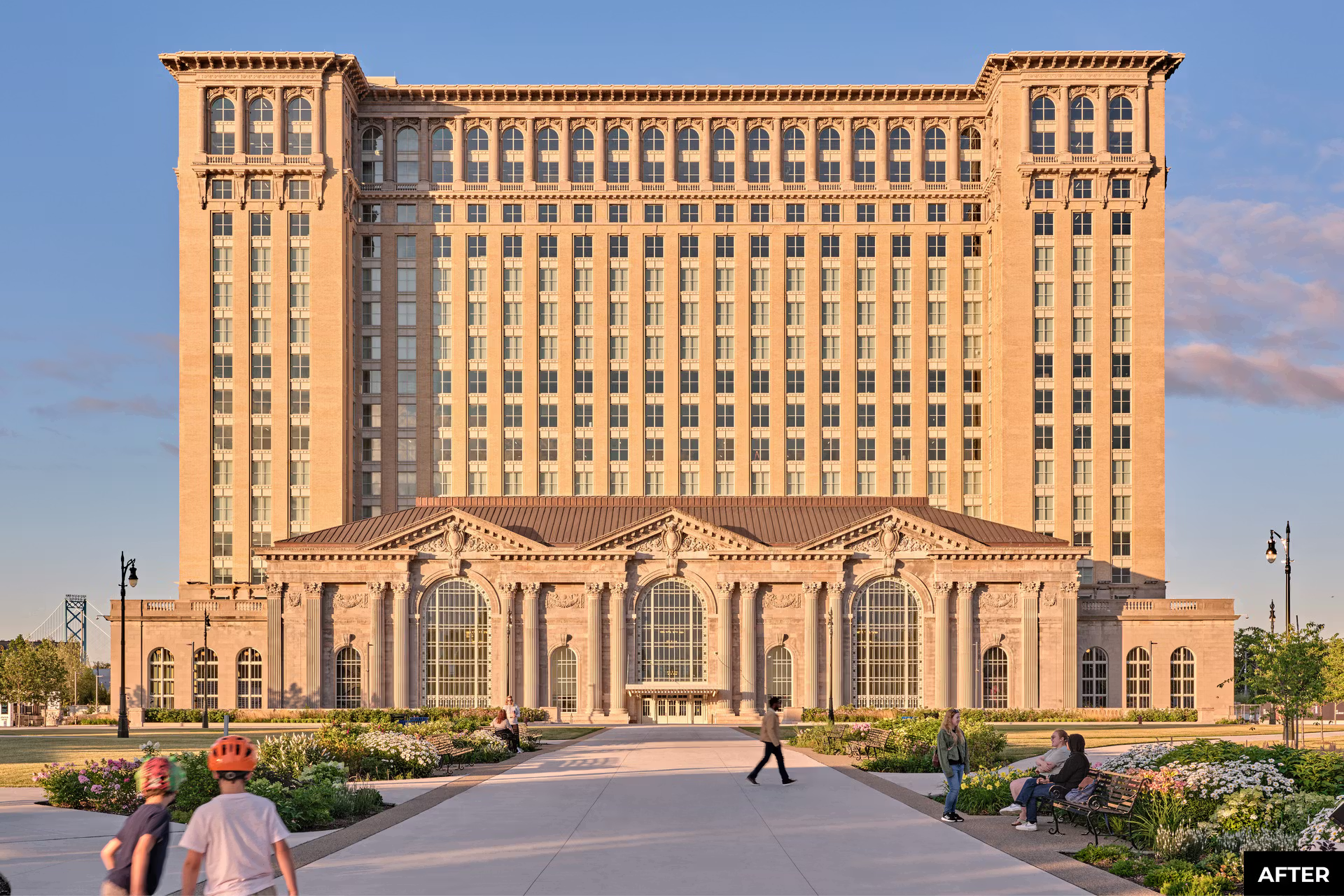
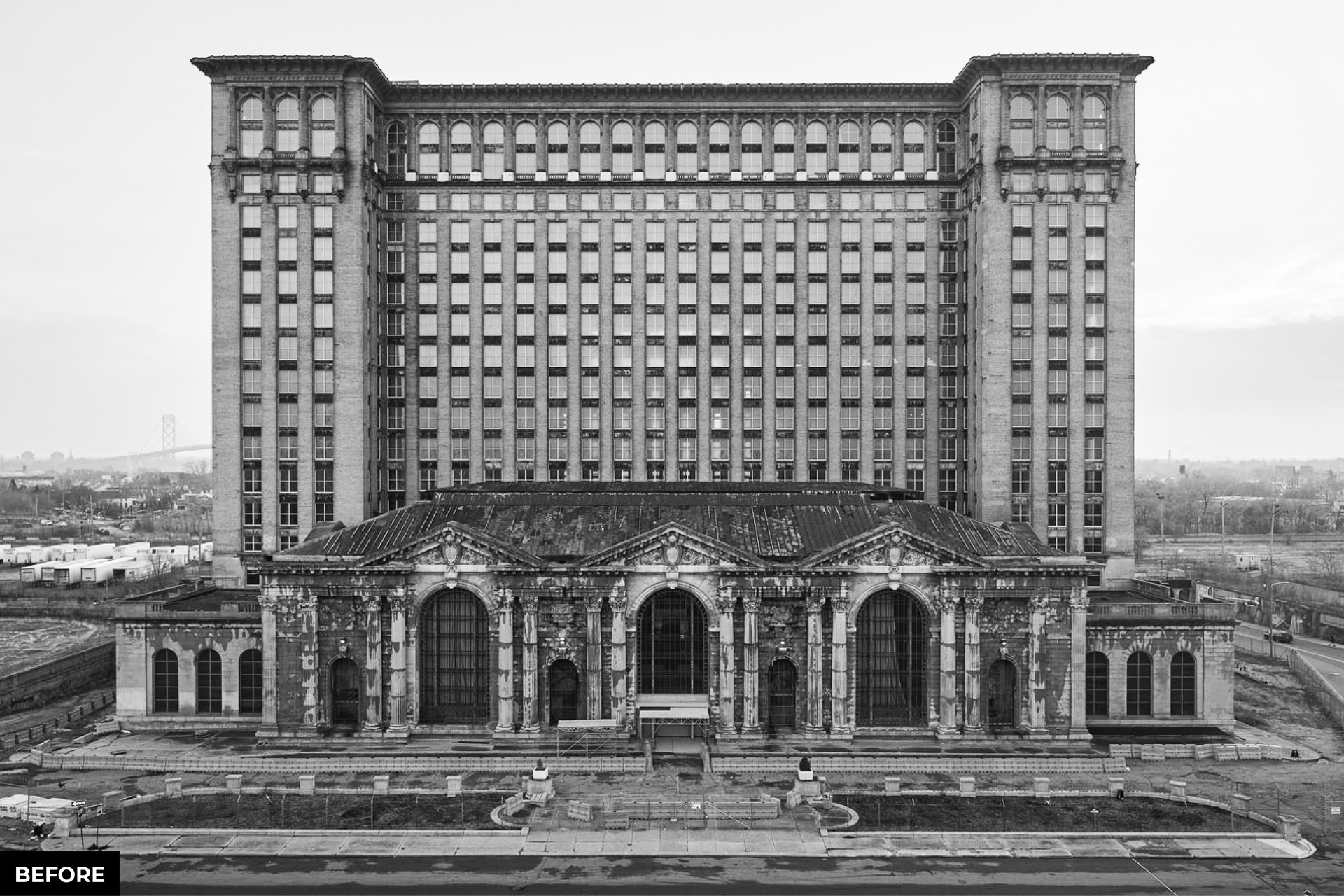
Michigan Central, the innovation campus centered on Detroit’s monumental train station-turned-mixed-use hub, recently released a report documenting the district’s impact on Corktown and Southwest Detroit. The results are impressive: a 20% decrease in unemployment; a 75% increase in household income; and $5.2 billion in cumulative economic impact, which is forecast to rise to more than $3 billion annually by 2028. In a building that stood vacant and decaying for three decades, people are gathering and businesses are thriving—and the project’s success is rippling outward.
We’re proud to have designed Michigan Central Station’s inspiring transformation, and we’re excited to watch the building’s next chapter unfold. However, we also want communities to know they don’t need to undertake a billion-dollar project to realize the benefits of adaptive reuse. In fact, a study commissioned by the National Trust for Historic Preservation found that neighborhoods with a mix of older, smaller buildings tend to be a city’s liveliest and most job-dense.
With creativity and expertise, a shuttered department store, a derelict brewery, or even an obsolete water treatment plant can serve as the foundation for new investment and community growth. In cities large and small, adaptive reuse projects are making positive and ongoing impacts. Here are just a few examples from our portfolio.
image_compare
The Lion Brothers Building
BALTIMORE, MARYLAND
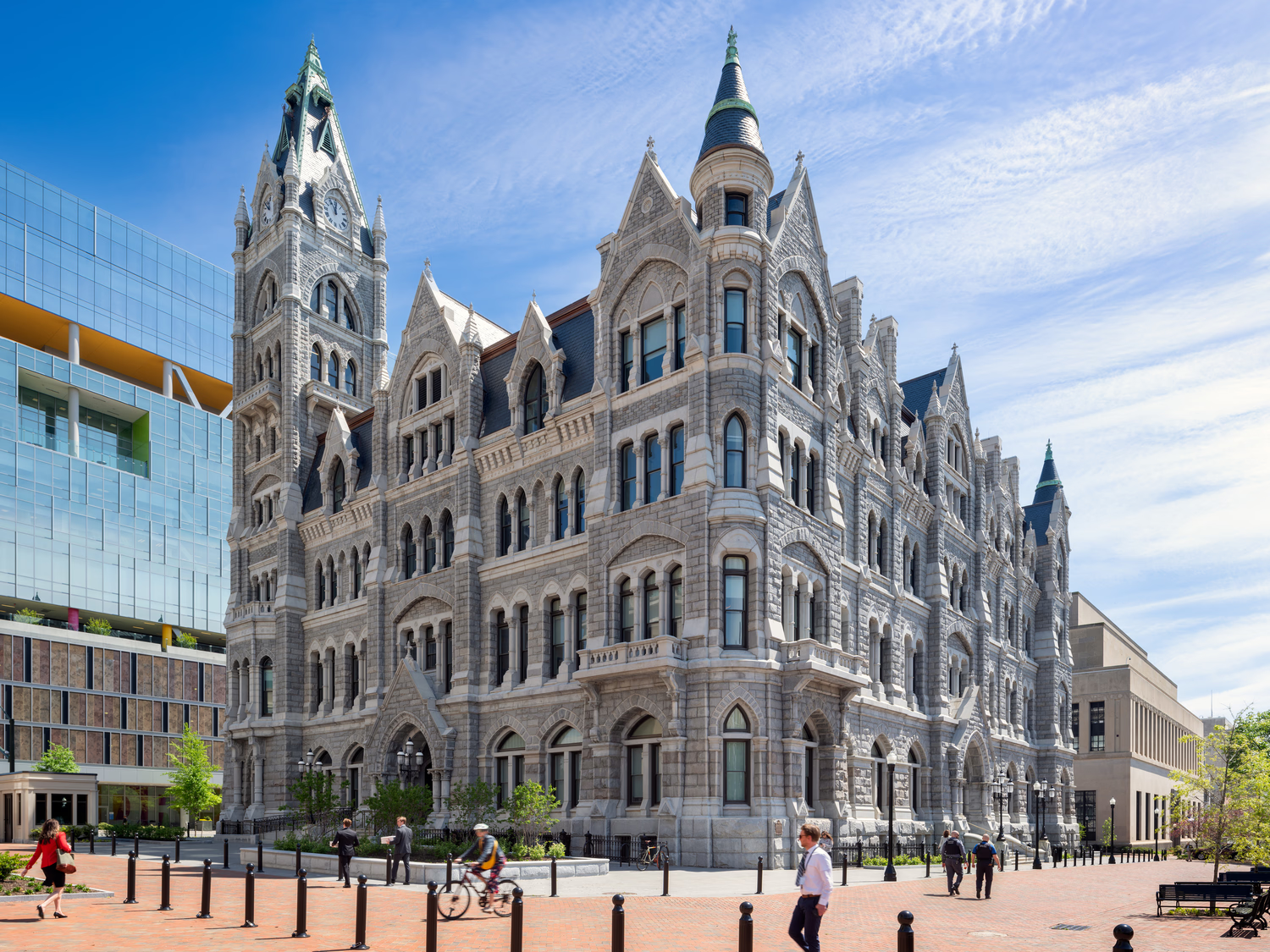
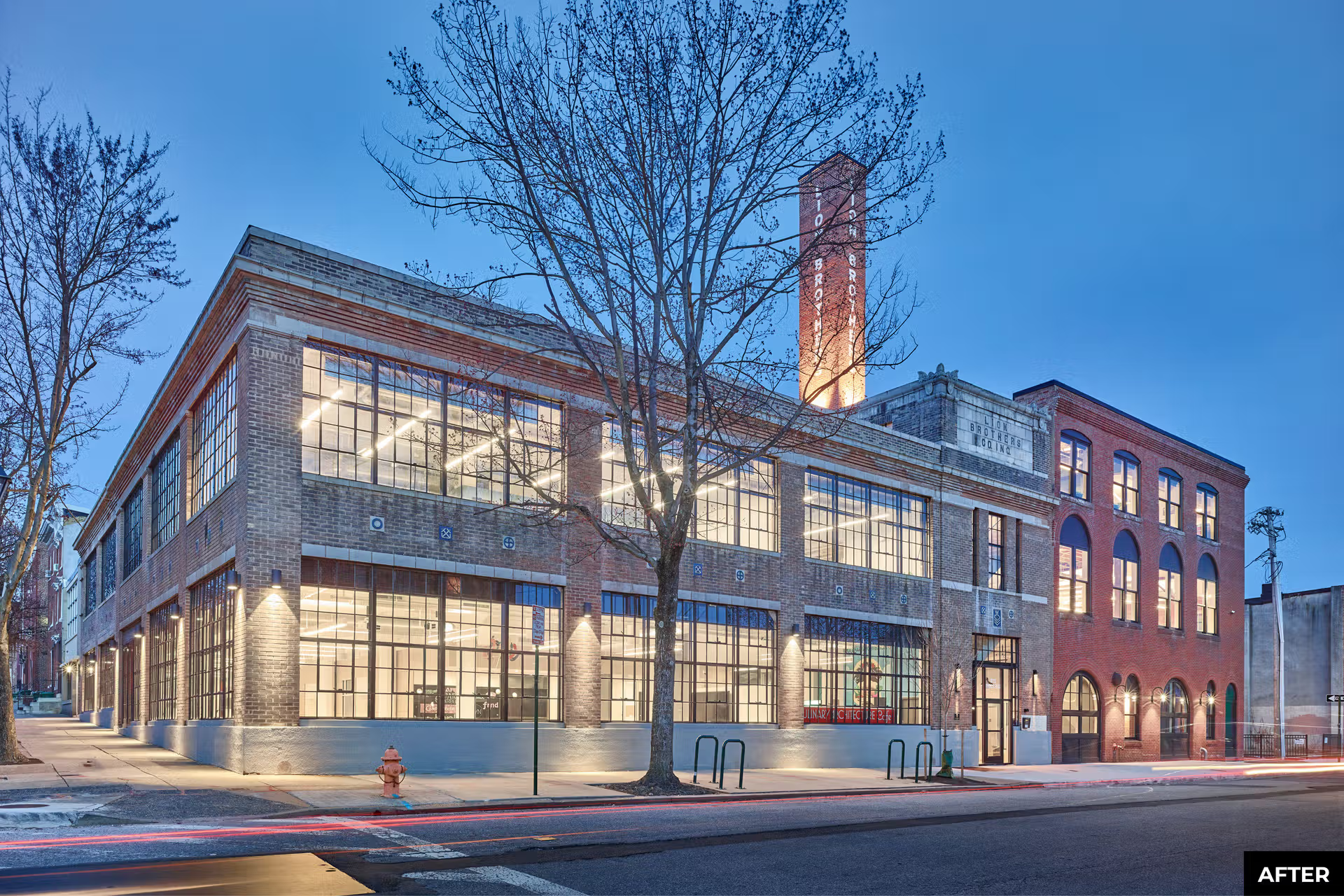
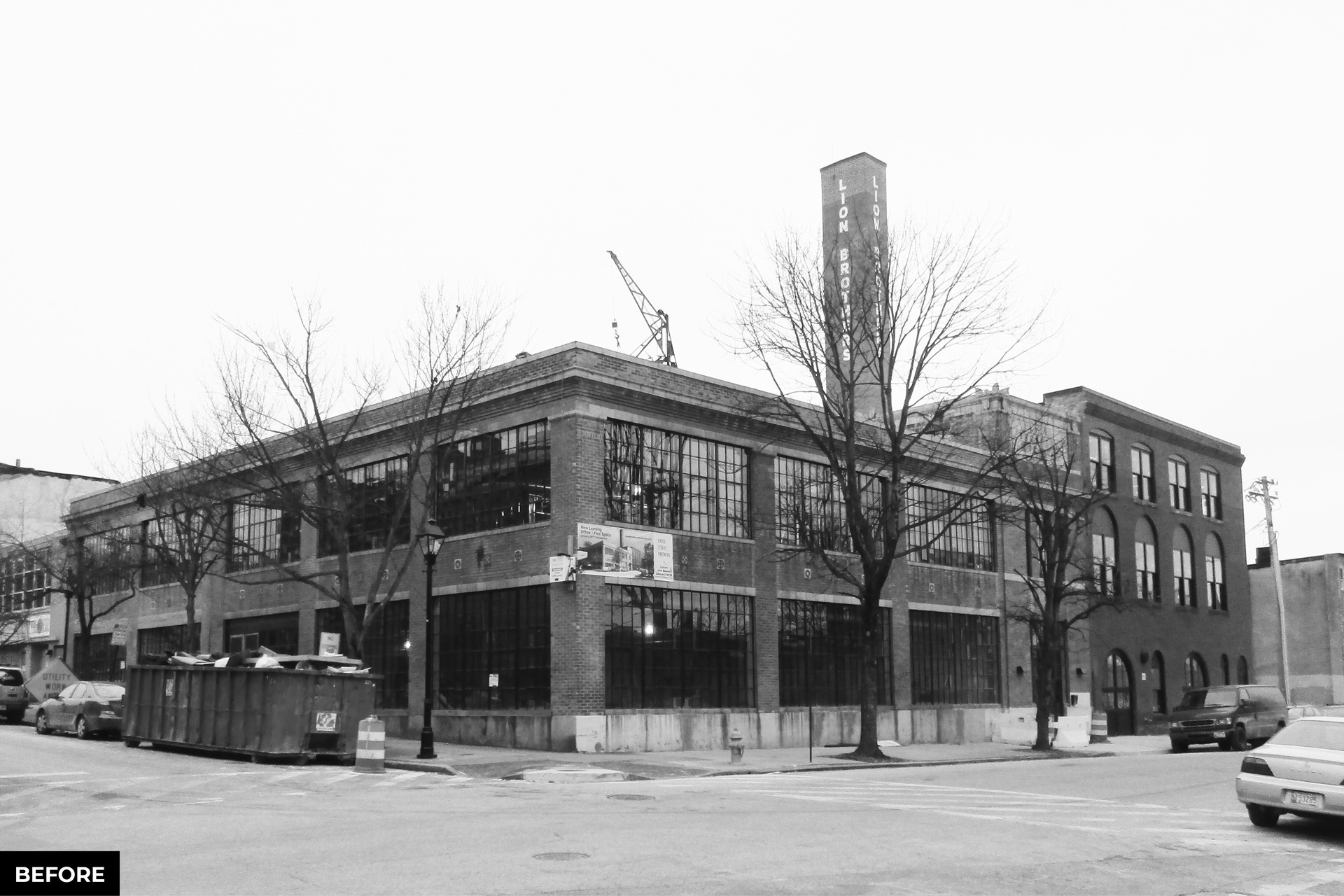
Our transformation of the historic Lion Brothers embroidery factory as part of the University of Maryland BioPark innovation district demonstrates how adaptive reuse can support neighborhood revitalization. Five years after the project's completion, the surrounding area saw its population increase by 14%1 and unemployment fall by 40%2 relative to when we began design. The redevelopment helped extend the BioPark’s economic activity deeper into the Hollins Market neighborhood, bringing more than 200 jobs to a community that had experienced decades of disinvestment. The momentum has continued: in late 2024, the neighborhood’s namesake public market reopened after a restoration.
Beyond the numbers, Lion Brothers highlights one of adaptive reuse's greatest strengths: authenticity. In an era when many new buildings can feel interchangeable, historic structures offer architectural character and connections to local history. Many have already lived multiple lives—for example, the oldest part of the Lion Brothers building was built as a livery stable and later converted to a factory as the neighborhood industrialized.
Adaptive reuse projects attract businesses seeking unconventional work environments, residents looking for character-rich neighborhoods, and customers interested in memorable experiences. In turn, these activities support local businesses and encourage further investment, preserving the qualities that make communities livable while creating new opportunities for growth.
image_compare
Accident Fund Headquarters
LANSING, MICHIGAN
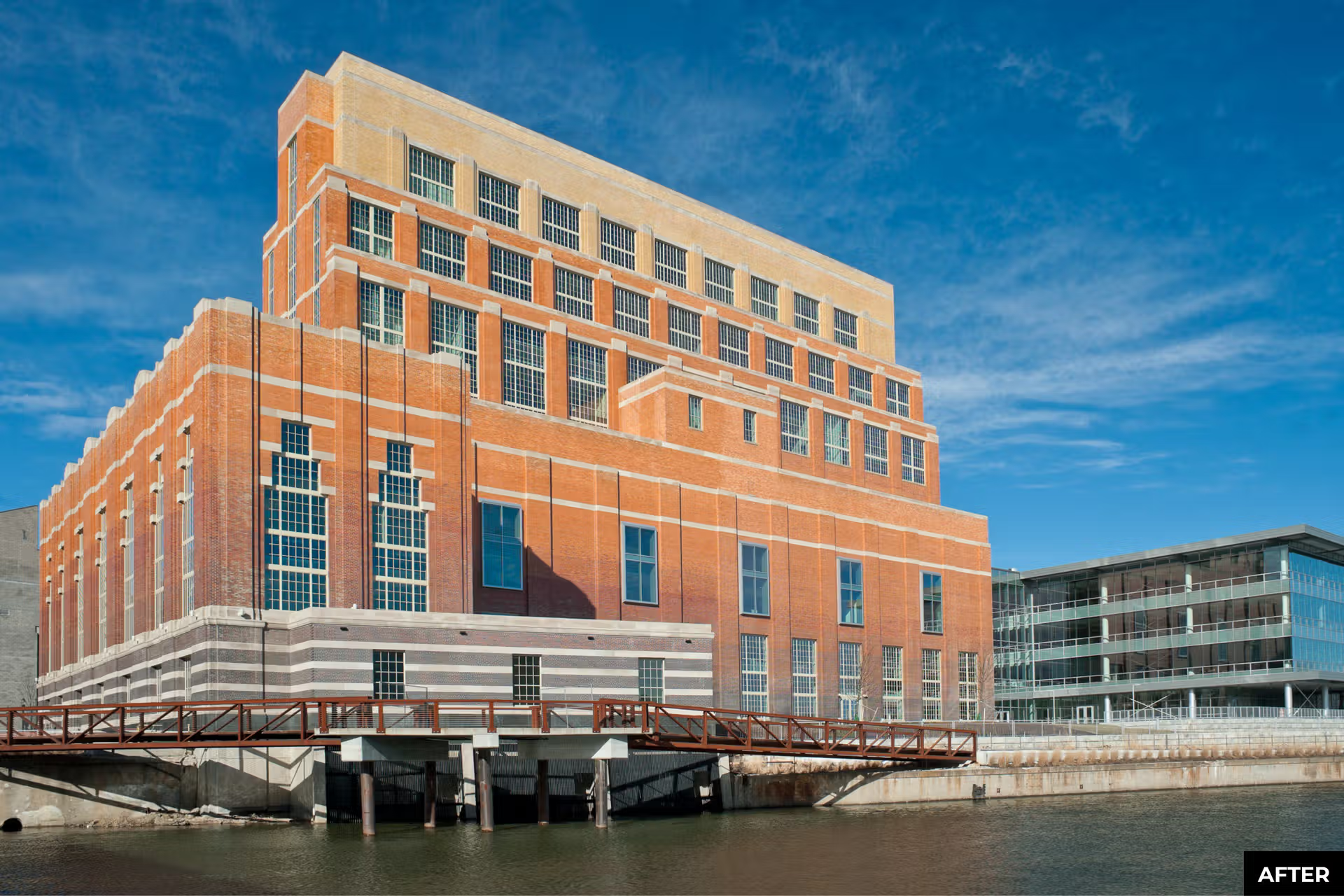
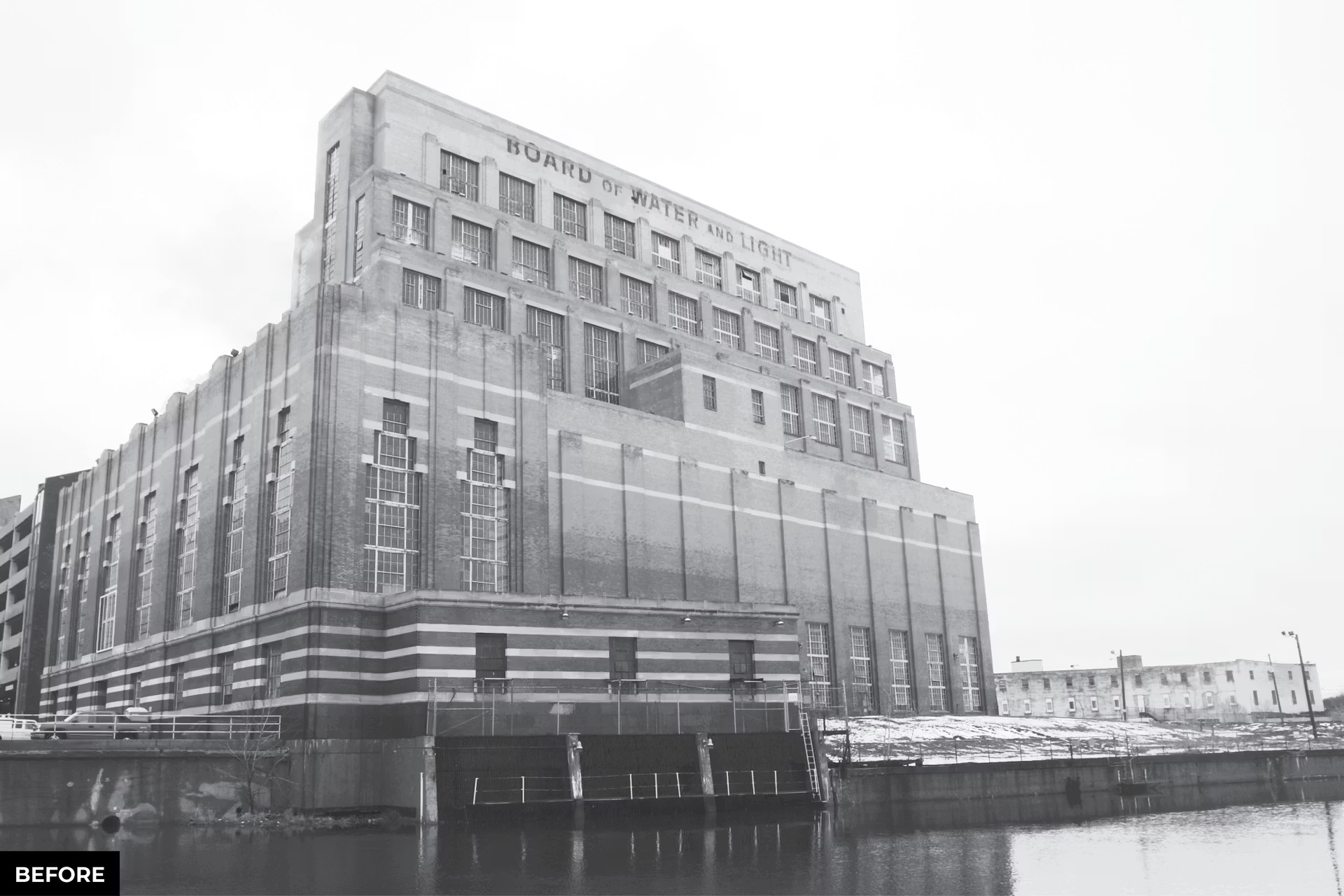
When the former Ottawa Street Power Station was reborn as the headquarters for the Accident Fund Insurance Company of America, it brought approximately 600 employees from suburban offices into downtown Lansing and created 500 new full-time jobs. Five years after the grand opening, unemployment in the surrounding area had decreased by 60%, while household income increased by 44%3—more than double the national rate. Observers have credited the project with helping remake the city's downtown.
The Accident Fund project illustrates another major advantage of adaptive reuse: growing cities from within. As communities seek sustainable ways to grow, adaptive reuse offers an alternative to outward expansion. Rather than building on undeveloped land and extending infrastructure into new areas, adaptive reuse reinvests in places that already contain the foundations of successful communities. This approach helps limit sprawl while supporting vibrant, walkable neighborhoods.
By putting existing buildings and infrastructure back to work, communities can strengthen urban centers while making more efficient use of public resources.
image_compare
Open Works
BALTIMORE, MARYLAND
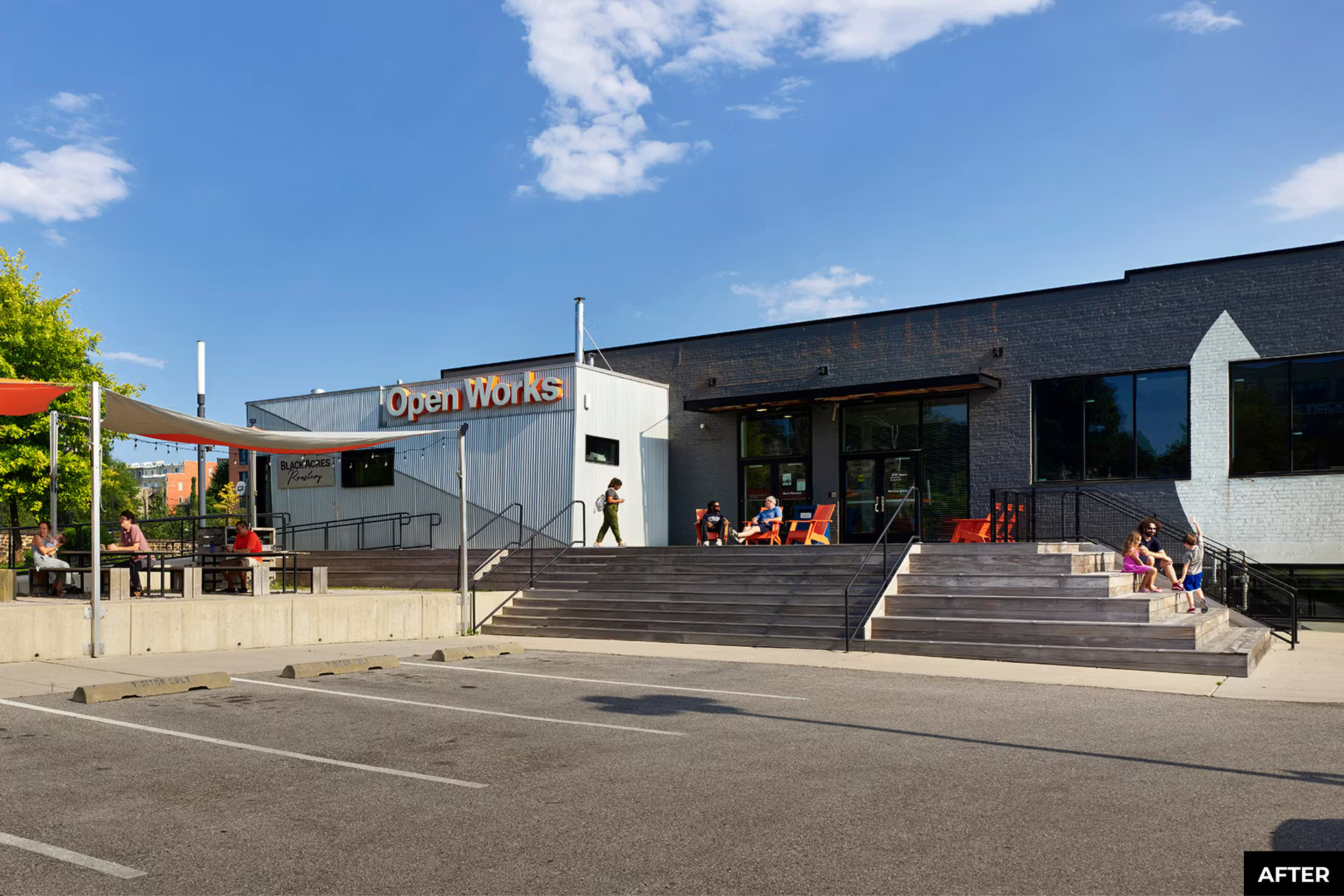
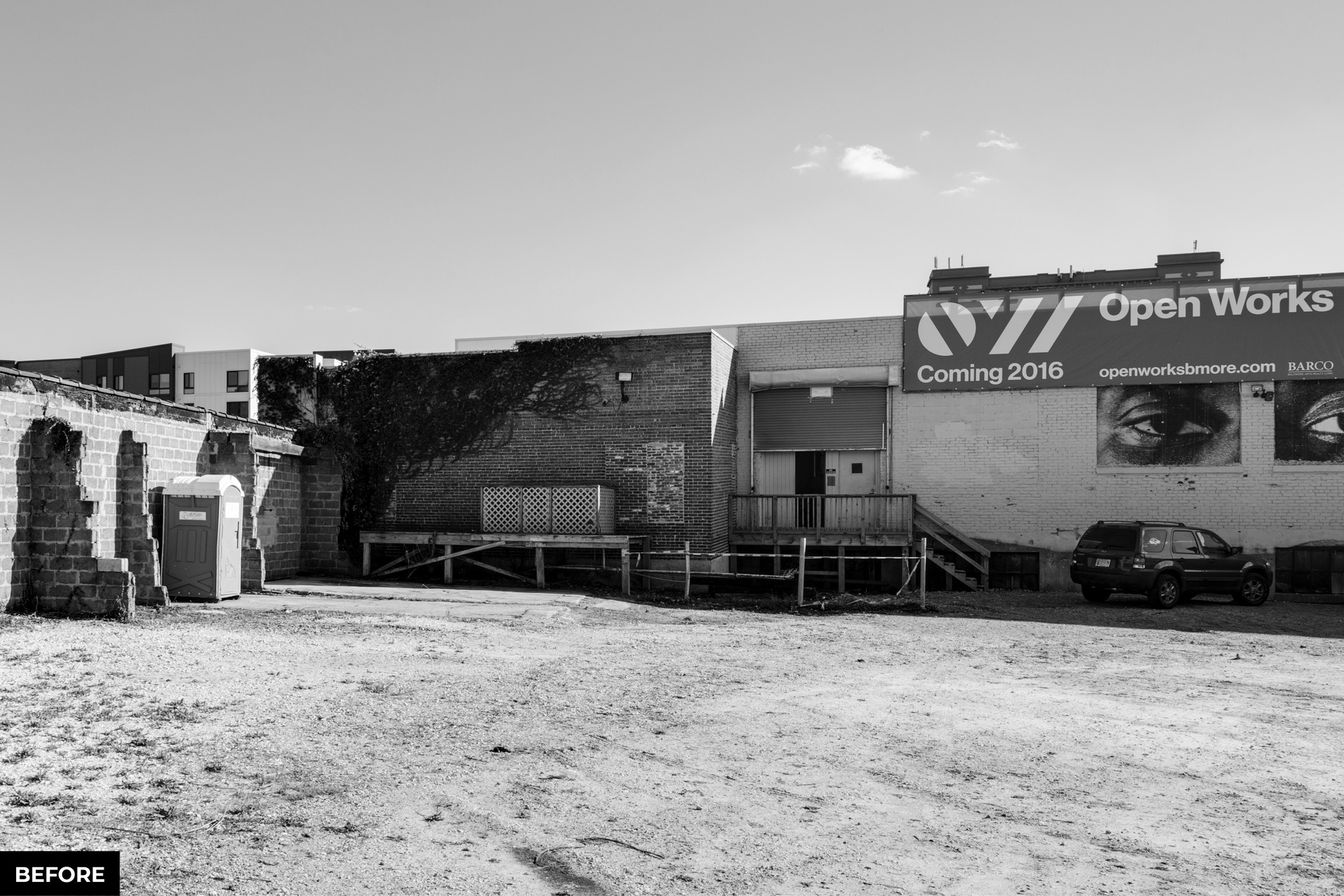
Our design for Open Works transformed a vacant industrial warehouse into one of the nation's largest nonprofit makerspaces, which provides affordable access to tools, education, and entrepreneurial resources. From the beginning of our engagement to five years post-opening, the surrounding neighborhood experienced a 58% reduction in unemployment and a 79% increase in household income.4 An assessment by Coppin State University estimates that Open Works generates $9.9 million in annual economic output; in 2018 alone, the makerspace served 1,283 educational participants, and more than half of its members reported plans to turn their activities into businesses. Up to 115 entrepreneurs and small businesses utilize its microstudio workspaces each year.
Open Works demonstrates how adaptive reuse can help keep construction costs manageable while creating significant community value. In many cases, developers can reduce initial building costs by retaining and repurposing key elements of an existing structure, including foundations, structural systems, and building materials. Research has shown that adaptive reuse can deliver cost advantages compared to demolition and replacement—a finding that aligns with our own experience on renovation and expansion projects such as Allegan District Library, where the historic renovation portion cost significantly less per square foot than the new addition.
image_compare
Element Detroit at the Metropolitan and the Siren Hotel
DETROIT, MICHIGAN
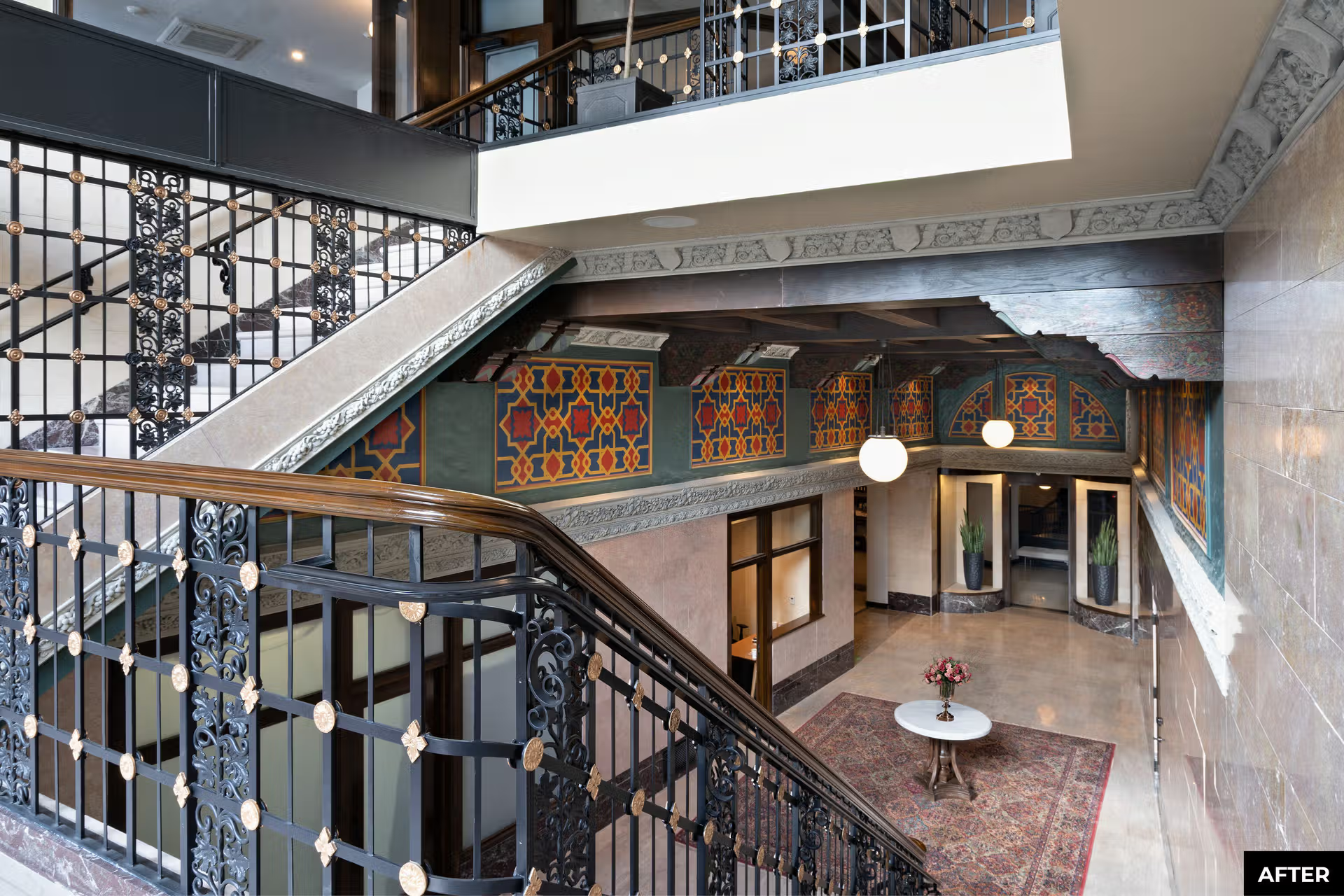
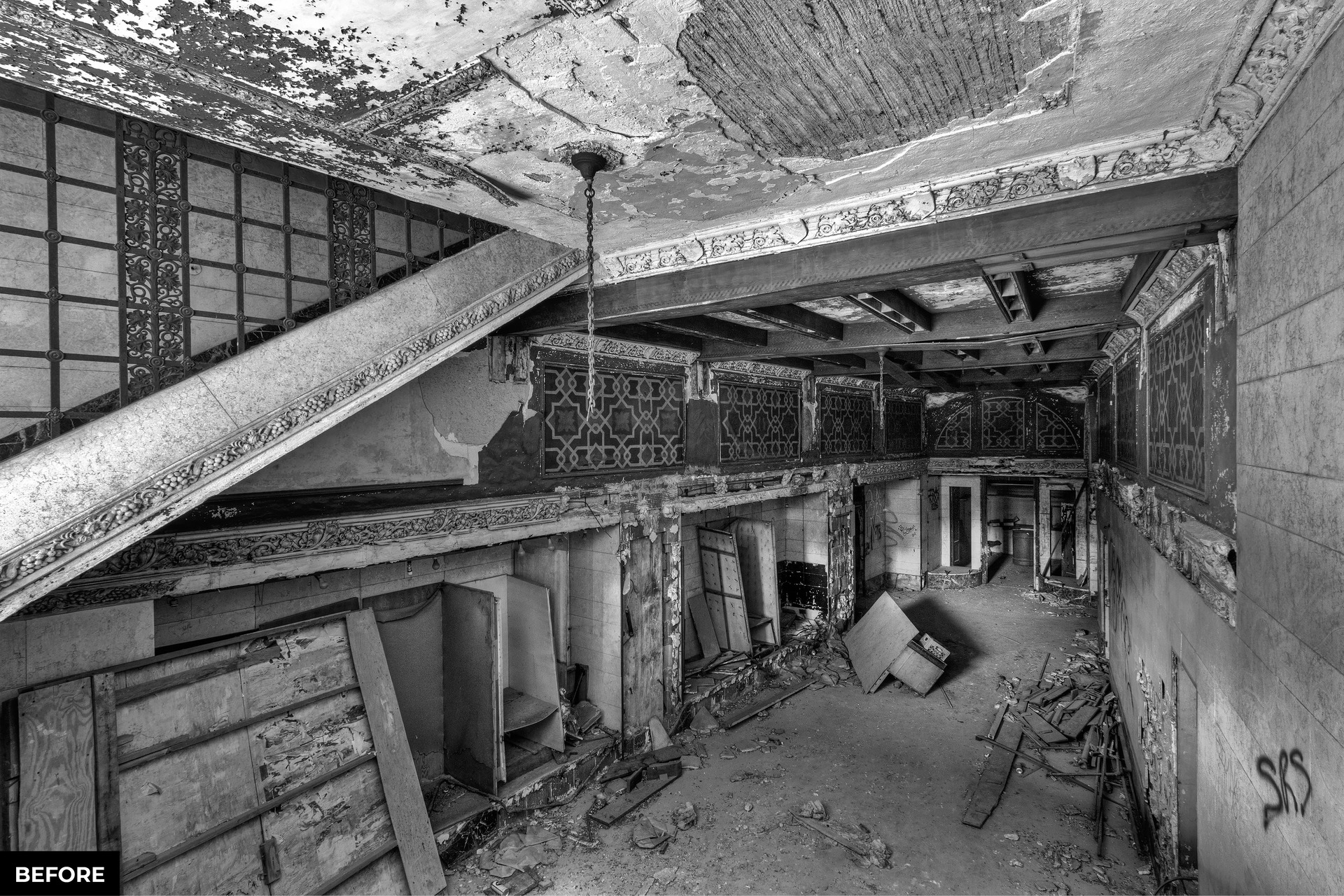
Once two of downtown Detroit's most recognizable vacant landmarks, the adjacent Metropolitan and Wurlitzer Buildings now serve as boutique hotels contributing to the city's ongoing resurgence. Following the buildings’ redevelopment (by different entities; both were completed in 2018), the surrounding area experienced a 14% increase in population,5 a 50% decrease in unemployment,6 and a near doubling of household income.7 Element Detroit alone created more than 50 permanent jobs.
These successes highlight how the economic benefits of adaptive reuse continue long after construction is complete. Every construction project creates jobs and generates spending on building materials, but adaptive reuse projects frequently continue producing value for years—and even decades—after completion.
Revitalized buildings can increase surrounding property values, attract new businesses, stimulate retail activity, and encourage additional private investment in the area, creating momentum and sparking broader economic growth.
image_compare
The Packing House
CAMBRIDGE, MARYLAND
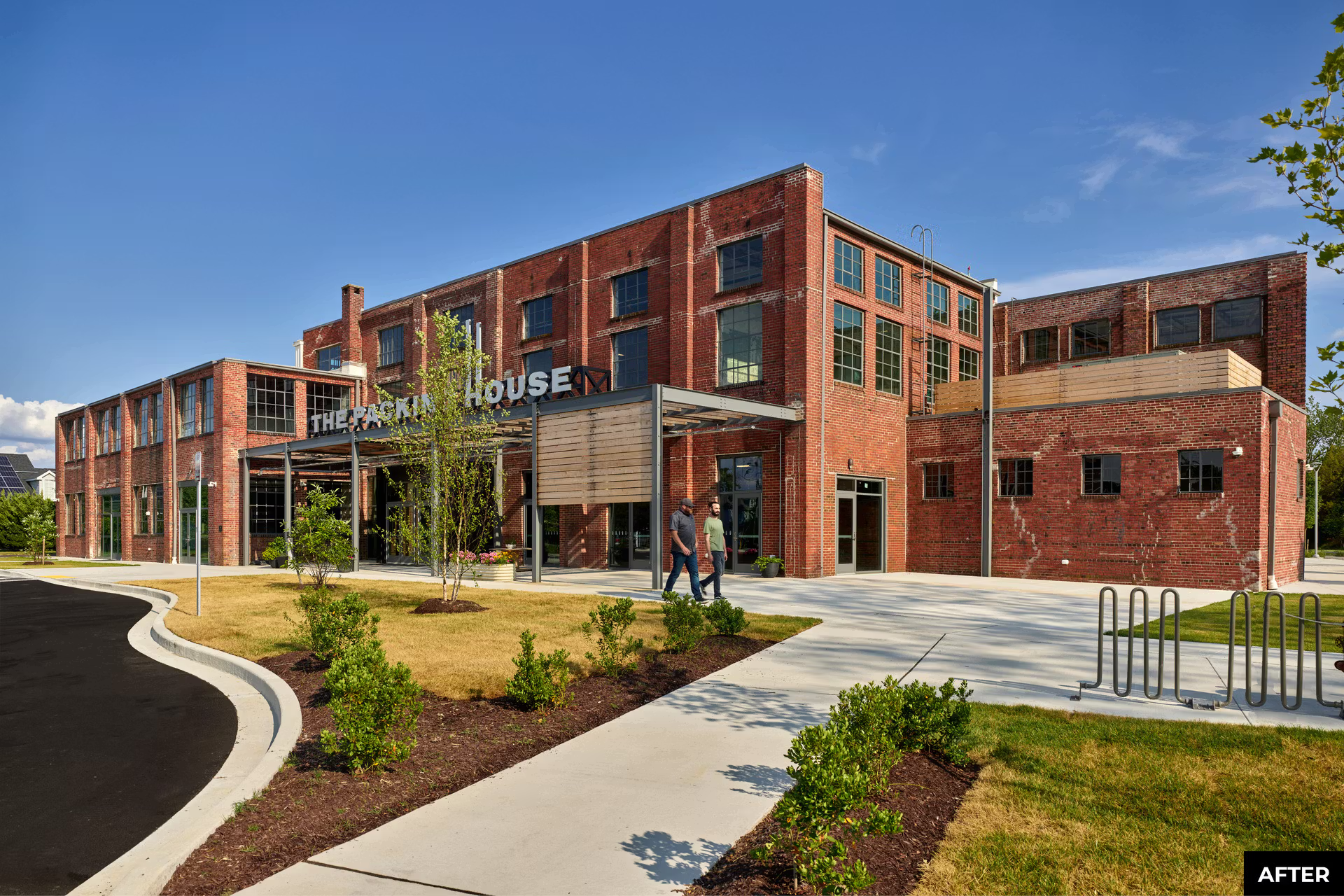
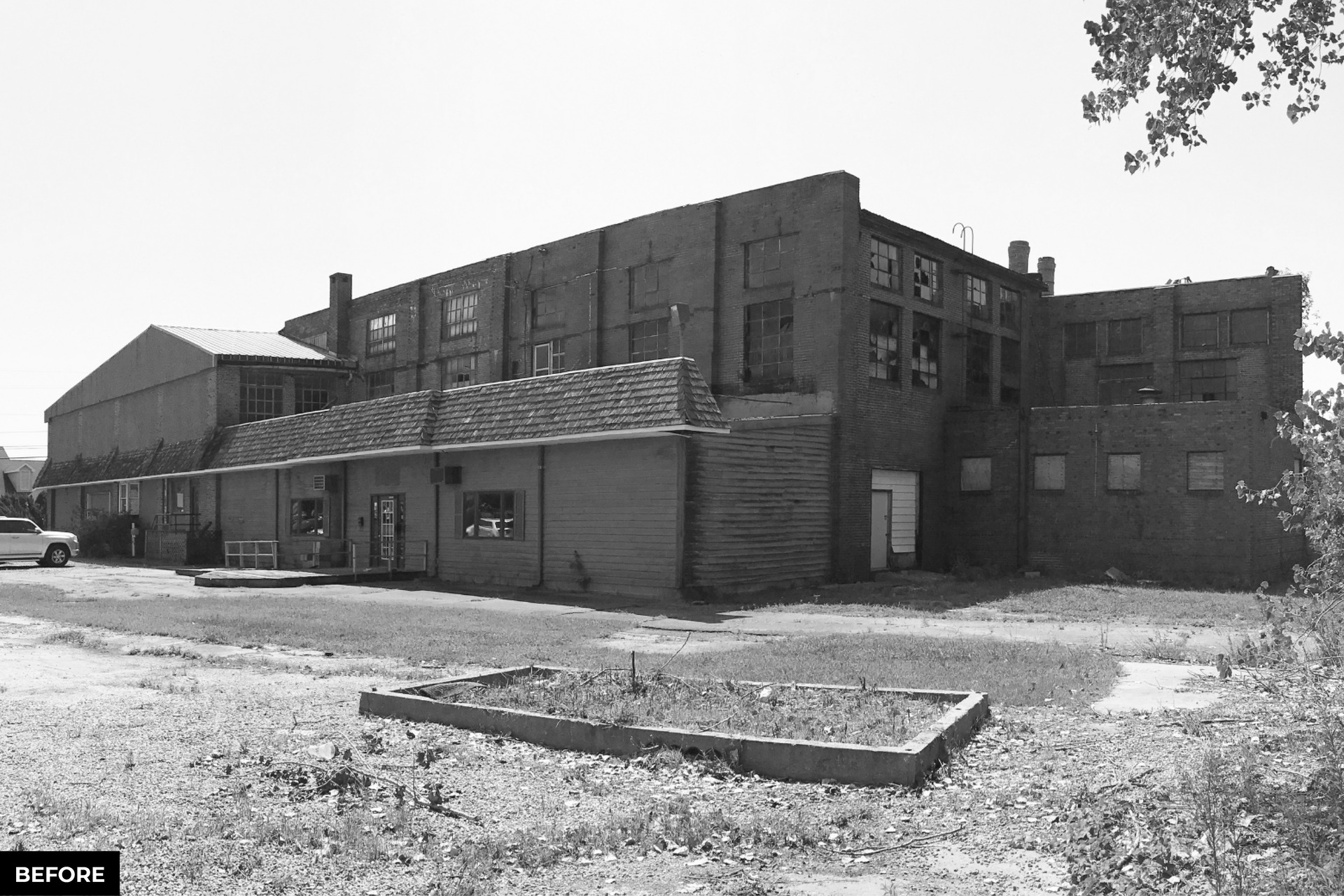
The Packing House, a former tomato canning factory and an important site of memory for the town of Cambridge, Maryland, is now a mixed-use destination housing offices, event spaces, and food production spaces. Since the building’s redevelopment, unemployment in the surrounding area has fallen by 29%.8 The National Trust Community Investment Corporation, which allocated New Markets Tax Credits to the project, reports that the Packing House created 161 permanent jobs, while its shared-use commercial kitchen supports 10 to 20 emerging food businesses and its coworking space provides resources and connections for as many as 50 entrepreneurs each year.
Beyond its economic impacts, the Packing House demonstrates why adaptive reuse is one of the most effective sustainability strategies available to communities. The project preserved 2,541 metric tons of embodied carbon in the building's structure—equivalent to taking 593 gas-powered cars off the road for a year. Combined with operational efficiencies that helped the project achieve LEED Gold certification, the result is a significant reduction in environmental impacts compared to new construction.
Look Around
The scale of Michigan Central Station may be exceptional, but the lessons it teaches are not. Historic buildings often serve as recognizable landmarks that help define neighborhood identity. When these structures are thoughtfully repurposed, they can become anchors for neighborhood revitalization. In countless communities across the country, adaptive reuse projects are helping to strengthen neighborhoods, reduce environmental impacts, and attract new investment.
What the projects featured in this post share is not their size, budget, or building type. They all began with existing assets that many people had overlooked, but through thoughtful reinvestment, each became a catalyst for broader community growth. The value generated by these places cannot be measured solely by the economic data; it can also be seen in thriving streetscapes, increased foot traffic, stronger local businesses, and a renewed sense of community pride.
For communities seeking economic development, adaptive reuse offers a powerful reminder: some of the most valuable opportunities for growth may already be standing right in front of us.
NOTES
1 Data for ZIP code 21201, 2015-2022. US Census Bureau, “ACS Demographic and Housing Estimates,” American Community Survey 5-Year Estimates Data Profiles, Table DP05.
2 Data for ZIP code 21201, 2015-2022. US Census Bureau, “Selected Economic Characteristics,” American Community Survey 5-Year Estimates Data Profiles, Table DP03.
3 Data for ZIP code 48933, 2011-2016. ACS Table DP03.
4 Data for ZIP code 21202, 2013-2011. ACS Table DP03.
5 Data for ZIP code 48226, 2015-2023. ACS Table DP05.
6 Data for ZIP code 48226, 2015-2023. ACS Table DP03.
7 Data for ZIP code 48226, 2015-2023. ACS Table DP03.
8 Data for ZIP code 21613, 2016-2024. ACS Table DP03.